
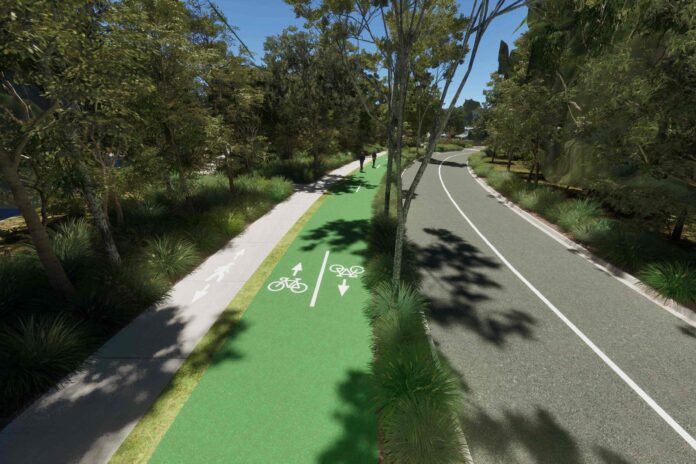
Walking, riding and rolling are set to become a greater focus across the Sunshine Coast under a new long-term transport strategy.
Sunshine Coast Council is expected to endorse its new Active Transport Plan 2026 at this week’s ordinary meeting, outlining a 10-year vision to expand and improve infrastructure for pedestrians, cyclists and people using mobility devices across the region.
The proposed strategy seeks to increase the number of people choosing active transport for everyday trips, while improving safety, accessibility and connectivity between communities, schools, public transport hubs and activity centres.
According to the meeting agenda, the plan aims to create a more connected region where walking, cycling, e-scooters, wheelchairs and other personal mobility devices become practical alternatives to car travel for shorter journeys.
Council documents state the strategy responds to growing population pressures, increasing congestion and community demand for safer and more accessible transport options.
The plan identifies a number of priorities over the next decade, including filling missing links in the active transport network, improving crossings and pathways, increasing shade and end-of-trip facilities, and delivering safer routes near schools and key destinations.
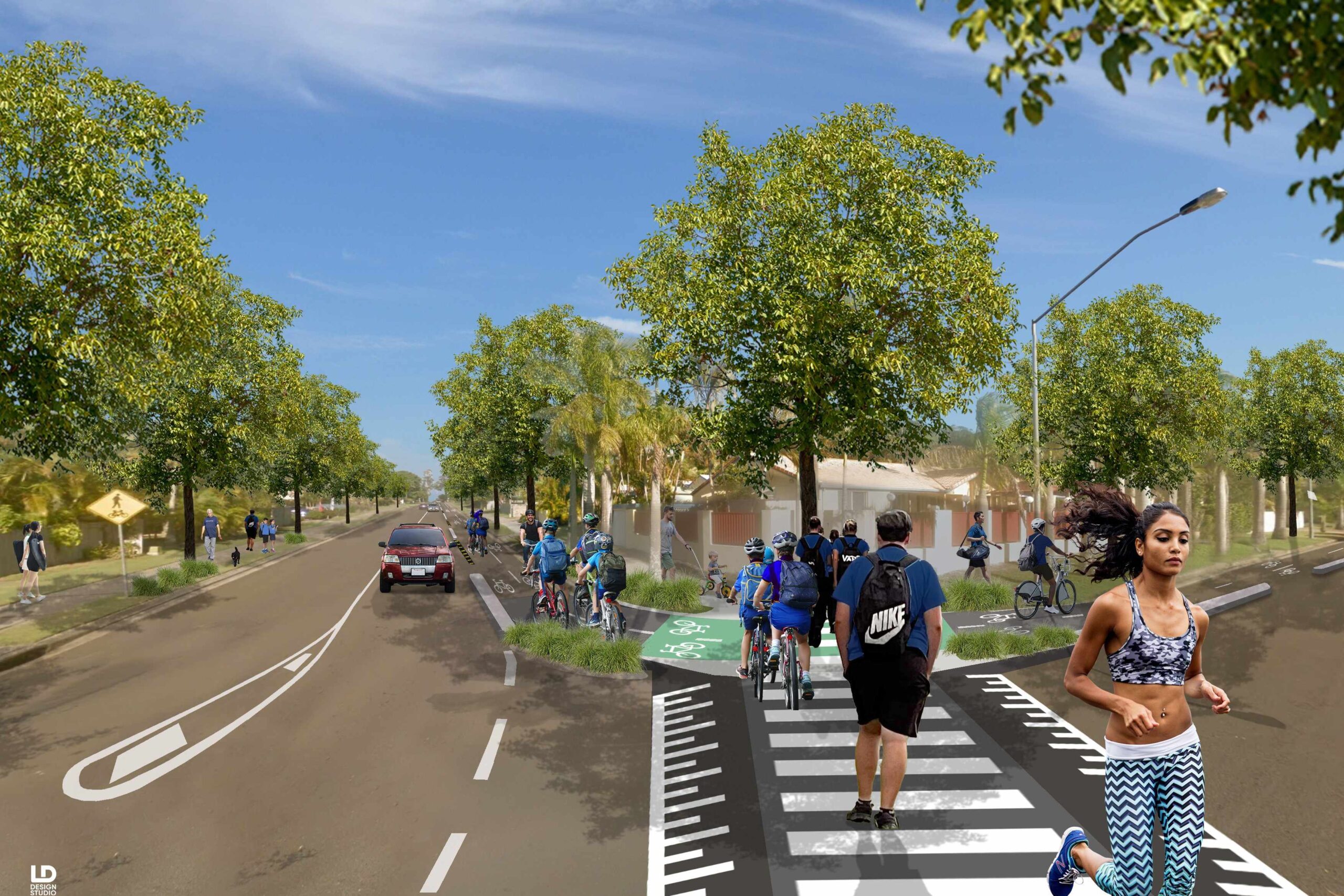
It also places a stronger emphasis on designing infrastructure suitable for a broader range of users, including older residents, children and people with disabilities.
The strategy supports council’s broader goals around reducing emissions, encouraging healthier lifestyles and improving public spaces.
Do you have an opinion to share? Submit a Letter to the Editor at Sunshine Coast News via news@sunshinecoastnews.com.au. You must include your name and suburb.
Council officers noted active transport infrastructure could also help ease pressure on the road network as the Sunshine Coast population continues to grow.
The plan builds on existing projects already underway across the region, including shared pathways, coastal bikeways and upgrades to pedestrian connections in major centres.
If endorsed, the plan will guide future planning, funding applications and infrastructure delivery priorities over the next 10 years.
While the strategy does not lock in specific projects or construction timelines, council documents indicate it will help prioritise future investment and support applications for state and federal funding opportunities.