

The Sunshine Coast’s peak business body has questioned whether the federal budget will deliver real and lasting benefits for the region.
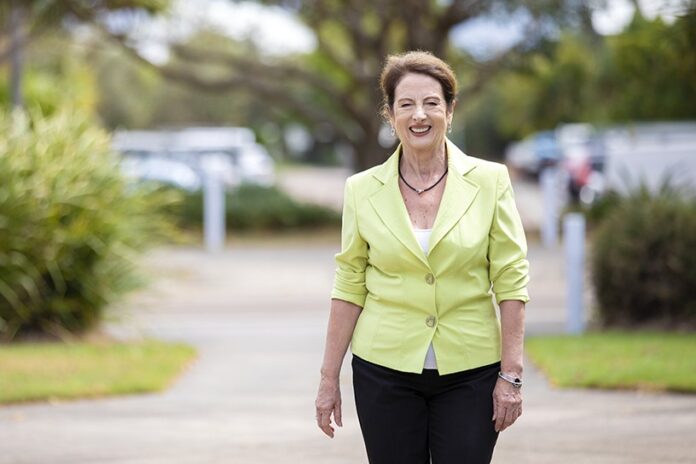
Sunshine Coast Business Council Chair Sandy Zubrinich said there were some positive measures announced by Treasurer Jim Chalmers last week, but she also held some concerns.
“The real test will be whether it (the budget) can genuinely restore living standards, lift productivity and rebuild long-term economic confidence,” she said.
“The treasurer has framed this as a budget centred on intergenerational fairness and equity, however it remains unclear whether the measures announced will materially improve living standards, increase housing supply or create genuine pathways for younger Australians to enter the housing market.”
She said households and businesses were still under pressure from inflation, interest rates, and rising costs across energy, insurance, wages and compliance, alongside workforce shortages and record insolvencies.
“The budget does include measures the business community will welcome. Making the $20,000 instant asset write-off permanent provides greater certainty for small business investment decisions.
“The reintroduction of the loss carry-back offset and refundable tax offsets for eligible start-ups are also positive steps, alongside expanded venture capital tax incentives aimed at supporting innovation and growth businesses.
“However, proposed changes to negative gearing, capital gains tax concessions and discretionary trusts risk undermining investment confidence at a time when Australia desperately needs more housing supply and private sector investment.
“Many small business owners, mums and dads, and self-funded retirees rely on property investment as part of their long-term financial security, and these changes will directly impact those Australians.”
She said infrastructure strain was building across the region and wider Queensland.
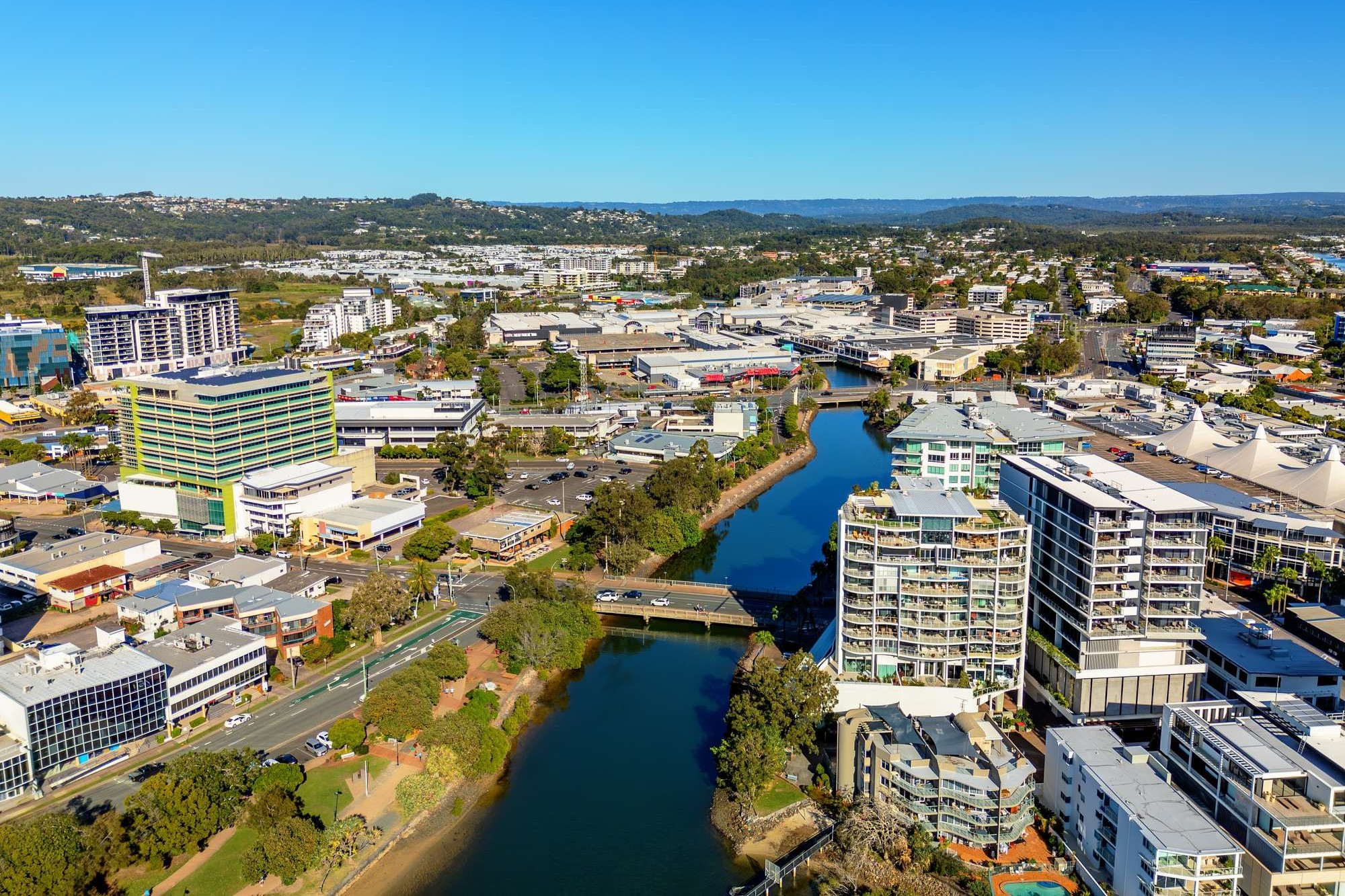
“For the Sunshine Coast, rapid population growth continues to intensify pressure on critical infrastructure.
“Funding commitments for upgrades to Steve Irwin Way, Glass House Mountains Road and sections of the Bruce Highway are welcome, particularly the $812.5 million allocation toward Bruce Highway upgrades.
“However, for a region where tourism remains a major employer and economic contributor, there appears to be little targeted investment to support aviation connectivity, visitor infrastructure or broader tourism resilience.
“The budget also missed an opportunity to provide clearer long-term infrastructure certainty for rapidly growing Olympic regions such as the Sunshine Coast ahead of Brisbane 2032, particularly as the region prepares for increased population growth, visitation and economic activity in the lead up to the Games.”
Do you have an opinion to share? Submit a Letter to the Editor at Sunshine Coast News via news@sunshinecoastnews.com.au. You must include your name and suburb.
Ms Zubrinich said the business council welcomed the government’s commitment of $59.4 million, over four years, to help states and territories supplement rental income for community housing providers supporting vulnerable young people.
Queensland is also set to receive $372.3 million in 2026-27 under the broader $1.9 billion National Agreement on Housing and Homelessness, which she said is “a positive step at a time when housing affordability and availability remain under significant pressure across the region”.
She said lasting economic gains would depend on productivity reform and investment confidence.
“Australia cannot tax or spend its way to stronger economic performance without meaningful productivity reform and policies that encourage private sector investment.
“Ultimately, business will judge this budget not on headlines, but on whether it delivers meaningful economic reform, restores confidence, improves productivity and creates the conditions needed for long-term private sector investment and sustainable growth.”



