
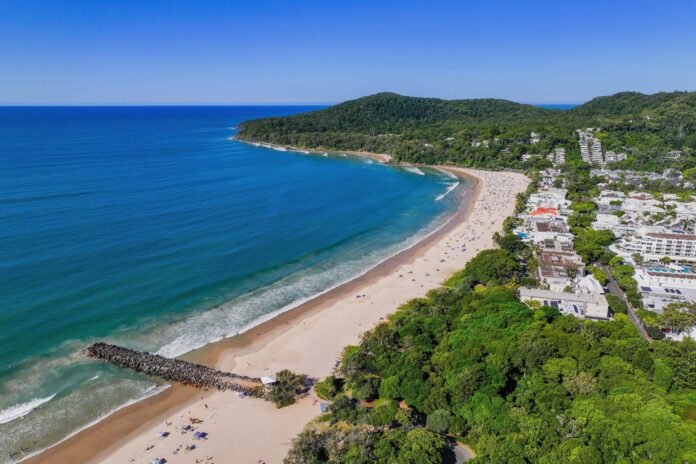
Shark surveillance drones have recorded widespread activity and multiple evacuations on the Sunshine Coast in a 12-month period, with one holiday haven notching more than 200 sightings.
Department of Primary Industries data has revealed how SharkSmart machines have kept watch over the region, and there are plans to further their reach at one particularly popular location.
The drone program, run by the state government in collaboration with Surf Life Saving Queensland, is now utilised at 26 beaches across the state.
From July 2025 to June 2026, there were 4327 flights along Sunshine Coast beaches, and 29 of those included shark sighting events.
There were 278 sharks spotted, nine of which were longer than 2m. On 11 occasions, beachgoers were urged to get out of the water.
There were 1065 flights in popular holiday area Noosa (Noosa West and Noosa Heads), including the video below, with 212 sharks spotted including three longer than 2m, and two evacuations.
There were 1277 flights in the Coolum area (Coolum North and Coolum Beach) with 50 sharks spotted including four longer than 2m, and two evacuations.
There were 1299 flights in the Alexandra Headland area (Maroochydore, Alexandra Headland, Mooloolaba and Mooloolaba Spit) with nine sharks spotted including one longer than 2m, and three evacuations.
There were 686 flights in the Kings Beach area (Kings Beach, Happy Valley) with seven sharks spotted including one longer than 2m, and one evacuation.
Want more free local news? Follow Sunshine Coast News on Facebook, LinkedIn and Instagram, and sign up for our FREE daily news email.
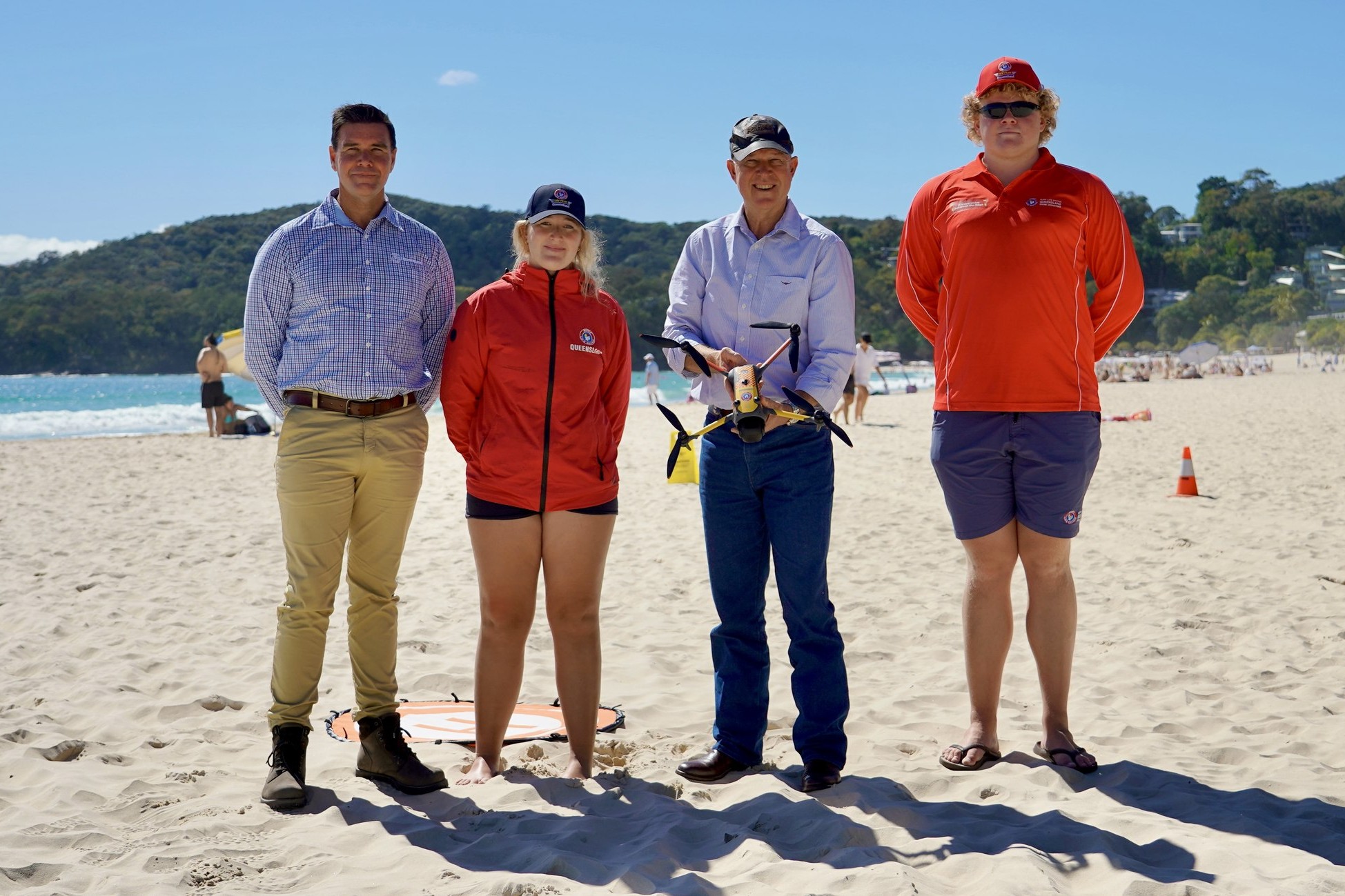
Statewide, there 1822 sharks seen, including 246 potentially dangerous sharks, and there were 41 temporary beach closures.
Hours of operation vary depending on weather conditions, but drones usually fly on the mornings of weekends, public holidays and Queensland school holidays. Each flight lasts about 30 minutes.
The SharkSmart Drone Program is part of the state government’s Shark Control Program.
The program and SLSQ are trialling extended visual line of sight operations and will soon test beyond visual line of sight operations at international tourist hotspot Noosa in an effort to increase time, distance and area drone technology can monitor.

Minister for Primary Industries Tony Perrett said drones reduced the risk of shark attacks and kept swimmers safer.
“We are delivering on our commitment to improve safety for beachgoers, to return the Shark Control Program to its original intent and deploy the latest technology including non-lethal methods,” he said.
“The continued use and expansion of SharkSmart drones provides extra visibility and rescue capacity across our beaches and collects important data on marine life behaviour.”
It comes after a community group called for shark-spotting drones to patrol beaches every day.
Oceans for All Noosa urged the state government to expand its SharkSmart program beyond weekends and holidays, to better protect beachgoers.
Related stories: Shark alerts to reach smart watches, Council rejects shark link to sand pumping, Group pushes for more shark drone patrols, Multimillion-dollar shark study to guide beach safety, Rare shark sparks beach mystery and Escape from great white amid history of Coast shark attacks.