
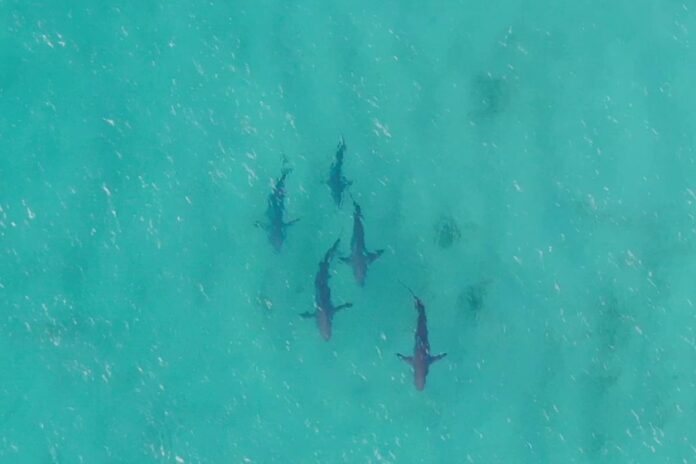
A community group is calling for shark-spotting drones to patrol beaches every day.
Oceans for All Noosa has urged the state government to expand its SharkSmart drone program beyond weekends and holidays, to better protect beachgoers.
The group says it has written to the Minister for Primary Industries Tony Perrett, requesting changes.
A Department of Primary Industries (DPI) spokesperson told Sunshine Coast News that the drone program was a “priority” of the state government’s Shark Management Plan – the machines would be introduced at more beaches and would become “a permanent fixture” of the state’s Shark Control Program.
An Oceans For All Noosa spokesperson said a Queensland SharkSmart Drone Trial (2020-2024), held at several locations including the Sunshine Coast, showed they were valuable tools.
“The primary consideration in any shark control program is the protection of human life,” they said.
“The drone trial has proven this can be done in places, where conditions allow, more effectively than traditional shark control measures, and has the added features of providing protection to swimmers and marine life.”
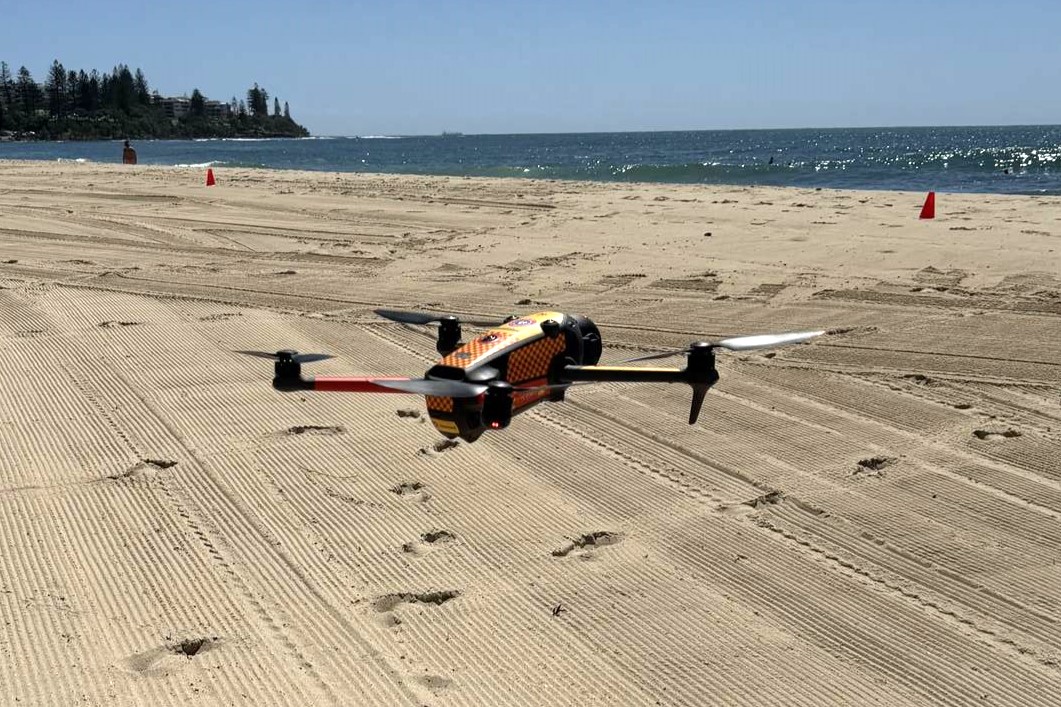
An official report on the trial also stated that drones were beneficial.
“In addition to providing a platform to sight sharks and warn the public of the presence of potentially dangerous sharks, drones offered an added safety benefit of being able to identify other marine safety issues and assist with rescue operations.”
“The ability to detect and track sharks at beaches, when people were in the water, provided a safety benefit because the pilots were able to monitor these sharks in real time, so they could warn water users and close the beach if a shark posed a risk to safety.”
Do you have an opinion to share? Submit a Letter to the Editor at Sunshine Coast News via news@sunshinecoastnews.com.au. You must include your name and suburb.
Sharks were sighted on 676 occasions from 17,954 flights during the trial. There were 39 occasions where Surf Life Saving Queensland evacuated people from the water due to potential risks from large sharks sighted through the drone.
The drone program is now operational at a selection of Sunshine Coast locations including Alexandra Headland, Coolum North, Noosa Main Beach, along with Kings Beach and Happy Valley.
A DPI spokesperson said drones would become more prominent along the coastline but did not say when or how often they would be in use.
“The Department of Primary Industries’ SharkSmart drone program is a priority initiative of the Queensland Government’s Shark Management Plan 2025–2029.”
“Under the plan, shark-spotting drones will be rolled out to more beaches, becoming a permanent fixture of Shark Control Program operations, complementing traditional measures like nets and drumlines.”
Oceans for All Noosa stated that the deployment of drones was impacted by the approval process and limitations from the federal Civilian Aviation Safety Authority.
CASA told SCN that it “supports the safe and effective use of drones for public-safety purposes, including shark spotting operations”.
“Our regulations permit drones to be used widely, while ensuring risks to aviation safety are appropriately managed. We work closely with government agencies, to facilitate safe and efficient approvals for their use of drones when required.”
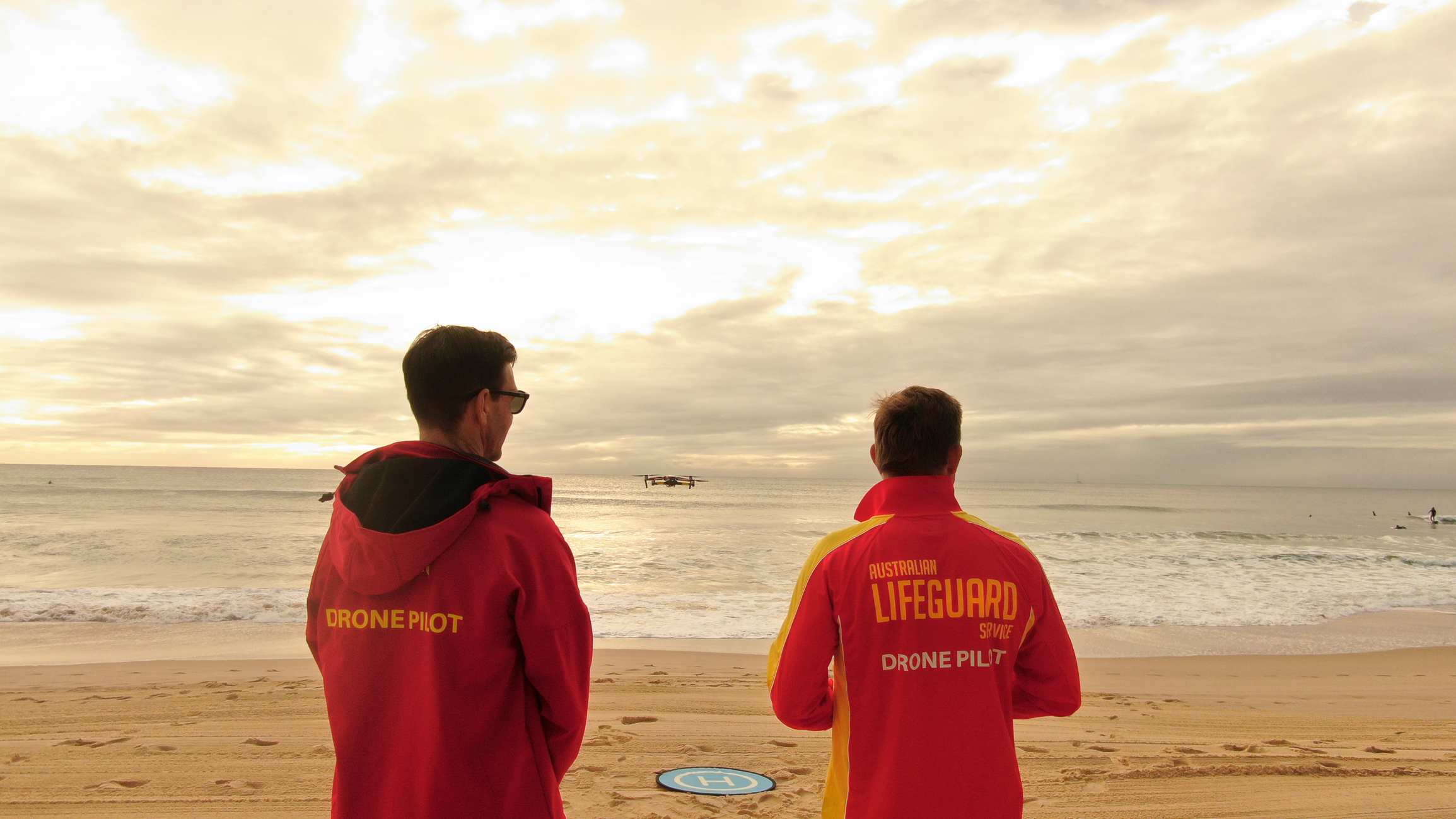
The DPI spokesperson said drones were expertly used.
“Drone pilots hold a Remote Pilot Licence and follow Civil Aviation Safety Authority (CASA) requirements.”
“The program works closely with CASA to ensure drone equipment is operating safely and effectively at beaches.
“In 2025, the drone program obtained the required CASA and council permissions to operate in restricted air space in the southern Gold Coast region. This is a significant achievement for the program which was previously excluded from operating at beaches in these areas.”
“There have been no delays to the drone program’s expansion.”
Drone use approvals are required and depend on the nature and scale of the operation. All applications from operators are assessed on a case-by-case basis with aviation safety as the primary consideration.
New locations for shark-spotting drones are yet to be confirmed.
Related story: Multimillion-dollar shark study to guide beach safety