
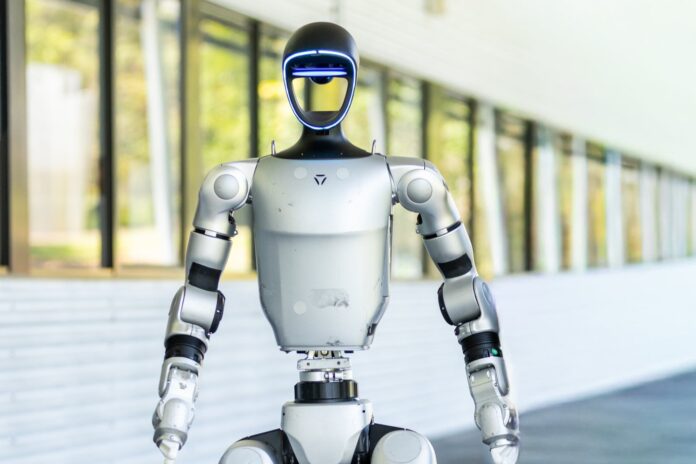
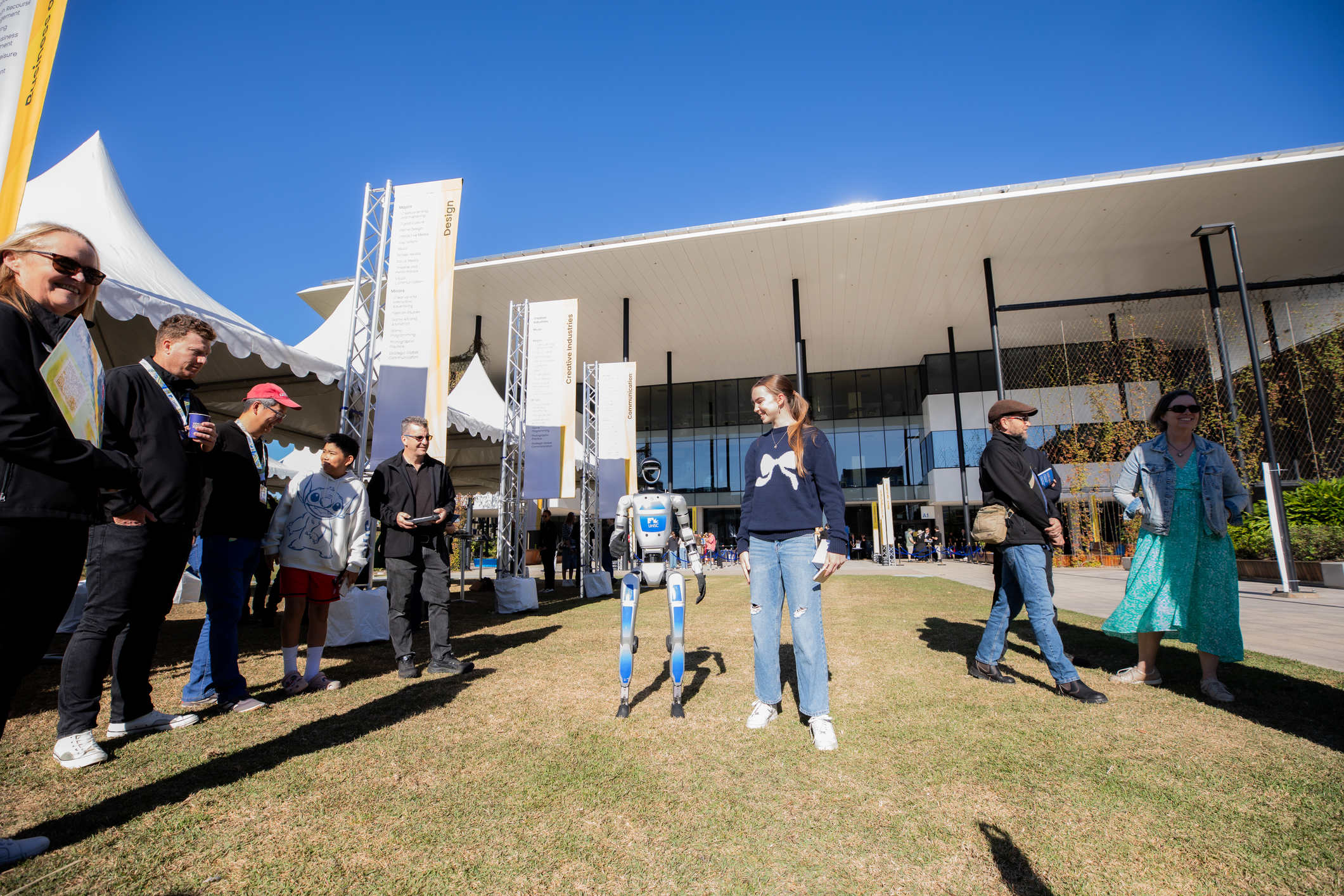
A humanoid robot strolling past shoppers on the main street of a Sunshine Coast town has sparked mixed reactions, as experts say it highlights the narrowing gap between emerging technology and everyday life.
Footage of the machine walking along Bulcock Street in Caloundra, shared on social media by Debbie Galway, prompted hundreds of comments.
Many expressed disbelief and concern.
“This is too far-fetched. I can’t believe it,” Monique van Jole said.
“Freaky, trying to make them normal,” Chrisie Chase said.
“Get rid of it before it gets rid of us,” Arihia Te-Aroha added. “They freak me out,” Harmony-jae Perkins said.
“Grab it, we need a new PM,” RedPassionfruit5809 joked. “New parking inspectors,” Paul Rushton quipped.
“This is called creeping normality, gradualism or boiling frog syndrome,” Jules McKie said.
“When a change or new condition is introduced so slowly and subtly that people initially find it amusing or intriguing and slowly acclimate to it that they fail to notice its cumulative impact,” Jules McKie said.
The robot, Unitree G1, is owned by the University of the Sunshine Coast and is used to help students explore how humanoid systems can operate in real-world environments.
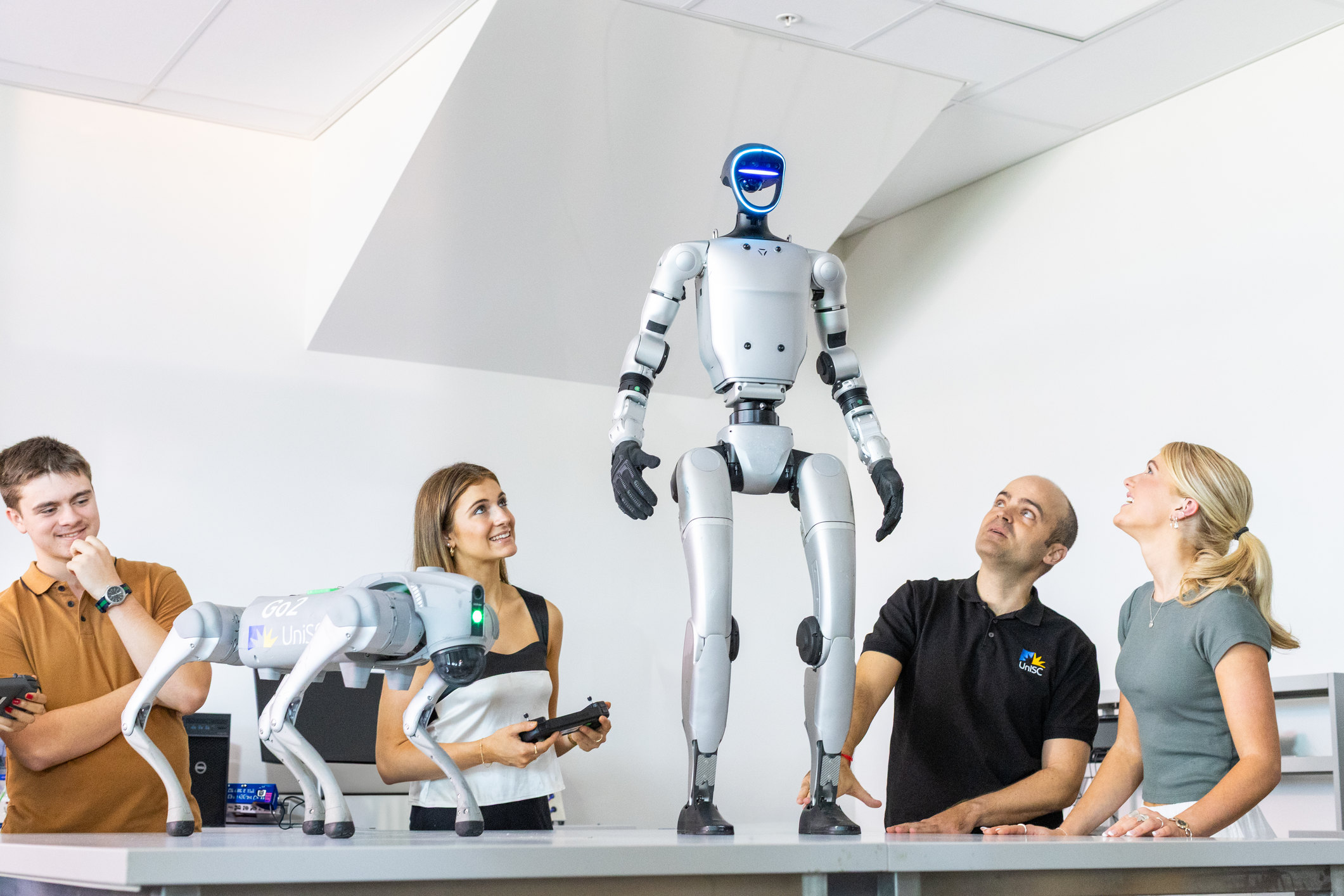
A UniSC spokesperson said the robot was recently showcased in Caloundra as part of the Regional School Industry Partnership Program, “helping engage students and the broader community in conversations about the future of technology, engineering and innovation”.
“Robotics is an emerging area across Australia, including in regional communities, particularly in sectors like agriculture, healthcare, and environmental monitoring.
“There is strong interest and clear potential, but exactly which technologies will be widely adopted and the timeframes for that uptake are still evolving.”
Robots are more commonly seen in laboratories, large-scale work places and on social media but they are starting to appear in everyday spaces. The spokesperson said public reactions to robots in community settings were “important”.
“Humanoid robots remain an uncommon sight, especially outside major metro or research settings.”
“As a result, when one appears in a public or community context, it naturally attracts attention and curiosity.
“That reaction is important as it helps bridge the gap between emerging technology and everyday understanding, sparking conversations about what these systems might realistically do in the future.
“At UniSC, this emerging capability is already being explored in a hands-on way.”
The university operates a fleet of two humanoid robots and nine robotic dogs.
“These platforms are not just demonstration pieces, they are actively integrated into teaching, student projects and industry engagement.
“At UniSC, robotics and AI are taught in the context of practical, human-centred applications, from improving safety in hazardous industries, to supporting independent living for older Australians, to assisting with repetitive or physically demanding tasks.
“These technologies are creating new opportunities for students to develop skills that will be increasingly important across many sectors.
“The point is to augment human capability, not replace jobs. Our focus is on preparing students to create and use technologies that support people, strengthen safety, and drive productivity for the benefit of society.”