
A simple classroom routine built on rhythm and movement could help reduce behavioural issues in young children, according to new research led by the University of the Sunshine Coast.
The study, involving more than 200 four-year-olds across southeast Queensland, found children who took part in a structured program showed stronger social skills and fewer behavioural problems as they moved into school.
Professor Kate Williams said the results were consistent across a range of learning environments.
“Preschool and school teachers reported increases in prosocial behaviour such as cooperation, helping and positive peer interactions,” she said.
“There were reductions in behaviour problems relating to both conduct and emotions.”
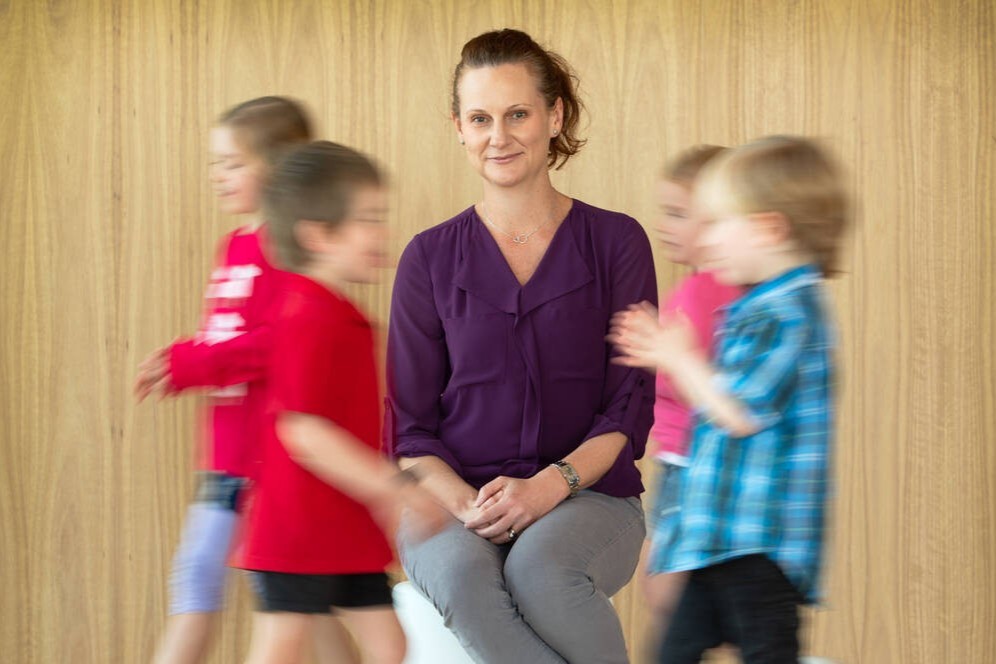
The findings come from a decade of research into the Rhythm and Movement for Self-Regulation program, known as RAMSR, developed with researchers from Queensland University of Technology and The University of Queensland.
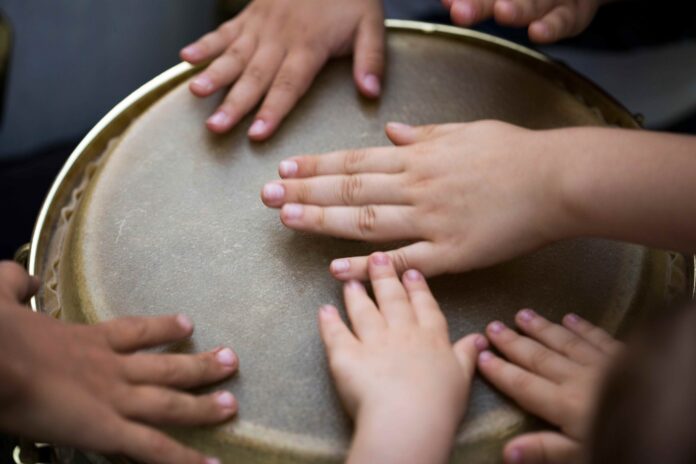
The program involves children moving in time together using rhythm – clapping, tapping sticks and body percussion – and can be delivered by teachers without a music background over an eight-week period.
Professor Williams said the benefits were observed across diverse communities, including areas where low socio-economic conditions can impact development.
“In addition, the program was implemented by teachers who had no prior music background over just eight weeks, highlighting how responsive young children can be,” she said.
Help us deliver more news by registering for our FREE daily news feed. All it requires is your email at the bottom of this article.
The research, published in the journal Behavioral Sciences, found the approach was linked to improved cooperation, emotional control and peer interaction.
“It’s different to other music activities because of its specific neuroscience base,” Professor Williams said.
“RAMSR is grounded in the developmental neuroscience of beat perception, movement and cognitive development.
“The rhythm and coordinated movement are intentionally designed to activate the brain networks involved in self-regulation, helping children practise focus, control impulses, and work together.”
Earlier work at the same eight kindergartens found the program improved children’s ability to regulate attention, emotions and behaviour, while also strengthening school readiness.
A related trial in Hong Kong, published in the journal Child Development, reported similar outcomes, suggesting the model could be applied more broadly.
Another study in the Early Childhood Education Journal, released in February, examined how teachers implemented the program, identifying both enablers and barriers in classroom settings.
Professor Williams said the findings reinforced the long-standing link between movement, music and social development.
“It’s not surprising that rhythm and movement support children’s social and emotional development,” she said.
“Humans have used music and movement to connect and regulate behaviour for thousands of years.
“This program provides children with a regular experience of moving in time with others supported by rhythm, which is known as interpersonal synchrony.
“This synchrony builds social cohesion and empathy. We should all be doing the Nutbush in our workplaces together on a regular basis.”