
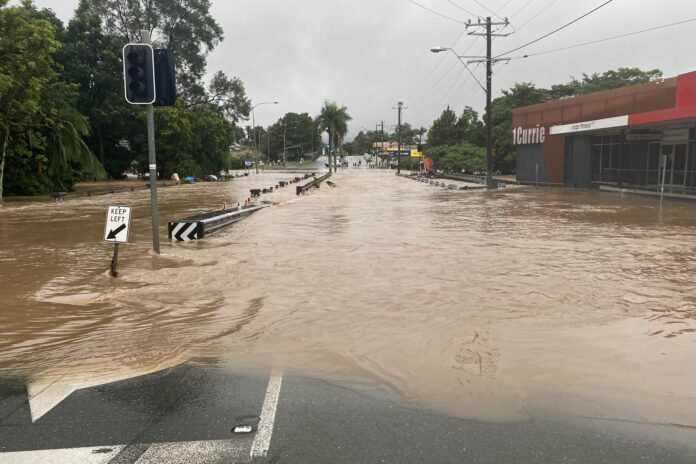
The mayor of the Sunshine Coast says proposed changes to national disaster recovery funding could leave frequently impacted regions worse off.
Rosanna Natoli said the move to a new funding split between the Commonwealth and the states and territories risked shifting more costs onto disaster-prone communities.
Under the proposed changes, the federal government would contribute 50 per cent of eligible disaster recovery funding, replacing current arrangements under which it contributes the majority of eligible expenditure across the disaster recovery program.
Mayor Natoli said any reduction in federal support could ultimately impact local councils and communities.
“When pressure builds at the state level, it inevitably flows down to local government and onto our communities,” she said.
Federal Emergency Management Minister Kristy McBain said councils would not be worse off under the reforms, which she aimed to simplify funding and improve recovery and resilience efforts.
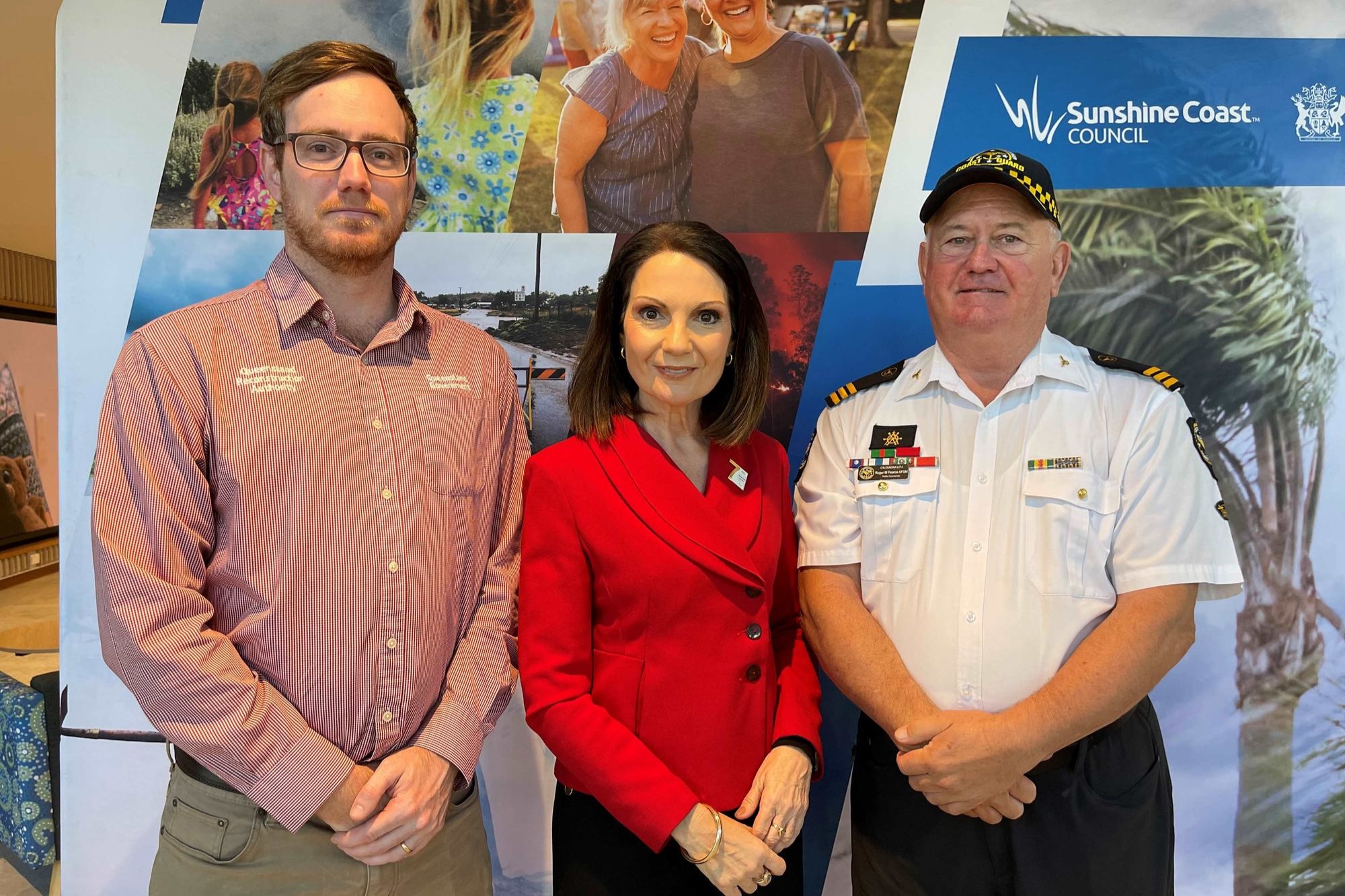
But Ms Natoli, who chairs the Sunshine Coast Local Disaster Management Group, said regions like the Sunshine Coast faced unique challenges.
“From where we stand, on the frontline of disaster response, there are serious concerns these changes could shift the risk, cost and uncertainty onto communities like ours,” she said.
“A one-size-fits-all funding model might sound fair on paper, but it ignores a fundamental truth: disasters are not evenly distributed across Australia. Queensland is hit more often, more severely and more frequently. A uniform approach will not deliver fairness: it will deliver disadvantage.
“Any new framework must ensure funding is not only faster, but sufficient, reliable and fair.”
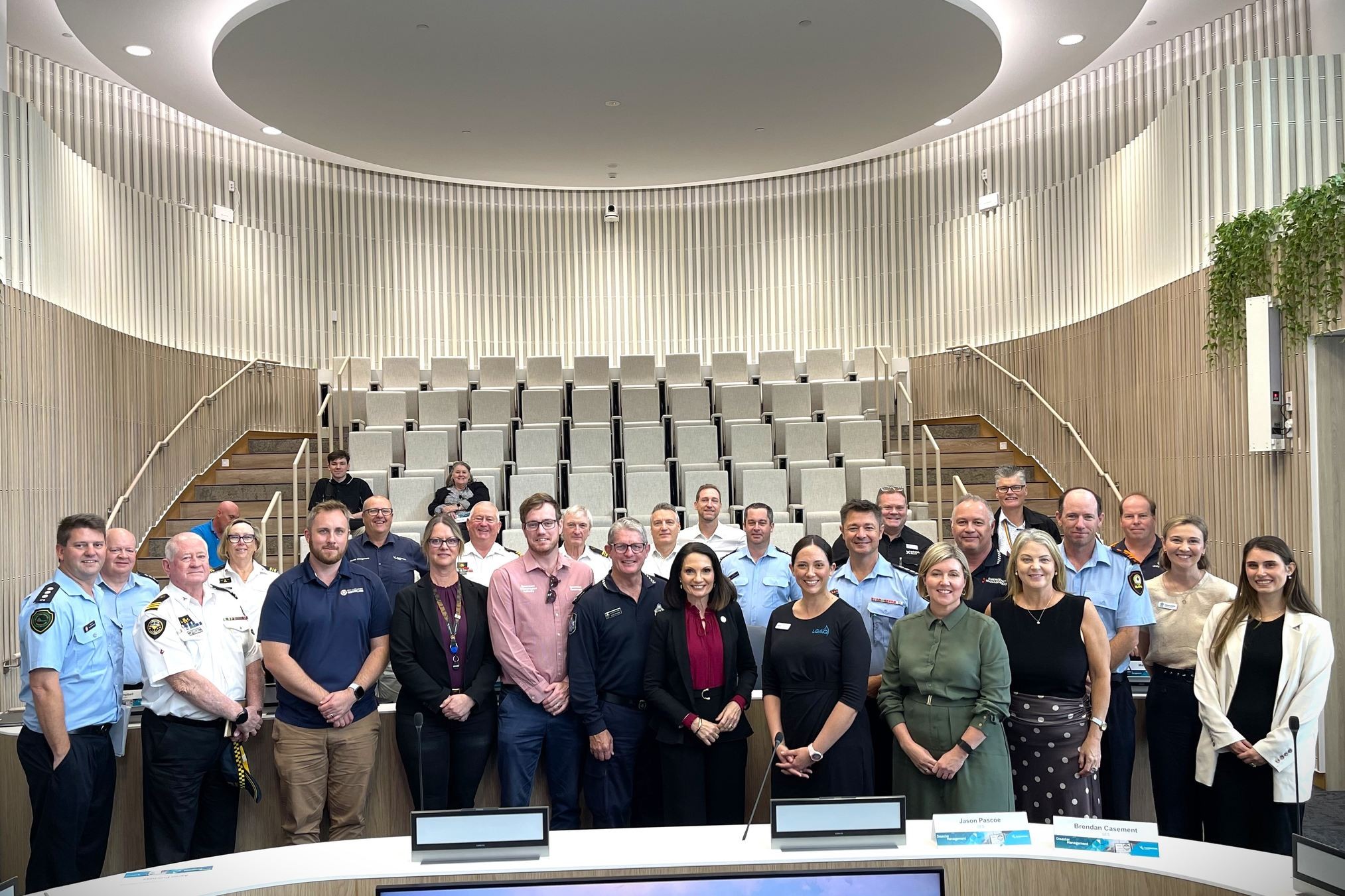
Help us deliver more news by registering for our FREE daily news feed. All it requires is your email at the bottom of this article.
Queensland Minister for Disaster Recovery Ann Leahy joined Mayor Natoli in expressing concerns.
“The federal government is walking away from a longstanding partnership that supports communities in their hour of need, putting recovery at risk in the most decentralised and disaster-prone state in the country,” she said.
However, Ms McBain said councils should not be worse off under the proposed changes.
“Councils are not responsible for disaster recovery funding and that will not change under our proposed reform,” she said.
“We are proposing to embed an equal partnership between the Australian, state and territory governments through a 50:50 funding model after every major event.
“Our reforms will make the process simpler and faster for councils to navigate and no council should be worse off.“
“We will continue to stand by Queensland after every natural disaster, as we always have. Based on historical data, Queensland will continue to get the largest share of disaster funding.”
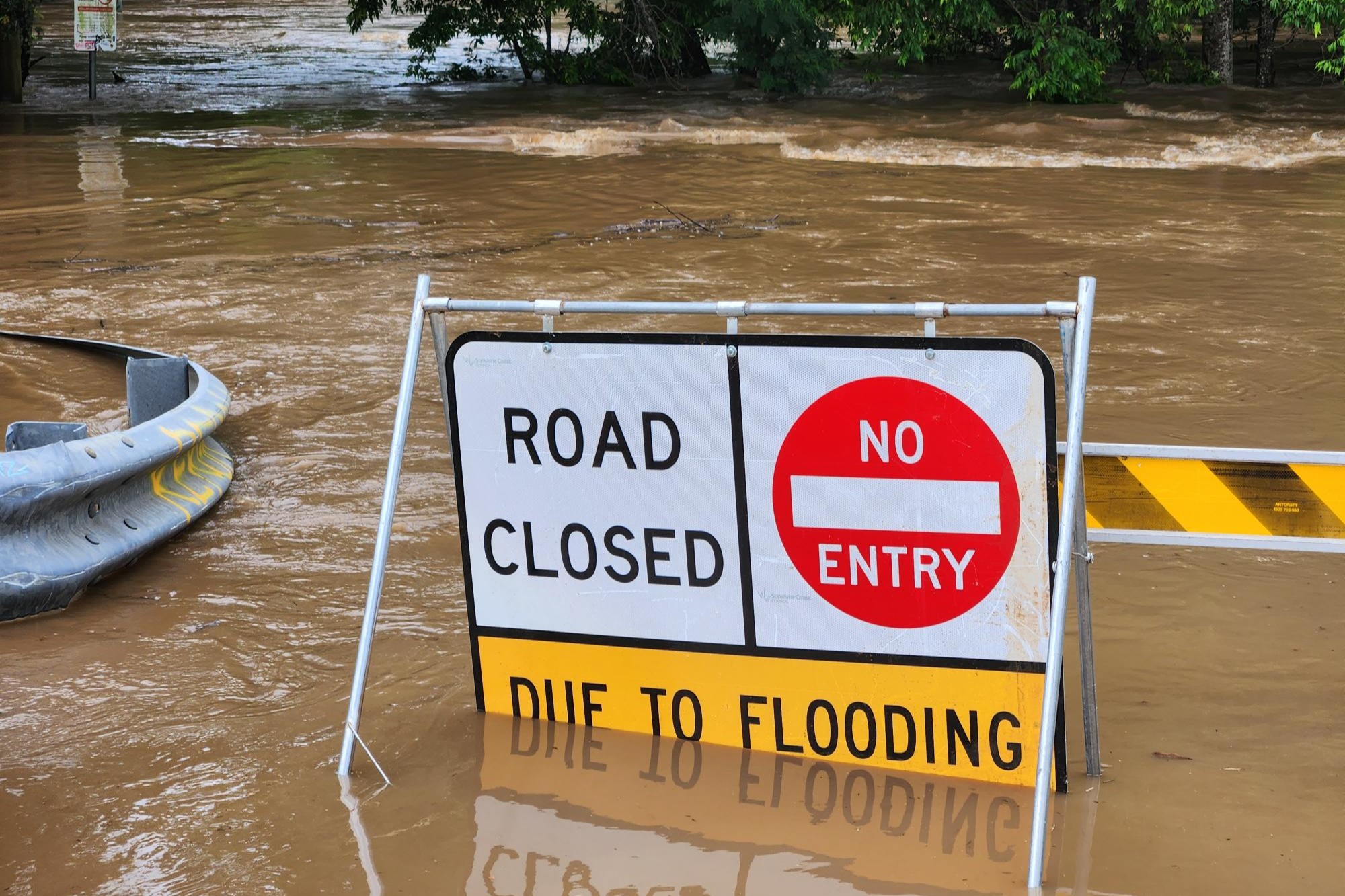
The Commonwealth announced the proposed changes, based on some of the recommendations in the Colvin Review, on June 5.
All states and territories are required to provide feedback on the proposed changes by July 31.