
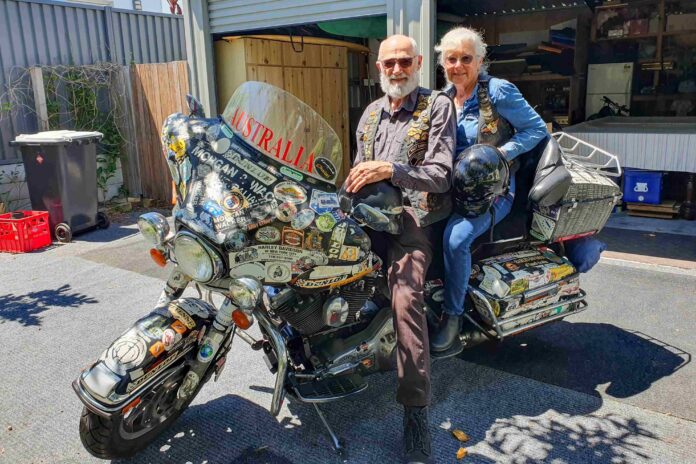
Older Australians are seeing themselves through a new lens – while some are literally behind the camera lens – thanks to a photographic project led by a local academic.
A new online image library compiled by the University of the Sunshine Coast (UniSC) is challenging how Australians see ageing, with pictures ranging from older drivers posing with red Mustangs to dog lovers wrangling German Shepherds.
The Picture Yourself image library features more than 500 photographs of older Australians, most taken by older photographers themselves as part of a healthy ageing research project led by UniSC senior lecturer in photography Dr Tricia King.
Supported by Creative Australia, the free online collection aims to replace stereotypical depictions of ageing with more authentic representations of older Australians in everyday life.
The images are available for non-commercial use under a Creative Commons licence allowing journalists, educators, researchers and organisations to download and publish them.
The gallery forms part of a broader research project that trained more than 80 older photographers around Australia, giving participants creative control over how ageing is represented visually.
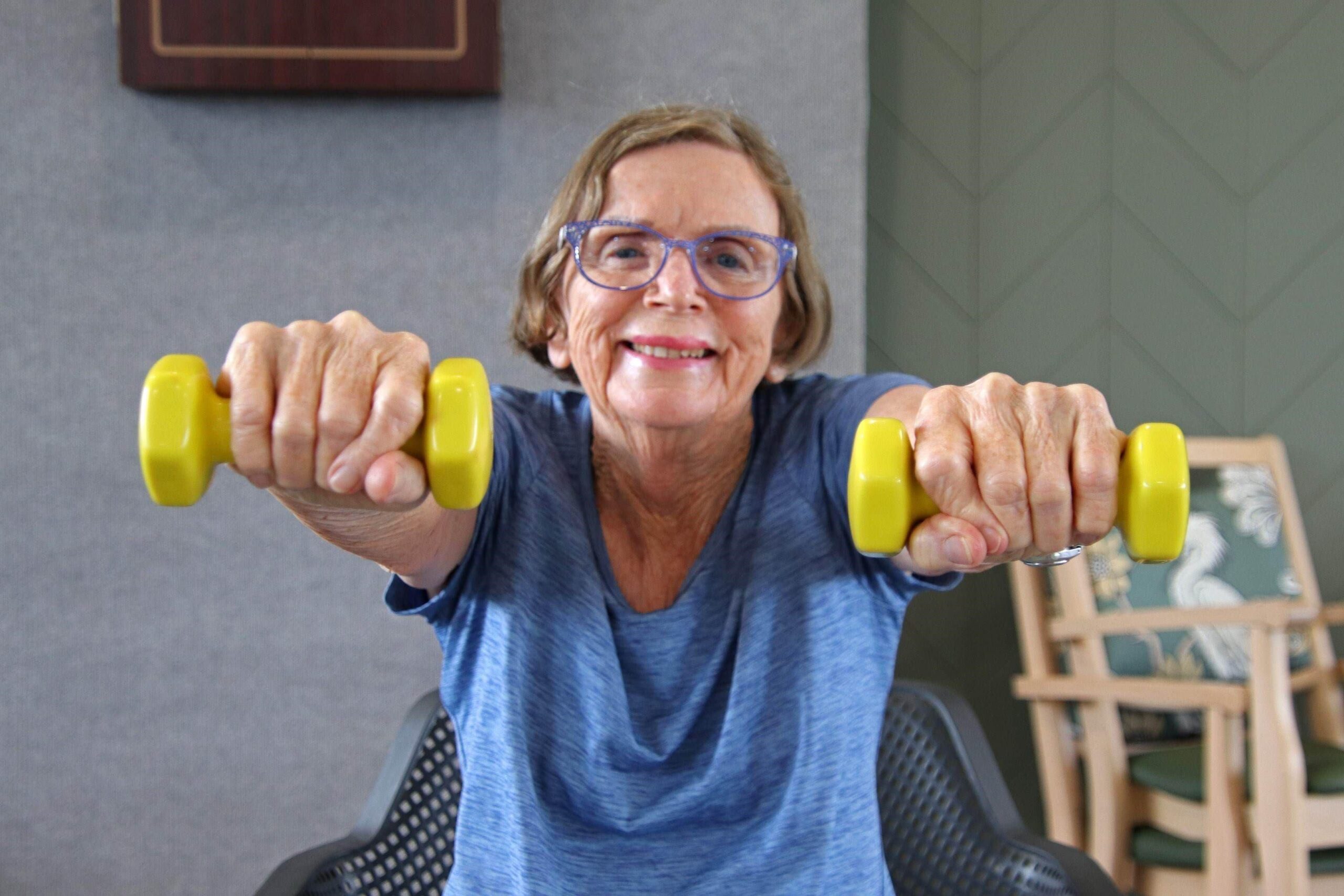
“When older adults have authority over their own representation, it changes the narrative, not just publicly but for the people involved themselves,” Dr King said.
“We have called it an age authentic library to capture the full gamut of older experience, not just extremes at either end.”
Dr King said the project grew from frustration with the limited and often negative imagery associated with older people.
“The images we usually see online of older adults are very stereotypical,” Dr King said.
“They often portray a deficit of what growing older means.
“You see images of people looking lonely, staring out windows, being helped, or being taught by someone younger.
“That’s not an accurate reflection of older Australians’ lives.”
Instead, the library depicts older Australians as socially connected, active and creative, while also acknowledging the realities of ageing through photographs of healthcare, support and care settings.
Dr King said ageism had consequences across all generations.
“Younger people are fearful of getting old, and older people internalise these stereotypes, and that’s really harmful,” she said.
“If we change the narrative, we can change how people think, behave and relate to ageing.”
The initiative aligns with UniSC’s healthy ageing research focus, which emphasises social connection, creativity and wellbeing alongside medical care.
Dr King said the project had also helped participants reconnect with their sense of identity and purpose.
“I’ve had photographers tell me the project has changed how they see themselves and their value,” she said.
“One photographer in Melbourne picked up a camera for the first time in 15 years, since she was a Hollywood photographer working with the likes of George Clooney, and said it reconnected her to what she loved in the prime of her life.
“She’d heard that all the photos available of older people with dogs were always with little white fluffy dogs, so she took it on herself to photograph people with German Shepherds and big golden retrievers for a beautiful collection on animal companionship.”
Another contributor from the Sunshine Coast photographed a friend posing with his red Mustang in front of the Big Pineapple, an image now being used in an online story about older drivers.
UniSC partnered with organisations including Living Your Best Life in Melbourne, ComLink Queensland and the Princess Alexandra Gerontological and Rehabilitation Unit to support the project.
The Picture Yourself image library is now live.