
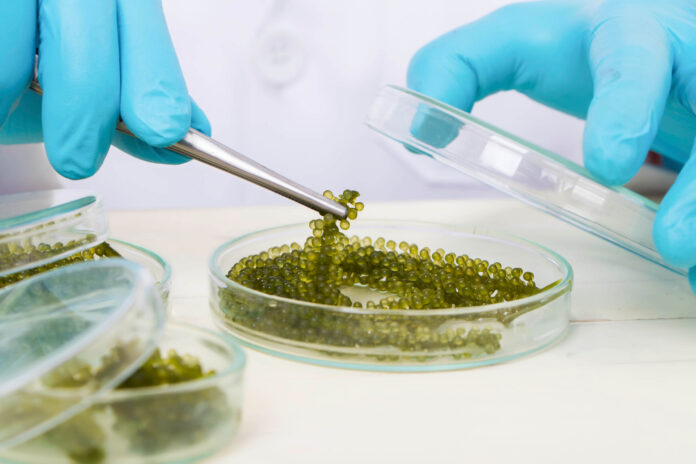
University of the Sunshine Coast researchers have identified hundreds of potential cancer-preventing compounds in seaweed.
Professor of Molecular Biology Scott Cummins and Genomics Lecturer Dr Min Zhao said while already known that including seaweed in your diet can help prevent cancer, identifying which naturally-occurring compounds are doing the preventing is a tougher task.
But it’s a key step towards the development of anti-cancer diets and treatments.
“The old approach to identify new compounds of interest (also called natural products) typically involved lab-based manual work and testing what could be millions of compounds for things like anti-cancer effects. This could cost millions, even billions, of dollars,” Professor Cummins said in a UniSC press release.
“Recently, scientists have been able to construct genomes, or genetic blueprints, of organisms.
“By running the genomes of 12 edible seaweeds through advanced computer algorithms, we were able to identify hundreds of potential anti-cancer compounds present.”
Do you have an opinion to share? Submit a Letter to the Editor with your name and suburb at Sunshine Coast News via: news@sunshinecoastnews.com.au
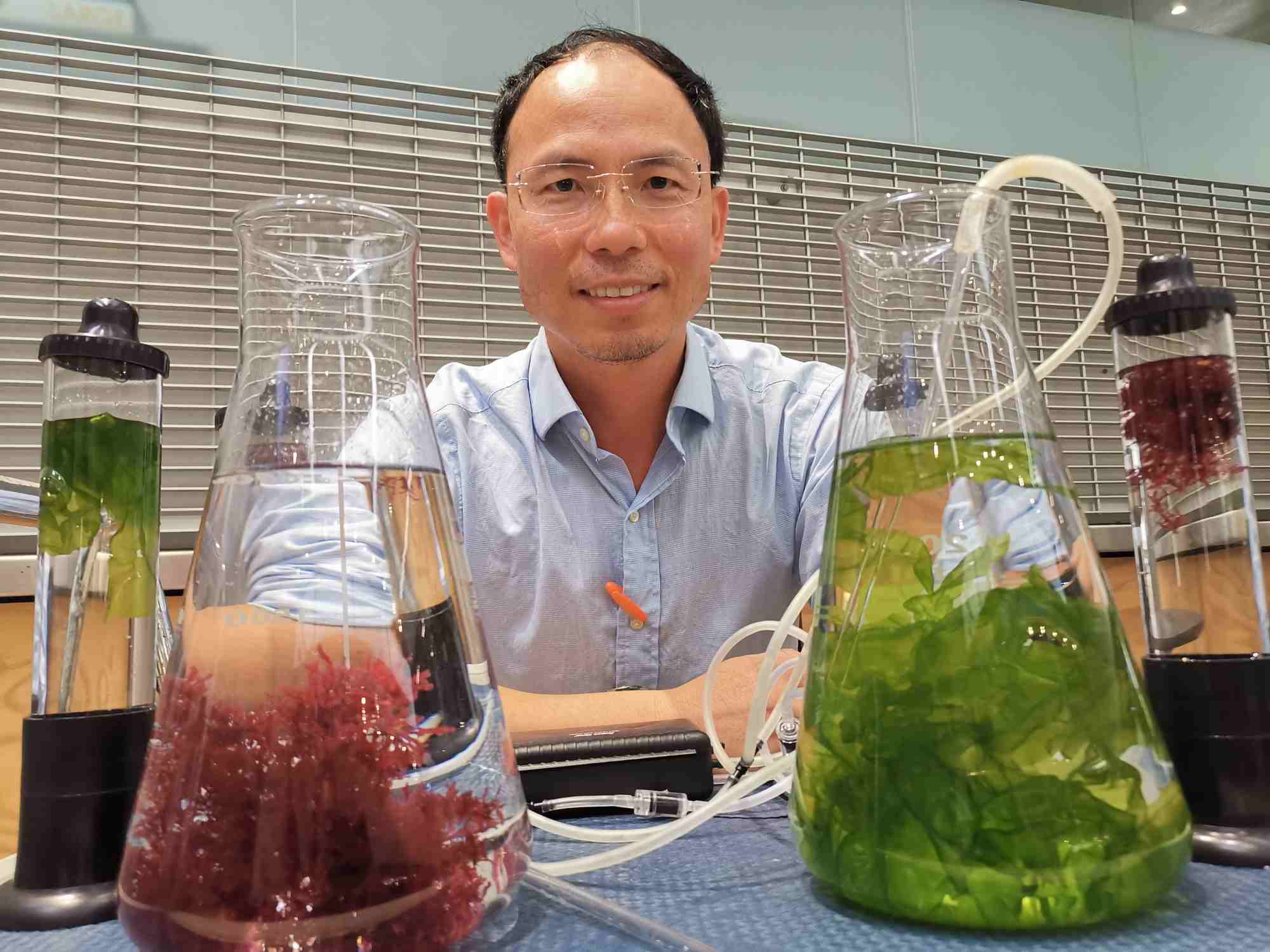
The work significantly narrows the field of focus for future researchers, to confirm whether these chemical compounds are indeed key to inhibiting cancer in humans.
“This approach could save researchers a lot of time and money usually needed for laborious lab-based work to identify the same key compounds. One may call it ‘genome-directed health discovery,” Professor Cummins said.
“It used to be like finding a needle in a haystack. This approach gets rid of a lot of that hay.”
It’s not the only genetic secret UniSC researchers have been working to unlock from seaweed.
Professor Cummins and Dr Zhao also recently collaborated with scientists from Japan and New Zealand to construct a full genome for Asparagopsis taxiformis.
They hope the miracle red seaweed could play a key part in tackling climate change, thanks to a discovery by Professor Nick Paul from UniSC’s Seaweed Research Group.
Professor Paul and other researchers found Asparagopsis had the power to reduce methane emissions in livestock by 99 percent, when included in their feed in concentrations of less than two percent.
Now armed with the genome, he and the rest of UniSC’s Seaweed Research Group are hoping they can start to overcome the next hurdle – how to grow enough of it.
“There are more than 25 million cattle in Australia alone,” he said.
“By mapping the Asparagopsis genome we’re hoping to uncover the genetic secrets that will allow us to not only scale up production, but to facilitate better breeding and farming in the future.”
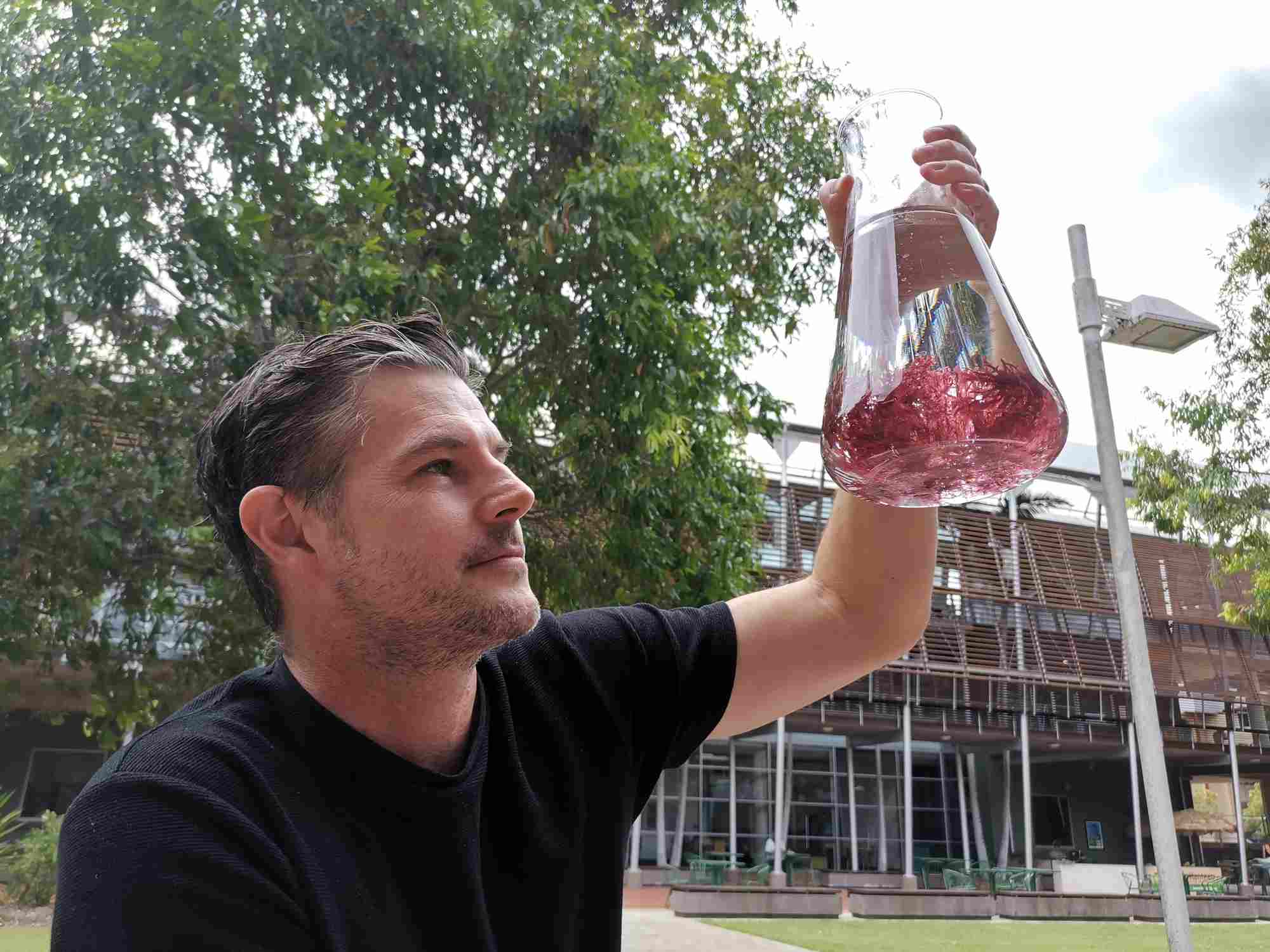
Meanwhile, Dr Zhao said: “Unfortunately, Asparagopsis is difficult to grow in aquaculture, and therefore we don’t have enough to supply for feeds. The genome unlocks important information to determine the genetic factors that contribute to its growth and anti-methanogenic capacity.”
The Federal Government recently announced $8.1 million in funding for emissions-reducing seaweed research and farming in its latest budget, after joining a global pledge to reduce methane emissions by 30 percent by 2030.
Professor Paul said it was a milestone.
“It’s exciting to see the Federal Government recognising the huge part Australia’s seaweed industry could play in the country’s future,” he said.
“This announcement of $8.1 million in funding highlights the need for a network of seaweed facilities across the country, including Queensland, to unlock that potential.”
SUBSCRIBE here now for our FREE news feed, direct to your inbox daily!