
Nationally-funded academic research initiated on the Sunshine Coast aims to improve the safety and support for people with disability during major life transitions.
A 12-month project conducted by the University of the Sunshine Coast (UniSC) will examine risks faced by people with disability when being discharged from hospital, released from jail, moving into or out of homelessness, or when support services break down.
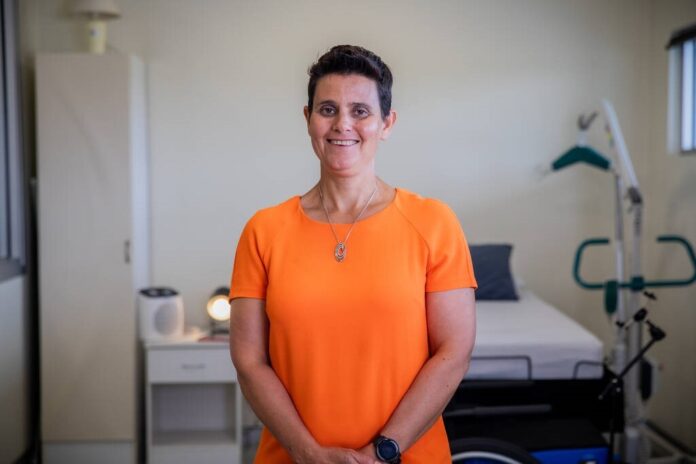
UniSC occupational therapist and principal investigator Associate Professor Michèle Verdonck said people with disability were often more vulnerable during these periods, particularly those living in regional and rural areas and Aboriginal and Torres Strait Islander peoples with disability.
In partnership with community organisation The Third Place Community, the research will identify gaps in existing support systems and develop practical solutions.
“We’ll be drawing on the experience of people with disability to identify the heightened risks they face during major life transitions,” Dr Verdonck said.
“This project has grown from a need identified by a community in Coonabarabran in regional New South Wales and we’ll be working together to come up with ways support services could provide a more coordinated response.
“We’re aiming to develop a practical framework to help local communities and support services work together more effectively and ultimately improve the safety of people with disability.”
Do you have an opinion to share? Submit a Letter to the Editor at Sunshine Coast News via news@sunshinecoastnews.com.au. You must include your name and suburb.
The project has received almost $200,000 from the National Disability Research Partnership (NDRP), which funds research shaped and led by people with disability.
It is one of 19 projects across Australia sharing $5m in the NDRP’s latest funding round, backed by a Federal Government grant.
Dr Verdonck will work alongside UniSC colleague Adjunct Professor Denise Wood AM and The Third Place Community founder Ty Hardin.