The Reserve Bank of Australia has raised interest rates to the highest level since 2008, heaping pressure on the government to cut spending.
In a split 6-3 decision on Tuesday, the central bank board raised the cash rate by 25 basis points to 4.85 per cent.
The decision was widely anticipated by economists and bond markets, which had been pricing in the chance of a hike at more than 80 per cent.
Since its meeting in September, the bank’s fears that higher oil prices and elevated spending on artificial intelligence infrastructure would further worsen inflation had come to pass.
While overseas factors were driving inflation higher, domestic capacity pressures were also higher than previously thought, the RBA board said in its accompanying statement.
Unemployment had risen by more than the RBA had predicted in August, but the bank’s resolve has been hardened by how long it has failed to get inflation under control.
“The board is conscious of the period in which inflation has been too high,” it said.
“Given the revised inflation outlook and the continuing upside risks, the board judged that a further tightening in financial conditions is warranted to support the return of inflation to target.”
For the average mortgage holder with a $600,000 loan, the five rate rises in 2026 mean monthly interest repayments will be more than $450 higher than in February, according to financial comparison site Canstar.
While external factors, such as the Middle East conflict, have exacerbated Australia’s inflation dilemma, economists have identified high government spending as a contributing factor.
At the same time, low productivity growth was constraining how fast the economy could grow without pushing prices up further, KPMG chief economist Brendan Rynne said.
“After two consecutive rate hikes, the RBA is likely to pause now for the Christmas period in the hope by its next meeting in February conditions may improve,” Dr Rynne said.
“If not it may very well consider further hikes to kick off the new year.”
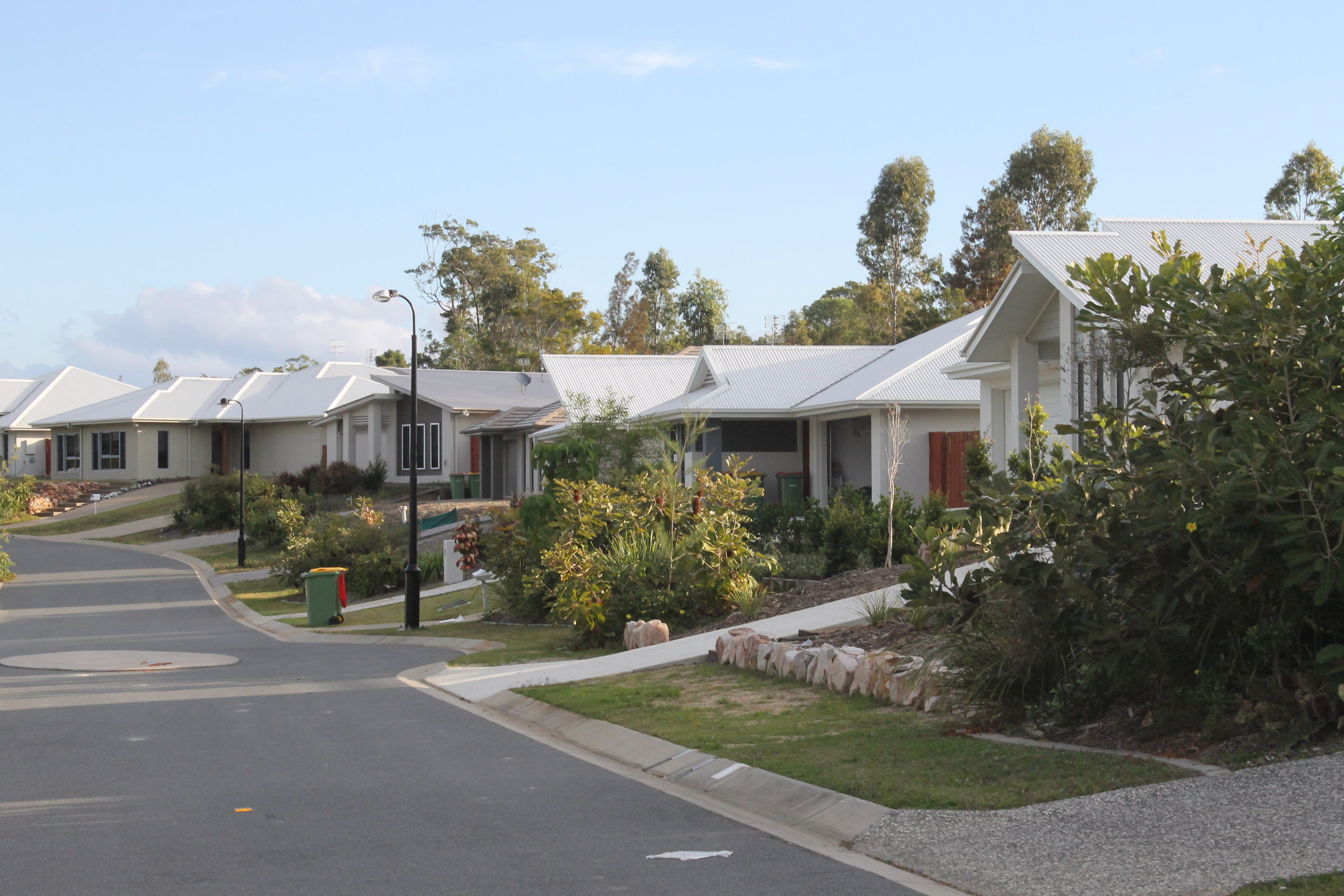
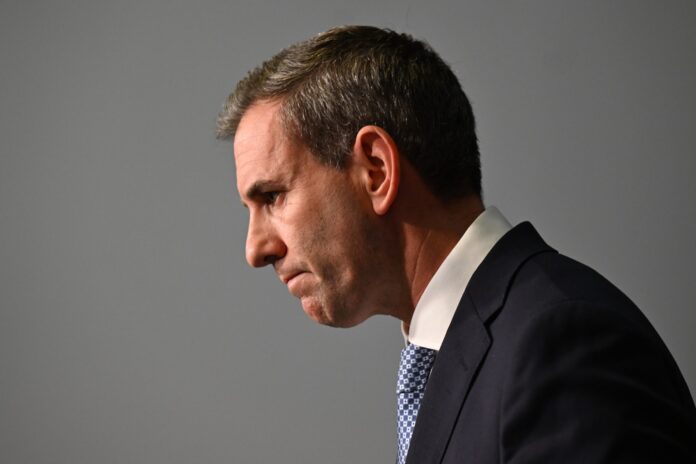
Tuesday’s rate rise heaps extra pressure on Treasurer Jim Chalmers to find savings in December’s mid-year budget update.
Dr Chalmers said the government took responsibility for its part in the fight against inflation.
“Budgets aren’t the primary driver of prices in the economy, but responsible economic management plays a helpful role,” he told reporters in Canberra.
“We’ve found almost $180 billion in savings since coming to government, there have been savings in all eight of our budget updates so far, and there will be more savings in the mid-year budget update in December.”
Business groups called on the government to slash spending and drive growth in productivity.
“It’s hard to ask Australians to tighten their belts when the federal government isn’t tightening its own,” Business Council of Australia chief executive Bran Black said.
“Government spending is adding to this burden at the very time the Reserve Bank is trying to bring it down.”
Property prices have already fallen by 6.7 per cent nationwide since the RBA’s first rate rise in February, according to data provider Cotality.
Commonwealth Bank updated its forecasts on Tuesday, predicting the downturn to run to 14 per cent from peak to trough, with deeper falls in Brisbane and Perth.
Want more free local news? Follow Sunshine Coast News on Facebook, LinkedIn and Instagram, and sign up for our FREE daily news email.