

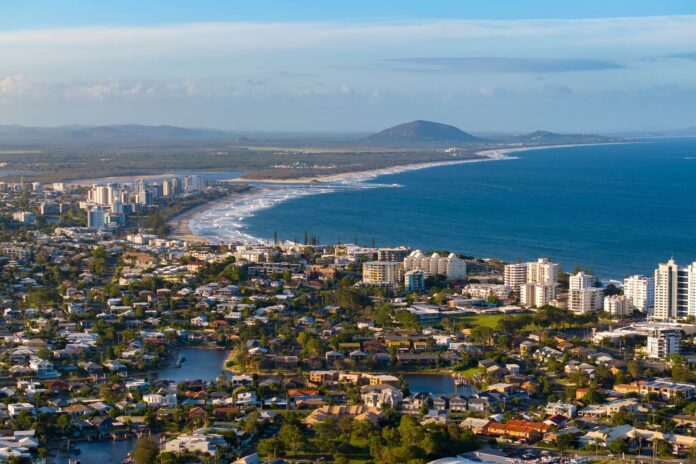
Sunshine Coast properties could face repeated flooding and mounting damage costs as sea levels rise, with several local areas considered particularly vulnerable.
The Climate Council’s Rising Seas Rising Bills report puts a price on the threat, estimating billions of dollars in damage across Queensland by 2100 and naming Mooloolaba and Noosa Heads among the hotspots.
Sunshine Coast Council said its own local flood mapping differed from the Climate Council modelling, but acknowledged the region must prepare for increased coastal inundation, erosion and other climate-related impacts.
The report stated that Queensland had the most properties at risk of any state (93,157) and faced $214.5b in losses.
Report co-author, Climate Council councillor and Monash University adjunct professor Andrew Watkins said the Sunshine Coast was especially vulnerable to the elements.
“We can expect some Sunshine Coast properties will be flooded, potentially repeatedly, because they are exposed to episodic coastal flooding, where a storm surge on top of rising seas pushes water further inland,” he said.
“Some of these properties could be damaged repeatedly over decades, with costs accumulating each time.
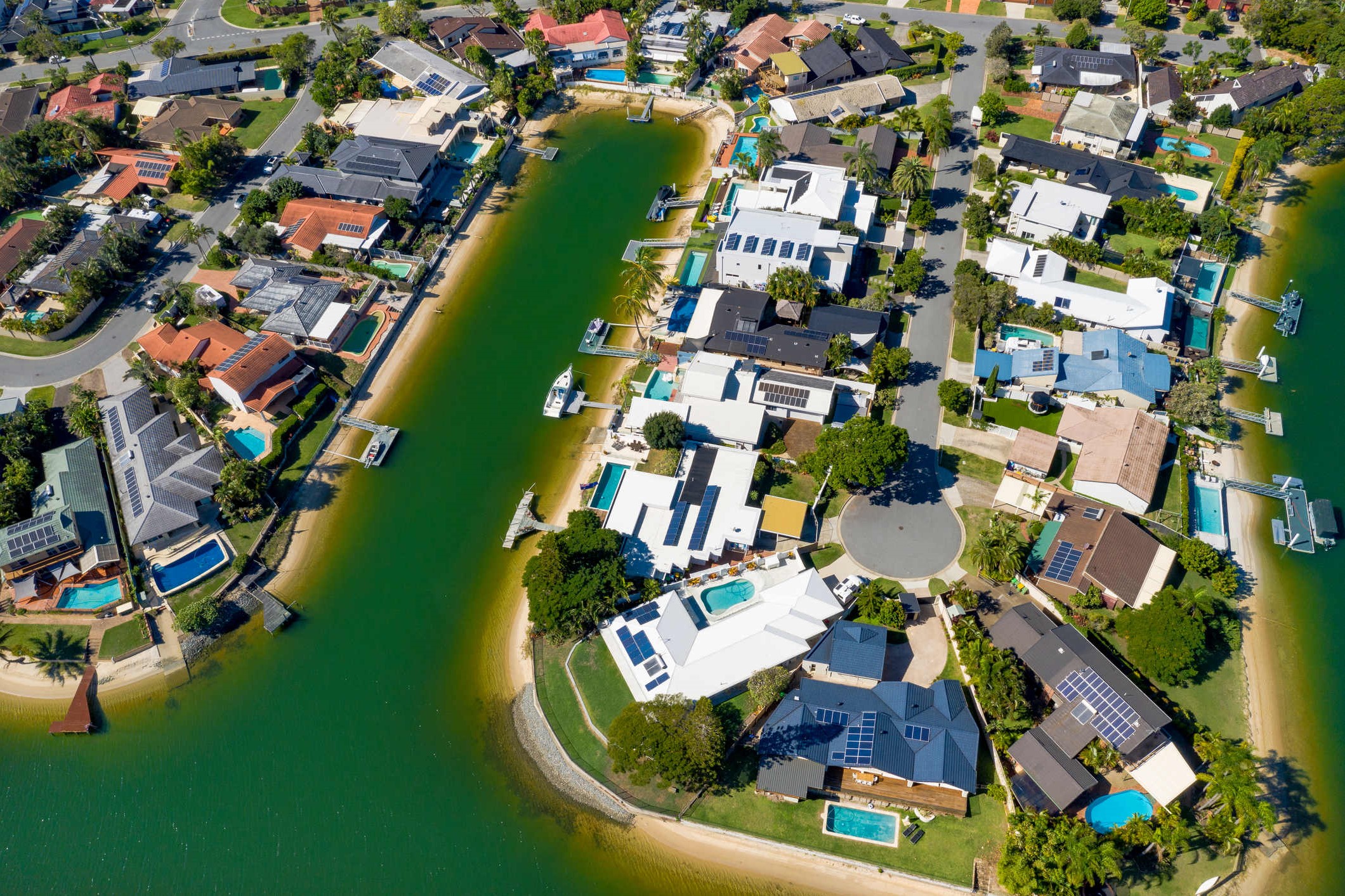
“Any areas where you have low-lying properties on a sandy coast are vulnerable to sea level rise, such as parts of Noosa, Mooloolaba, Bribie Island, Maroochydore and Caloundra as well as areas where you have canals such as Noosaville, Mooloolaba and Pelican Waters.
“We know that flooding is already an issue in Maroochydore but we can expect climate change to drive those damage repair bills even higher.
“During major storms, properties that are near the coast and on tidal rivers, like Maroochydore, face the threat of flooding from higher tides on rising seas coming up the river, whilst flooding from heavy rains washes down the river.”
The report modelled economic losses from flooding damage.
“The implications are clear: properties that flood repeatedly become harder to insure, more expensive to maintain and less attractive to buyers. If insurance costs become too high or insurance companies will not insure coastal properties, then it will not be possible to obtain a mortgage for those properties as banks require insurance.
“Added to this, most private insurers don’t cover ‘actions of the sea’, meaning direct coastal flooding from storm surges isn’t covered under standard home insurance policies. As sea levels rise and flooding becomes more frequent, pressure on insurance markets will increase.”
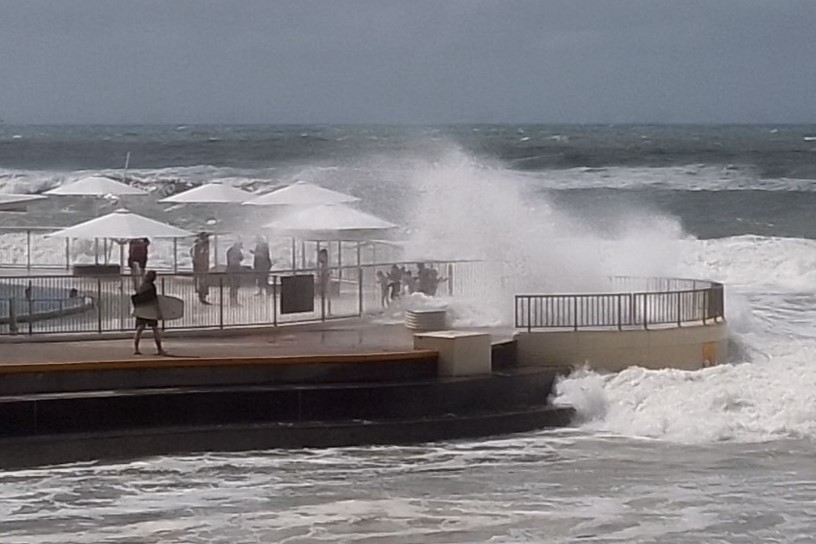
Mr Watkins said the impacts could extend beyond waterfront properties.
“Even if Sunshine Coast and Noosa residents aren’t living on the waterfront, they are still paying for rising seas, whether it’s through losing space at the beach for activities like surf lifesaving carnivals, losing coastal infrastructure like cycling paths and roads, or through local council having to spend money on flood repairs, and potentially hiking rates or cutting spending elsewhere.”
Mr Watkins said authorities needed to prepare for the risks.
“We need governments to take sea level rise seriously with full national plans for our coastlines, as well as investing in helping communities prepare for the sea level rise that’s already occurring,” he said.
“As a very last resort this may mean a managed retreat from the most vulnerable areas over the next century.
“Hard coastal protection like seawalls is often about buying time, not solving the problem. They are also very expensive, and difficult, to build and maintain. Plus, they can accelerate erosion on neighbouring beaches and properties.
“What’s clear is that a sea wall should be the last resort versus smarter planning laws that stop new development in at-risk areas in the first place.”
Help us deliver more news by registering for our FREE daily news feed. All it requires is your email at the bottom of this article.
A council representative said planning and preparation could help reduce the risks.
“Climate change is bringing more frequent and extreme impacts to our region, including inundation, heat, bushfires and damaging storms.”
“As a coastal region, the Sunshine Coast must prepare for the compounding impacts of sea level rise, increased erosion and coastal inundation in the changing climate.
“In many cases, risks to a property can be addressed through careful planning. Through due diligence processes, developers and property owners are made aware of these risks and can ensure buildings and spaces are designed for resilience. Since 2014, the Sunshine Coast Planning Scheme has set flood immunity requirements for development that incorporate climate change forecasts.
“Coastal inundation awareness and preparation is important for our coastal communities, in the same way that residents who choose to live in vegetated areas are bushfire-ready. By understanding their property’s risk profile to disasters and the changing climate, property owners can retrofit, renovate or build for resilience.”
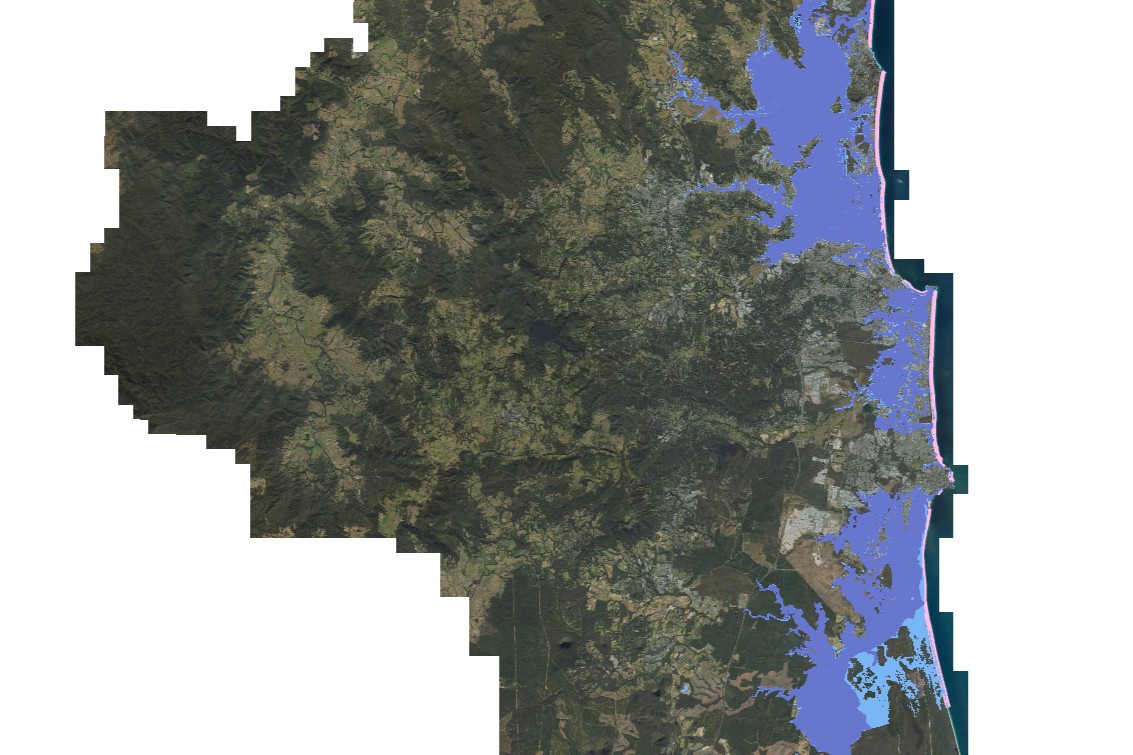
The representative encouraged locals to see current and future inundation risks to their properties using Council’s flood mapping tool and Flooding and Coastal Resilience Design Guide.
“Council’s mapping for current flood risk, with a localised focus and regularly updated data, does differ from the Climate Council modelling,” the representative said.
Council also pointed to its coastal hazard, erosion, dune-monitoring and regional climate adaptation programs.
Levels of government have been busy building and improving foreshore defences along the Sunshine Coast, including at places like Bribie Island, Golden Beach, Mooloolaba, Moffat Beach and Diamond Head.
Sunshine Coast News has reached out to the federal government for comment.



