

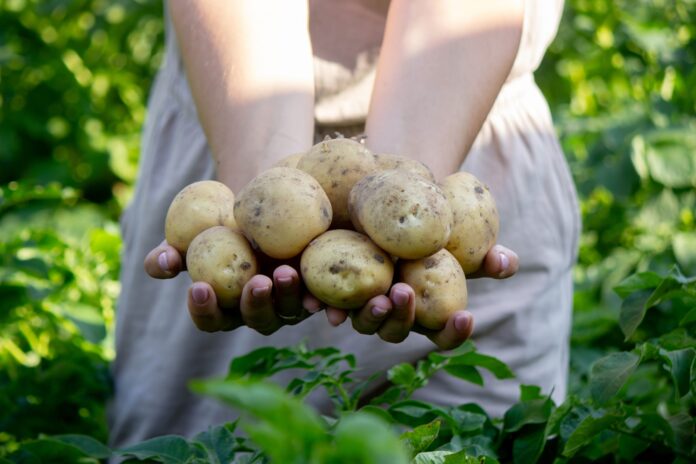
It is easy to take the simple potato for granted. It sits in dark places, often covered in dirt, waiting to be fried, roasted, mashed or boiled.
The world is obsessed with fancy superfoods (hello chia and acai!), and the humble potato is often dismissed as a simple starch: a comfort food. But the potato is one of the most vital, sustainable and powerful foods on the planet.
May 30 is the United Nations-declared International Day of the Potato, and that warrants pause for a thought about this powerhouse that is far more than just a ‘dud spud’.
Originating in the Andes mountains 8000 years ago, the potato has been propagated in all manner of places, and a crop that thrives where others perish is a treasure indeed. As climate change disrupts farming, the potato’s adaptability makes it an unparalleled asset.
There are now 5000 varieties worldwide and 159 countries grow them. It produces more nutritious food on less land and in harsher environments than almost any other crop. It is the third-most important food crop in the world after rice and wheat, in terms of human consumption.
But the poor vegetable has copped a lot, even being used in idioms such as ‘couch potato’ to illustrate laziness and ‘hot potato’ as a way of saying something is not wanted.
Do you have an opinion to share? Submit a Letter to the Editor at Sunshine Coast News via news@sunshinecoastnews.com.au. You must include your name and suburb.
The potato has even been demonised at two different points in history: as an unholy alien plant in Medieval Europe (even being banned in France for a time) because it grew underground and came in odd shapes, and as an unhealthy carb in modern diet culture.
Potatoes’ dietary reputation was unfairly acquired. Just because it was made to hang around with the wrong crowd – deep fried in fat or smothered in butter or sour cream – it was condemned. The mistaken belief that potatoes are low in nutrients hasn’t helped, either. The potato is a quiet hero in the fight against global hunger. Because it can be grown by families with relatively few resources, it is a key to tackling rural poverty.
So, as the International Day of the Potato approaches, let’s stop dismissing it as a simple side dish. It is an adaptable and essential food source that requires our respect and support because it is cheap, as well as extraordinary.
Spuds – the quirk of the dirt and demonised by dieters – could not be further from duds if they tried.
Dr Jane Stephens is a UniSC journalism lecturer, media commentator and writer.



