

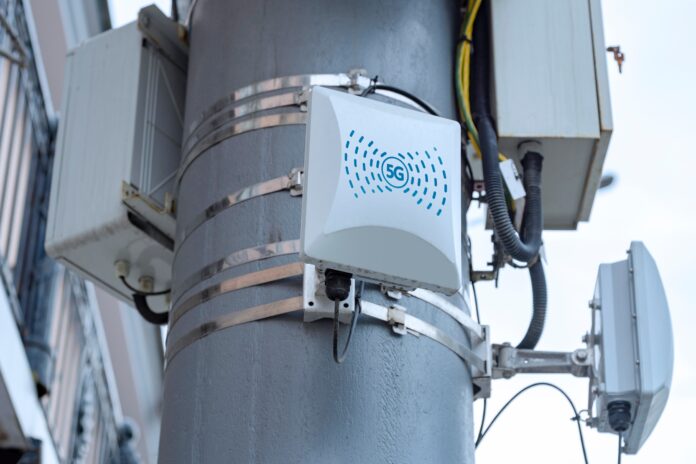
A court appeal has been launched against Sunshine Coast Council’s refusal of a proposal to build a phone tower on land above an existing water reservoir.
Indara Infrastructure Pty Ltd, which owns and manages more than 4300 mobile telecommunications facilities across Australia, had sought permission to host Optus equipment, including a 29m phone tower, at 33 Fountain Road, Buderim.
The proposal was intended to improve mobile network coverage and capacity around Buderim and surrounding areas, including nearby sections of the Sunshine Motorway areas and the future Wises Farm development site.
But the council rejected the proposal in December, citing visual impacts, proximity to homes and community opposition.
Indara, represented by lawyers Pinsent Masons, has now launched a Planning and Environment Court appeal to have the council’s decision overturned.
“The proposed development ensures the efficient use of natural resources and avoids or minimises adverse environmental community impacts by improving connectivity for those within this area of the Sunshine Coast, minimising visual impacts through its strategic location behind dense vegetation and the water tower, as well as being located to ensure no clearing of vegetation is required,” the appeal states.
The 50m-wide water tower covers about 2500sqm of the 7273sqm site. Telstra has had mobile equipment on the reservoir since 2007 but Unitywater, which owns the site, has refused consent for Optus to co-locate for operational reasons. It has, however, consented to a standalone tower being built for Optus’ needs.
Do you have an opinion to share? Submit a Letter to the Editor at Sunshine Coast News via news@sunshinecoastnews.com.au. You must include your name and suburb.
The development application was submitted in November 2024, with public notification between January 28 and February 18 last year. A council memo noted that 126 properly made submissions were received: three in support and 123 in objection.
“For clarity, only 94 individual properties are represented in properly made submissions. Many objections were made by residents of the same property or were multiple objections from the same party,” the appeal states.
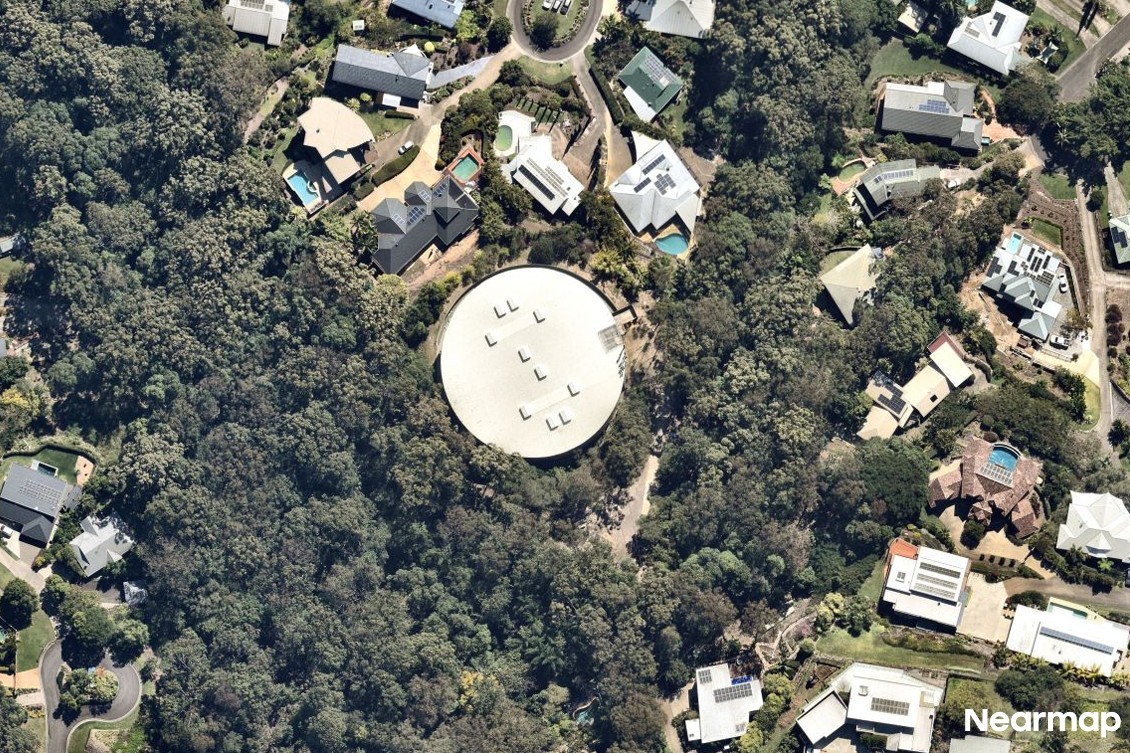
Indara argues the phone tower should be approved because of a lack of other suitable sites within 1km that could service the intended coverage area.
“The site has been carefully selected because of a genuine existing and, in particular, future need for mobile communication services in the area,” it says.
“Whilst Optus has several telecommunications facilities in Buderim, the location of these sites and the terrain of the area mean they cannot provide an adequate level of service.”
The appeal also argues the phone tower will be needed to provide mobile services for potential development on Wises Farm.
“At least 23 hectares of land is expected to be developed for residential purposes; reports suggest this area could accommodate 570 homes, or 800 units in the near future,” it states.
“Without this facility, this new development area will be without coverage, and increases in population density will significantly constrain existing coverage.
“The site is also situated to the west of Immanuel Lutheran College. The site has been selected with these demand factors in mind and will service both of these land uses.”
The council’s decision notice said the application did not demonstrate a need for the proposed development sufficient to justify approval.
“The proposal is not located to minimise impacts on the amenity of nearby residential uses and public spaces,” it said.
“The height of the proposal exceeds the building height specified for the site and the height of surrounding vegetation.
“The proposal is not of a scale and intensity that is generally less than other parts of the central Sunshine Coast.”
Related story: Telco takes council to court over phone tower plan
But the appeal argues the rejection of the application contradicts council’s own findings about visual impacts.
“The council report states in relation to the visual impacts of the proposed development that ‘overall, the visual impact assessment undertaken by council using 3D modelling software has determined that the surrounding reserves, parks and identified significant views in the Buderim local plan area are unlikely to be visually impacted by the development’,” it says.
“The appellant (Indara) contends that these visual amenity concerns have been exaggerated and contradict the conclusions of the respondent’s own visual impact assessment. Visual impact must be balanced against the genuine need for the facility, the appropriateness of this site for that facility, and broader strategic objectives in the planning scheme relating to network coverage and urban growth.”
Sunshine Coast Council does not comment on matters before the courts.
The aerial imagery in this story is from Australian location intelligence company Nearmap. The company provides government organisations, architectural, construction and engineering firms, and other companies, with easy, instant access to high-resolution aerial imagery, city-scale 3D content, artificial intelligence data sets, and geospatial tools to assist with urban planning, monitoring and development projects in Australia, New Zealand and North America.



