

Sunshine Coast MP Andrew Wallace says this week’s federal budget must address the cost-of-living crisis and ease the pressure felt by families.
The Member for Fisher has outlined five key deliverables he hoped to see in the budget on May 9.
The federal government has indicated it will indeed focus on cost-of-living relief, while ensuring spending does not add to inflation.
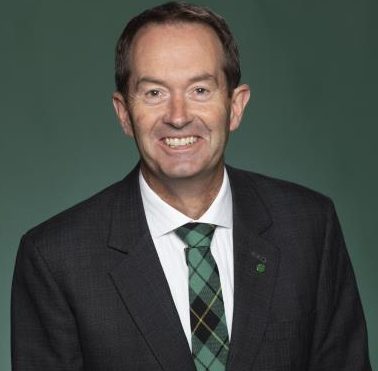
Mr Wallace said many people were doing it tough on the Sunshine Coast.
“Everyone I speak to in the Fisher electorate wants to talk about the cost-of-living pressures they are feeling,” he said via a press release.
“Many families are struggling to put food on the table or pay the bills due to high inflation, declining real wages and skyrocketing grocery and energy bills.
“As families tighten their household budgets, Prime Minister Anthony Albanese and Treasurer Jim Chalmers must also do their bit to assist the economy by not adding to inflationary pressures.”
Mr Wallace, of the LNP, hoped to see five key deliverables in Labor’s 2023-24 budget: fiscal restraint to take pressure off families; simpler and fairer taxes; real action on productivity to make lives easier for those in small business and families; measured relief for small businesses and families that does not add to inflation; and no broken promises.
Treasurer Jim Chalmers said the government’s second budget would aim to help a broad range of people facing cost-of-living pressures.
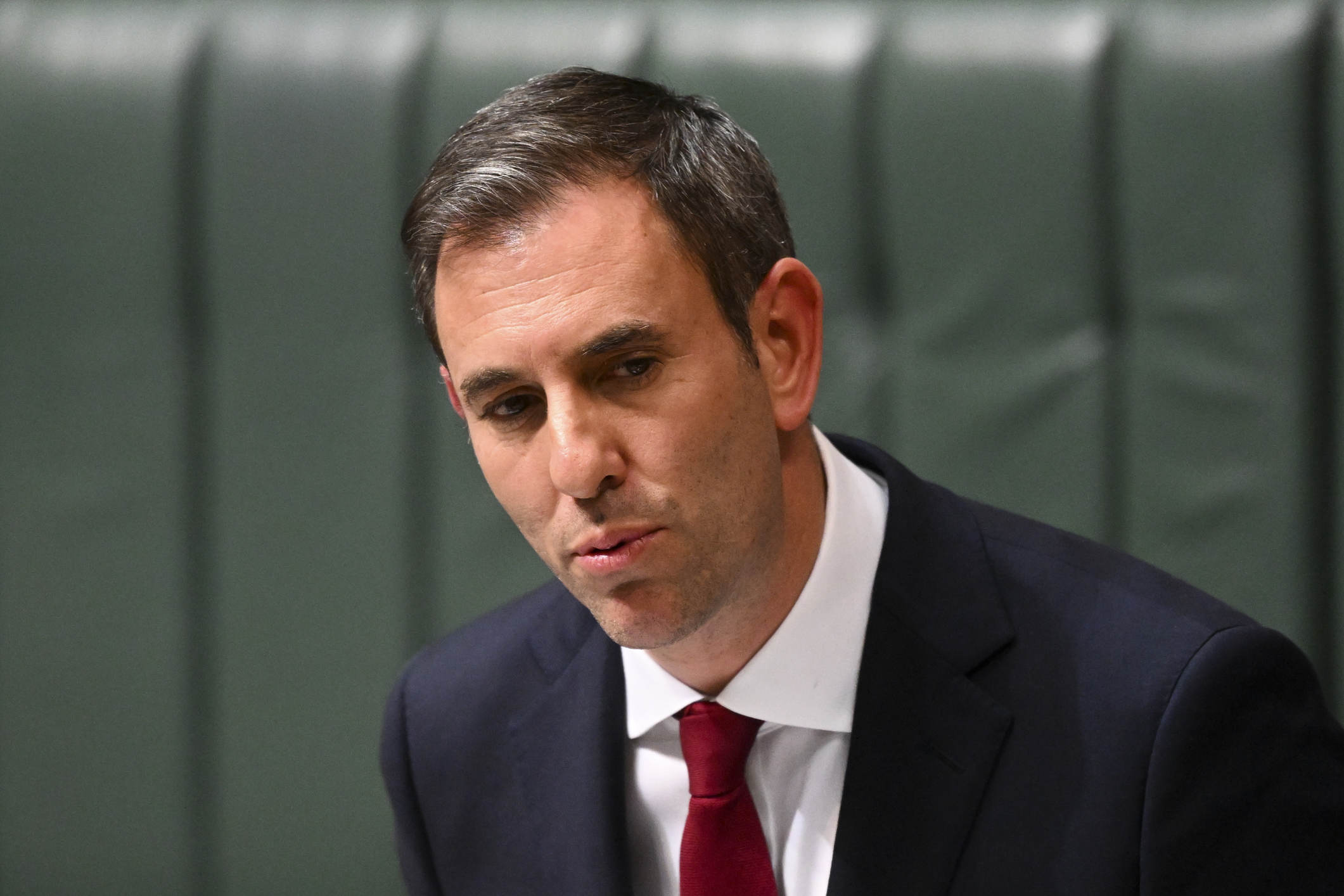
He said he was concerned for those struggling without a job and a “substantial” package was planned.
“Will there be cost-of-living relief which is broader than that what’s been speculated on? The answer to that is yes,” he said.
“What people will see on Tuesday night is a budget that strikes a really good balance between what we need to do to help people right now and what we need to do to set this country up for the future.”
Mr Wallace said the government had to look at its priorities.
“Unfortunately, we already know the federal Labor government will review the 10-year, $120 billion infrastructure pipeline, which will delay vital projects and put a handbrake on economic growth and puts Sunshine Coast projects for heavy rail and Bruce Highway upgrades at risk,” he said.
“I will also be particularly interested in whether key spending is made to boost mental health in the way of ongoing funding for lifesaving programs in areas like eating disorder prevention, veteran wellbeing, youth support and suicide prevention.”
Greens social services spokesperson Janet Rice said there was enough money in the budget for a generous JobSeeker rise.
“Poverty is a political choice and the Labor government is spending $368 billion on nuclear submarines and $254 billion on tax cuts for the rich, instead of doing the bare minimum for people in a cost-of-living crisis,” she said.
Tomorrow Movement’s Jas Walker said many young people were struggling to pay rent and bills as well as for food and health care.
“If the government doesn’t raise income support for all, including Youth Allowance, rent assistance and disability support payments, this budget will keep thousands of Australians in poverty,” she said.
New analysis suggested the budget is in much better shape than expected, thanks to stubbornly high commodity prices, strong population growth and the rock-solid jobs market.
Related story: ‘Spiralling’ demand for help as living costs increase
Independent economist and budget expert Chris Richardson said the federal government was likely to record a $7.5 billion deficit in this financial year – a $29.2 billion improvement on the October budget forecasts.
But the total interest bill on federal government debt was expected to add up to about $110 billion across the next five years.
Acting Prime Minister Richard Marles said the bill was adding real pressure to the budget.
“It’s there. We have to work with it,” he told Nine’s Today Show on Friday.
And Dr Chalmers said the cost of servicing debt was one of the fastest-growing pressures on the budget.
Other major areas of spending include defence, health, aged care and the National Disability Insurance Scheme. The government will extend the Medicare rebate for heart check-ups to mid-2025.
Labor has committed $55 billion over the next four years to make childcare more affordable for 1.2 million families.
“Cheaper childcare will make life easier for a lot of families in a way that doesn’t add substantially to the inflation challenge in our economy,” the treasurer said.

What we know about the budget so far
Budget position
* Potential for a slim surplus, given the underlying cash balance for the 12 months to March was $1.034 billion.
* Treasury says persistent deficits of about two per cent of GDP are projected. The deficit for 2022/23 was $11.2 billion at the end of March, against the October budget prediction of $33.4 billion.
* Government debt is just under $900 billion, with an expected interest bill of $110 billion over five years.
* Treasury expects a small increase in real wages in 2023/24, reflecting the combination of rising wages and falling inflation.
* Growth to slow to 1.25 per cent in 2023/24 as cost-of-living pressures and rising interest rates increasingly weigh on consumption.
* Net overseas migration numbers are being boosted by international students and working holiday makers.
* Several payments are growing faster than the economy including interest on government debt and growing spending on the NDIS, health, aged care and defence.
* Expecting to see initial work on improving the cost effectiveness and productivity of government services and government-funded services, to help the budget bottom line.
Spending
* Defence funding reshuffle following the Defence Strategic Review and AUKUS submarines deal.
* $3 billion in energy bill relief, including deals with each of the states and territories. This will be helped by the gas market intervention which Treasury expects to ease price rises to 18 per cent and four per cent over two years (rather than 20 per cent in both years).
* Possible boost in support for single parents and the older unemployed.
* Support for small businesses.
* Aged care budget to rise from $24.8 billion to $29.6 billion, with the figure hitting $35.8 billion by 2025/26.
* 15 per cent pay rise for aged care workers at a cost of $11.3 billion over four years.
* Child Care Subsidy to cost $55.31 billion over four years.
* $535.3 million towards the nine National Collecting Institutions – such as the National Library and National Gallery of Australia – over four years.
* $163.4 million for the Australian Institute of Marine Science.
* Medicines changes – from September 1, general patients will be able save up to $180 a year if their medicine is able to be prescribed for 60 days, concession card holders will save up to $43.80 a year per medicine.
* $2.2 billion for Medicare reforms, including incentives for after-hours doctors.
* $737 million for programs to deal with harm caused by tobacco and vaping products.
* Extra $262.3 million for national parks, including Uluru.
* $3.7 billion extra for the five-year National Skills Agreement, taking total spending to $12.8 billion.
* $2 billion for more social and affordable housing via the National Housing Finance and Investment Corporation.
* $400 million for defence force retention bonuses.
* Funding for the new National Anti-Corruption Commission and a standalone privacy commissioner.
* Review of $120 billion infrastructure project list.
Tax
* $3.3 billion increase in tobacco taxes over three years, to pay for health programs.
* Expected changes to bring in more petroleum resources rent tax revenue.
* Multinational tax avoidance crackdown continues.
* Commodity price estimates to be upgraded, having been set at a very conservative $55 a tonne for iron ore.
* Income and company tax receipts to be higher than expected.