
Sunshine Coast breast cancer patients now have access to a new surgical option closer to home, following the region’s first endoscopic bilateral mastectomy with immediate reconstruction.
Sunshine Coast Health has performed the procedure for the first time, marking a milestone in local breast cancer treatment and expanding the options available to eligible patients.
Clinical Service director for Surgical and Critical Care Dr Emilia Dauway performed the surgery at Sunshine Coast University Hospital.
The minimally invasive procedure uses a small incision of around 3cm to remove breast tissue and reconstruct the breasts with implants.
The benefits of using this technique include fewer operations, reduced scarring and shorter hospital stays for patients.
“It’s an exciting time for breast cancer treatment because we are personalising treatment to each patient and giving them more options to make informed decisions about their care,” Dr Dauway said.
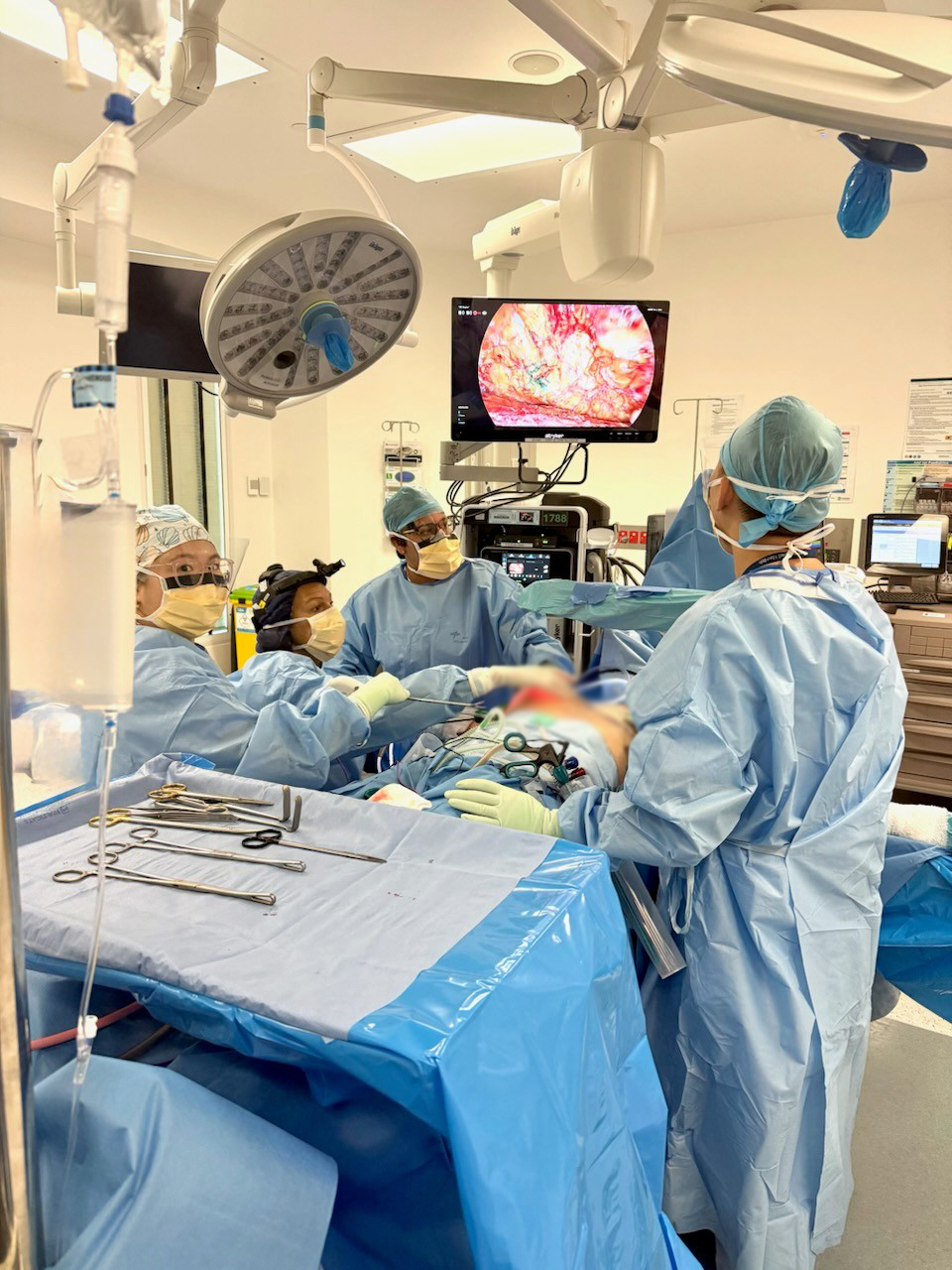
Dr Dauway said the milestone was an important step in expanding access to innovative breast cancer treatment through the public health system.
“It’s really important that these approaches are offered not just privately, but in the public system, so we can maintain health equity and allow patients to access new approaches and technology,” she said.
The first patient to undergo the procedure at Sunshine Coast University Hospital had early-stage breast cancer in one breast and chose to have both breasts removed, with immediate reconstruction.
Do you have an opinion to share? Submit a Letter to the Editor at Sunshine Coast News via news@sunshinecoastnews.com.au. You must include your name and suburb.
Clinical nurse Amanda Edwards said the procedure highlighted the expertise of the hospital’s surgical and nursing teams.
“It’s exciting to be able to bring new technology together with techniques we already know and offer the Sunshine Coast community the same opportunities available in metropolitan hospitals,” she said.
Ms Edwards said access to advanced treatment locally could also ease the financial and emotional burden of travelling to Brisbane.
“People don’t have to travel to major cities, sit in highway traffic and pay for parking and other expenses when they can access treatment closer to home,” she said.
“The impact that travel can have on families is huge, so it’s really rewarding to be part of a team that is bringing these opportunities to our community.”
Dr Dauway said treatment options were tailored to each patient’s circumstances and encouraged women to participate in breast screening, as early detection can provide more treatment choices.