

Dogs have been prohibited from a section of a Sunshine Coast beach for seven months to give threatened migratory shorebirds space to feed and rest.
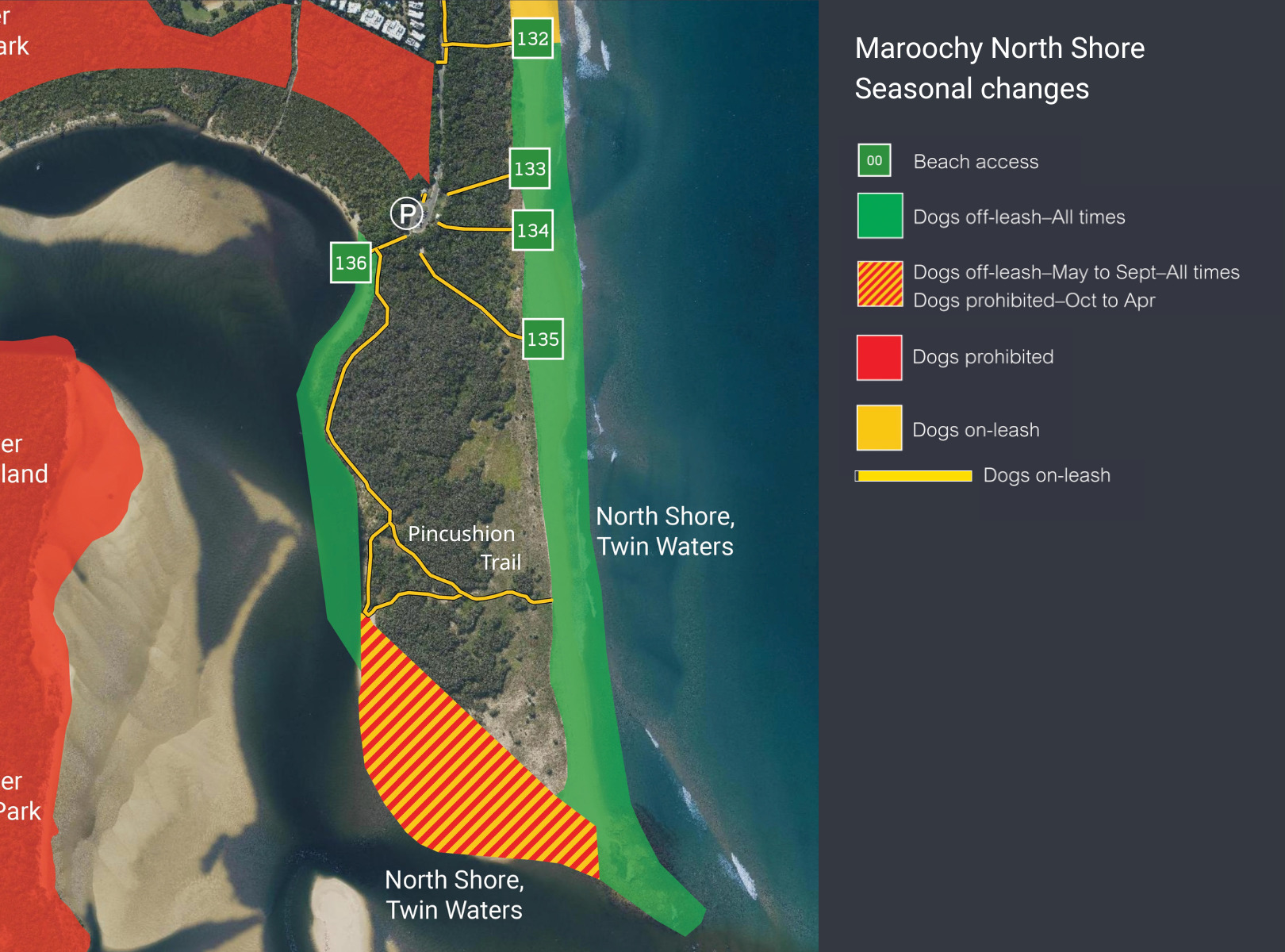
The southern area of Maroochy North Shore is now off-limits to dogs until April 30.
A Sunshine Coast Council media release stated that migratory shorebirds are the world’s most threatened group of birds, and their numbers are in steady decline.
Councillor Taylor Bunnag said the exclusion zone affected one section of the spit only.
“The entire stretch of beach, from Pincushion Island all the way north to beach access 132 is still a year-round fully dog off-leash area,” he said.
“The off-leash area on the river side of north shore at beach access 136 is also unchanged.
“To ensure dog walkers still get to enjoy the loop trail they love, council is formalising an existing goat track to create the ‘Pincushion Trail’.
“The trail features way-finding signage and takes walkers from the beach side at Pincushion Island, across the spit to the river.”
All beach access tracks and trails through the conservation area are on-leash only.
Related story: Dog owner rally against ‘complex’ rules
A council conservation officer said that, before 2006, Maroochy North Shore spit was the most important roost area for shorebirds in the lower Maroochy River catchment, with Goat Island and Nojoor Road providing an important alternative roost sites.
“Regular disturbances from people, dogs, vehicles and watercraft have made the north shore an unsuitable roost and the birds now congregate on the only remaining site at nearby Goat Island,” the officer said.
“When shorebirds are disturbed without a secondary roost to escape to, they just fly around and wait for the disturbance to pass.
“With such a short time to rest and recover their body weight, any disturbance wastes precious energy and laid down fat, hindering their ability to make the return journey to the Arctic.
“These birds are listed as threatened with one species critically endangered, and we’ve been noticing a steady decline in numbers each year.
“This is one of the key issues the seasonal exclusion zone is intended to help address.
“We’ll be carefully monitoring the success of the program and whether removing the threat of dogs will encourage the birds back to North Shore. A camera will monitor the exclusion zone and provide essential data so we can better understand if and how the birds use the site.
“Conservation outcomes take time, but we’re hopeful the seasonal exclusion zone will encourage shorebirds to reacquaint themselves with the site, with any increase in their use of the area considered a positive result.”
Council partnered with the University of Queensland and the local community in 2023, to find a solution.
More than 2000 people took part in an online and in-person study which sought to understand who used the area, where they lived, how they used North Shore and what they valued about the area.
Restricting dogs during shorebird periods was the most common suggestion for protecting migratory shorebirds, with nearly three-quarters of in-person respondents and two thirds of online respondents suggesting this as an option.
More than 85 per cent of respondents considered migratory shorebird protection as important and were keen to see more education and information about these special visitors.
This is the first year of the seasonal restrictions at Maroochy North Shore, so all changes are new.
Council stated that it will continue to build opportunities to observe and enjoy shorebirds including the annual migratory shorebird festivals, viewing sites, eco-tourism opportunities and interpretive signage.
The Sunshine Coast Shorebird Conservation Plan guides the council’s planning for resident and migratory shorebirds.
In 2022, a migratory shorebird, known only as 234684, entered the Guinness World Records for the longest recorded migration by a bird without stopping for food or rest.
The 5-month-old bar-tailed godwit, left Alaska, USA and, after 13,560km, 11 days and one hour, it arrived in Australia.
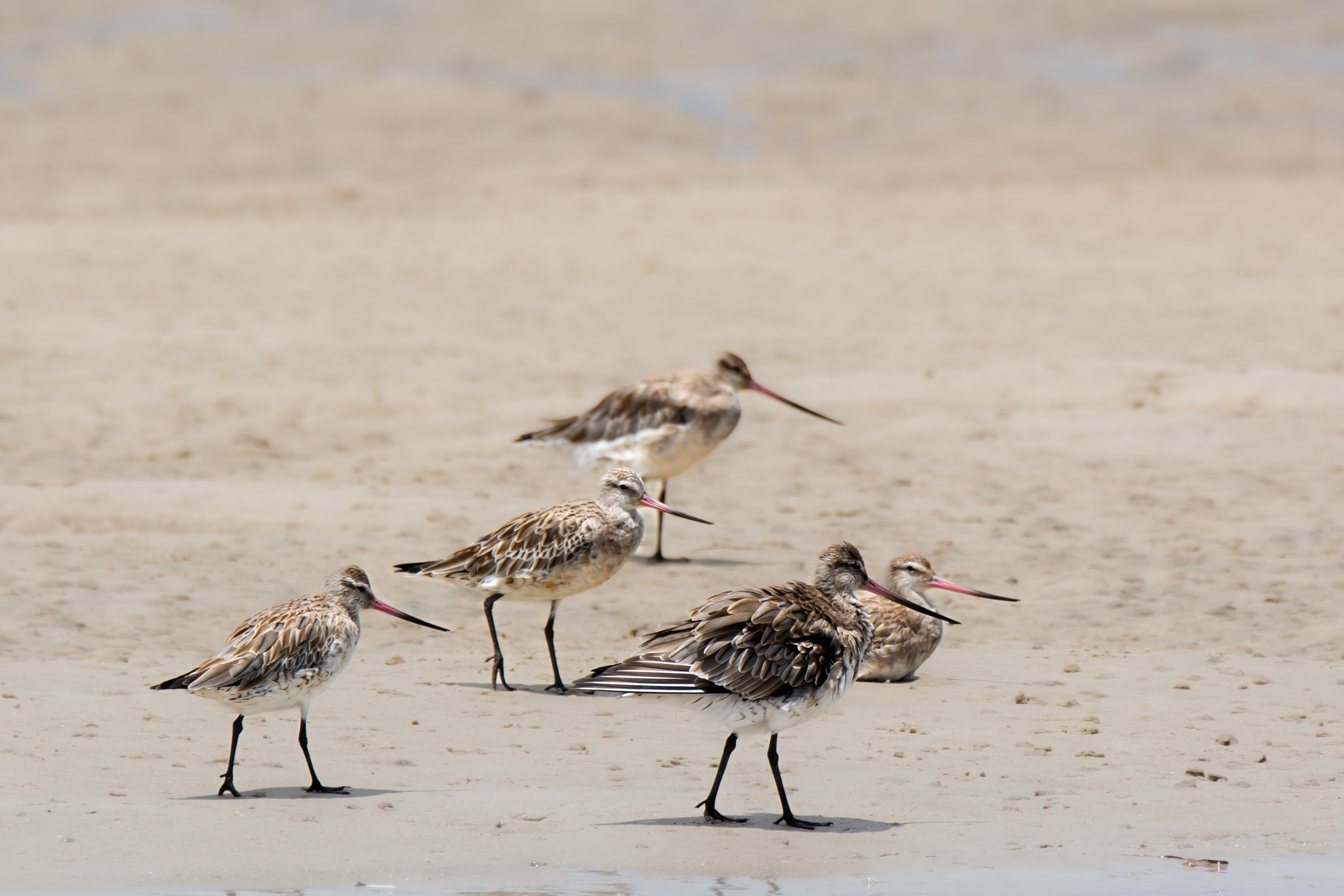
These birds have the longest non-stop migration of any bird species in the world and they join flocks of others who choose the Sunshine Coast.
Bar-tailed godwits can shrink the size of their internal organs to make way for energy-rich fat, which sustains them during their epic flights.
Before they leave Alaska, they feed for two months, with males almost doubling in size.
Like stories that inform, connect and celebrate the Sunshine Coast? So do we. Join an independent local news revolution by subscribing to our FREE daily news feed at the bottom of this article.
Airborne during day and night, they may burn through more than half of their body weight.
While flying, they can boost the size of their chest muscles and heart to aid the distribution of energy and oxygen.
During breeding season, male bar-tailed godwits can produce nine different vocalisations and will aggressively confront and attack predators on their nesting grounds.
In Australia they dine on molluscs, crustaceans, worms, and seeds on intertidal sandbanks.
Migratory shorebirds
- Far eastern curlew (Numenius madagascariensis): The world’s largest migratory shorebirds are critically endangered and are easily recognised by their long, curved bill. They travel from Russia and China to Australia.
- Whimbrel (Numenius phaeopus): These commonly seen medium-large shorebirds migrate from Siberia and Alaska. They use their long, curved bill to probe for worm and crabs on the sand banks during long tide. Whimbrels can be distinguished from Far eastern curlews by their smaller size and shorter bill.
- Pacific golden plover (Pluvialis fulva): These medium sized shorebirds with a short bill migrate from Alaska. They are often seen feeding on sand banks during low tide.
- Red-necked stint (Calidris ruficollis): The smallest shorebirds visiting Australia travel from Siberia and Alaska and weigh little more than a Tim Tam. They can be seen running around the sandbanks on their short legs, probing the sand with their short beak.
- Wandering tattler (Tringa incana): These uncommon visitors migrate from Siberia, Alaska, and Canada to Australian shores around September. They are found on rocky coasts where they forage among the rocks and in shallow pools for worms, mussels and crabs.