

Sunshine Coast Council has unveiled its 2026/2027 budget, increasing rates and tightening its belt after “significant operating deficits” were identified.
Mayor Rosanna Natoli said the $1.066 billion budget included “tough decisions”, adding that the council’s “financial performance needed to lift” to “fix” the past. She also said cuts could be made within council.
But the budget also included some funding for key projects and services across the region.
“Getting the finances right, showing strong financial stewardship, is not easy, but it is the right thing to do,” she said.
There will be an overall rates increase of $4.26 a week for most owner-occupier ratepayers, which is up $221.68 (9.7 per cent) on 2025-26.
The state government’s recent land revaluation saw an average increase of 24 per cent across the region.
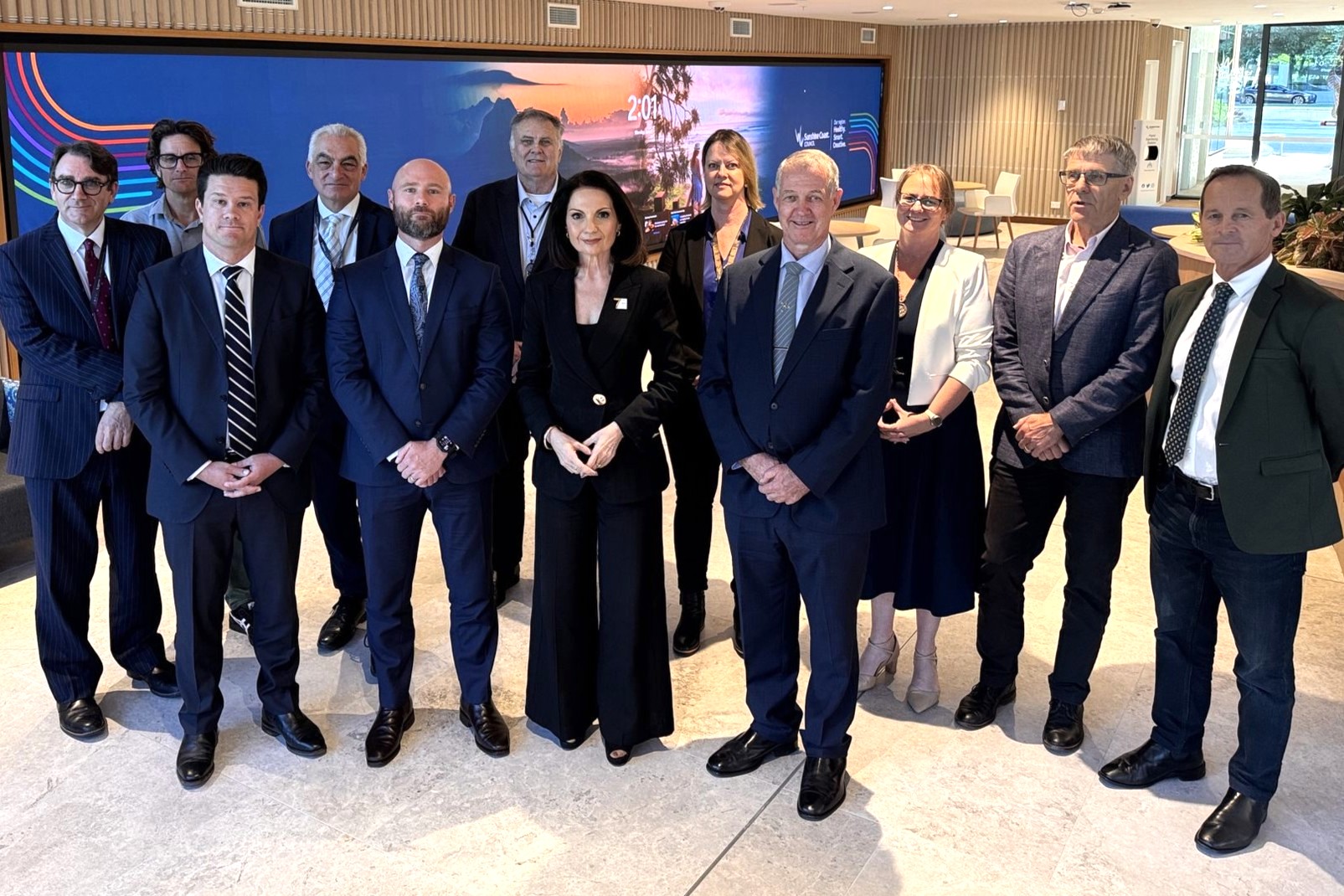
Mayor Natoli said that the council was operating in a difficult financial environment.
“The cost of building anything, running services, maintaining infrastructure, paying people fairly: it has all increased in ways that were difficult to predict and impossible to avoid,” she said.
“This is not unique to the Sunshine Coast. It is not unique to local government. Every council in Australia, every state government, the federal government, every business, large and small, every single household, has confronted the same reality.
“Delivering the services our community relies on now costs almost 30 per cent more than it did four years ago.
“Construction projects have also been impacted with costings rising more than 60 per cent over that period.”
Mayor Natoli said the council had taken a closer look at all operations to see how it could improve efficiency.
“Through this process, it also became clear Council’s financial performance needed to lift,” she said.
“Significant operating deficits were identified over the past five years. Put simply, council had been spending beyond its means.
“We are not here to relitigate the past. We are here to fix it.
“Our goal is a balanced budget, so we can keep delivering the services our community needs and sustainably for the long term.
“This budget contains tough decisions. We need to manage our resources responsibly even in challenging times.
“Rates will rise and council will tighten its belt.”
The mayor said, in an interview after the budget was released, that there was a $13 million deficit in the 2025-2026 financial year and a projected $7 million deficit in the 2026-2027 financial year, “increasing (from a combined $20 million) to $30 million-plus if you’re looking at depreciation”.
“The construction costs, the fuel costs, the geopolitical climate we find ourselves in now, we couldn’t have planned for that.”
She said there could be cuts within council.
“We’re looking at being leaner and looking at being more disciplined,” she said.
“That is what the CEO (John Baker) will work with the organisation to deliver. All of those details will be to light in the next days, weeks and throughout the year.
“There has been a hiring freeze for more than a year … that will continue. It’s tough.
Mayor Natoli also said the council must ensure the lifestyle of the growing community was protected and enhanced as the population grew from 375,000 people to more than 509,000 by 2041.
“The Sunshine Coast is not simply a growing region. It is a region on the cusp of something genuinely significant,” she said.
“In just over six years, we will co-host the Olympic and Paralympic Games. The eyes of the world will turn toward us, and what they see here will matter.
“But the legacy of 2032 is not built in 2032. It is shaped by budgets like this one. In the infrastructure we commit to now. In the financial discipline that ensures we arrive at that moment as a Council and a community with the capacity to seize it.’’
Mayor Natoli said that many benefits would flow across the region with a range of projects and initiatives that would improve our lives, better connect communities and boost health and wellbeing.
“Council has allocated $27 million in this year’s budget to reseal and renew roads across our 2600km network, making it smoother and safer to travel,” she said.
Do you have an opinion to share? Submit a Letter to the Editor at Sunshine Coast News via news@sunshinecoastnews.com.au. You must include your name and suburb.
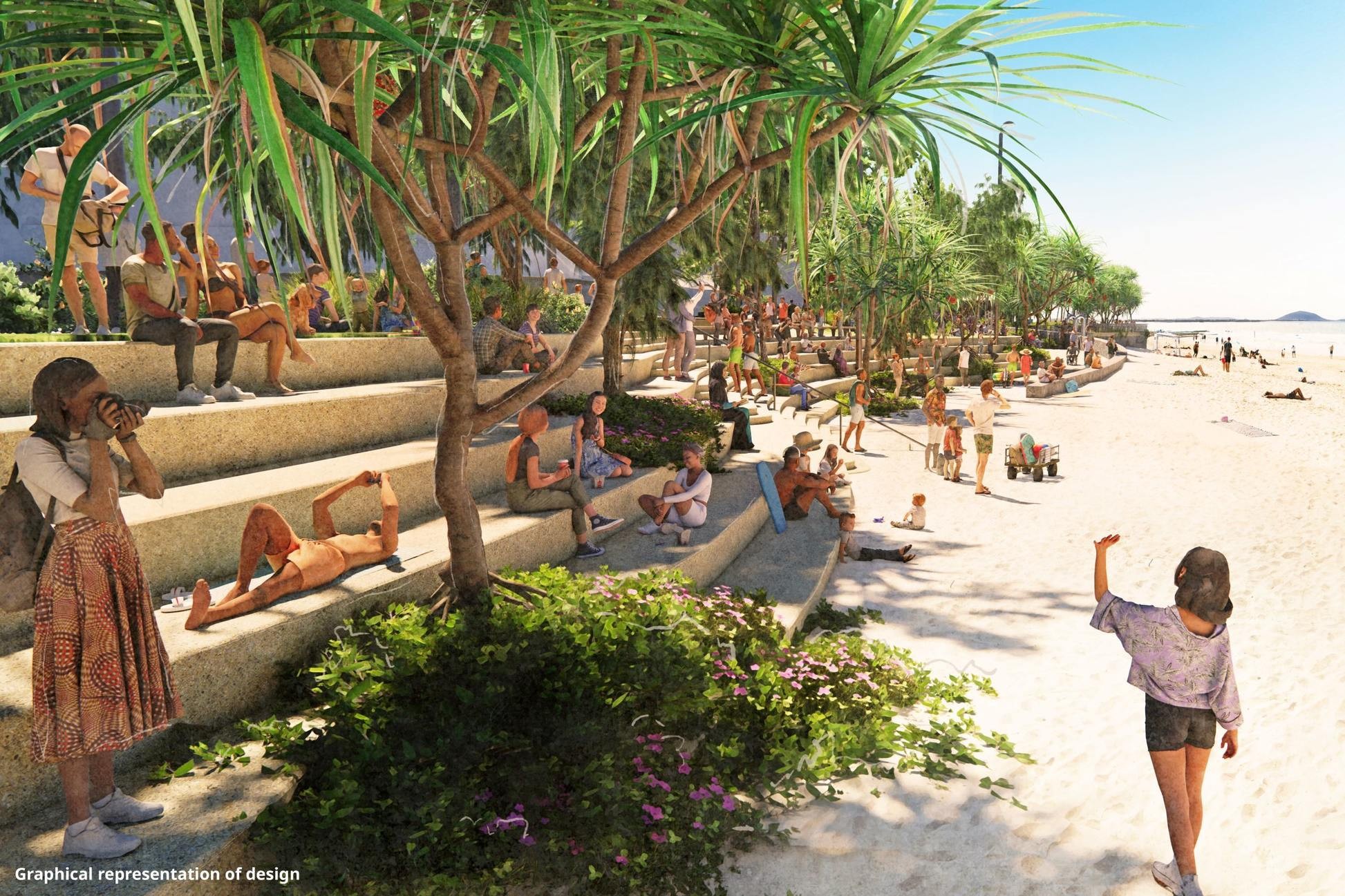
There is funding for major projects including the Caloundra Transport Corridor Upgrade, the Mooloolaba Foreshore Revitalisation project, the First Avenue Maroochydore Upgrade and the Honey Farm Road Sports Precinct, along with smoother roads.
Mayor Natoli also said the budget includes boosts to pensioner concessions and for people doing it tough.
See the council’s website for more.
Budget at a glance
- $296 million total Capital Works program
- $4.26 a week overall increase for the majority of owner-occupier ratepayers ($221.68 for the year, up 9.7 per cent)
- Levy programs – no increase for 2026-27 for the Environment Levy $82 and Arts and Heritage Levy $20, an 8c increase to the Transport Levy to $44
- 5 per cent increase in Pensioner Concession (taking it to $343 a year for a single person on a full pension and $268 for a couple)
- $27 million (including $6.9 million from the Australian Government) for the Road Reseal and Pavement Rehabilitation Program, improving roads across the region
- $22.4 million for protecting and maintaining waterways, wetlands and coastline
- $18.7 million for popular libraries
- $7 million for lifeguarding services with 124 lifeguards employed to keep locals and visitors safe at 21 patrolled locations from North Coolum to Bulcock Beach
- $7.3 million to support major events and tourism that boosts the local economy and creates jobs
- $6 million investment in 218 park renewal projects
- $5 million for the Vulnerable Pedestrian Program, investing in paths and crossings to make walking safer, more accessible and inclusive for children, the elderly, vision and mobility impaired
- $4.7 million for community partnerships and grants
- $3.4 million investment in conservation and environmental partnerships with the community
- $1.7 million for Disaster Management and Resilience, helping the region prepare for and recover from storms, flooding, cyclones and bushfires
- $900,000 for education programs aimed at reducing waste and promoting recycling.
These figures reflect the project’s budget allocations for construction over multiple years.