
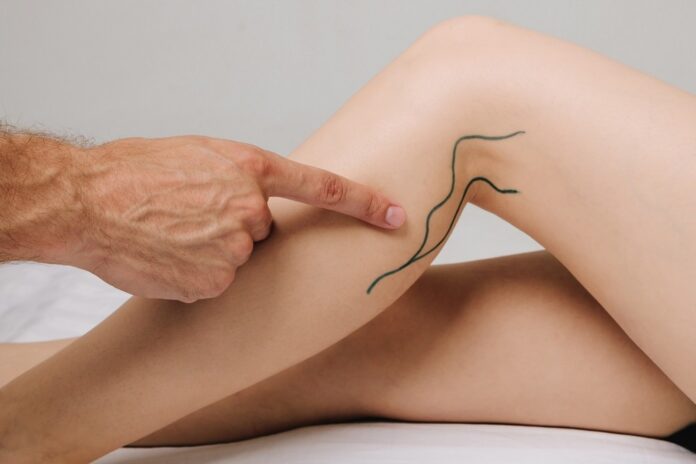
A University of the Sunshine Coast trial has found that a widely available foot muscle stimulation device could significantly improve symptoms in people with peripheral artery disease (PAD) – a condition that reduces blood flow to the legs.
PAD occurs when arteries in the legs become blocked, with symptoms ranging from pain and difficulty walking to, in severe cases, gangrene and amputation. It also carries a high risk of heart attack or stroke.
Funded by UK-based parent company Actegy, the UniSC FootPAD study independently assessed the Revitive Circulation Booster device in individuals living with the vascular condition.
While the therapy did not initially increase participants’ total walking distance during a six-minute test, it did result in substantial improvements in pain-free walking and symptom relief.
“This is the first time this device has been evaluated in a randomised placebo-controlled trial in people with PAD, and the results are very encouraging,” said UniSC Professor of Clinical Physiology Christopher Askew, who led the study.
“After 12 weeks of using the device, we saw meaningful improvements in how far patients could walk without pain – a major determinant of quality of life for those living with vascular disease.
“Interestingly, some weeks after they stopped using the device, patients demonstrated that they could actually walk further – which indicates that early reduction in their symptoms may have improved their exercise capacity.”
Want more free local news? Follow Sunshine Coast News on Facebook, LinkedIn and Instagram, and sign up for our FREE daily news email.
Professor Askew emphasised that exercise therapy remains the gold standard treatment for PAD, with structured walking programs shown to improve vascular health and mobility.
However, he noted that many patients struggle to begin or maintain structured exercise programs due to pain and discomfort.
“This device may act as a primer or stepping stone to exercise programs,” Professor Askew said.
“By reducing symptoms, it could help patients engage more confidently in physical activity, which is ultimately the most effective long-term strategy.
“It is not a replacement for walking, though the therapy does mimic some of the effects of exercise by using neuromuscular electrical stimulation to elicit muscle contractions.
“But it may help bridge the gap for patients who are unable to start or sustain traditional exercise programs.”
The findings were presented as a late-breaking clinical trial at the American Heart Association’s 2025 Scientific Sessions, a prestigious platform reserved for studies with the potential to influence clinical practice.
“This recognition reflects the strength of the data and the importance of testing therapies in real-world patient populations,” Professor Askew said.
“It also highlights the value of academic–industry collaboration when conducted with scientific independence.”