
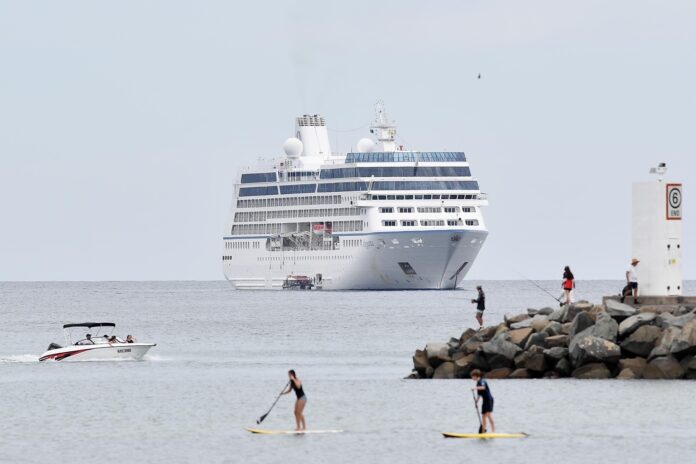
There are no plans to expand the infrastructure needed to accommodate bigger vessels on the Sunshine Coast despite rapid population growth and a push for superyacht visitation.
Sunshine Coast Council and the state government said there were no projects or timeframes to expand the region’s capacity for cruise and cargo ships, commercial fishing vessels and superyachts.
Access to the main harbour at Mooloolaba is restricted to vessels up to 35m in length and 15m in beam and is impacted by a problematic river mouth. Cruise ships are forced to anchor offshore and transfer passengers by tender, conditions permitting.
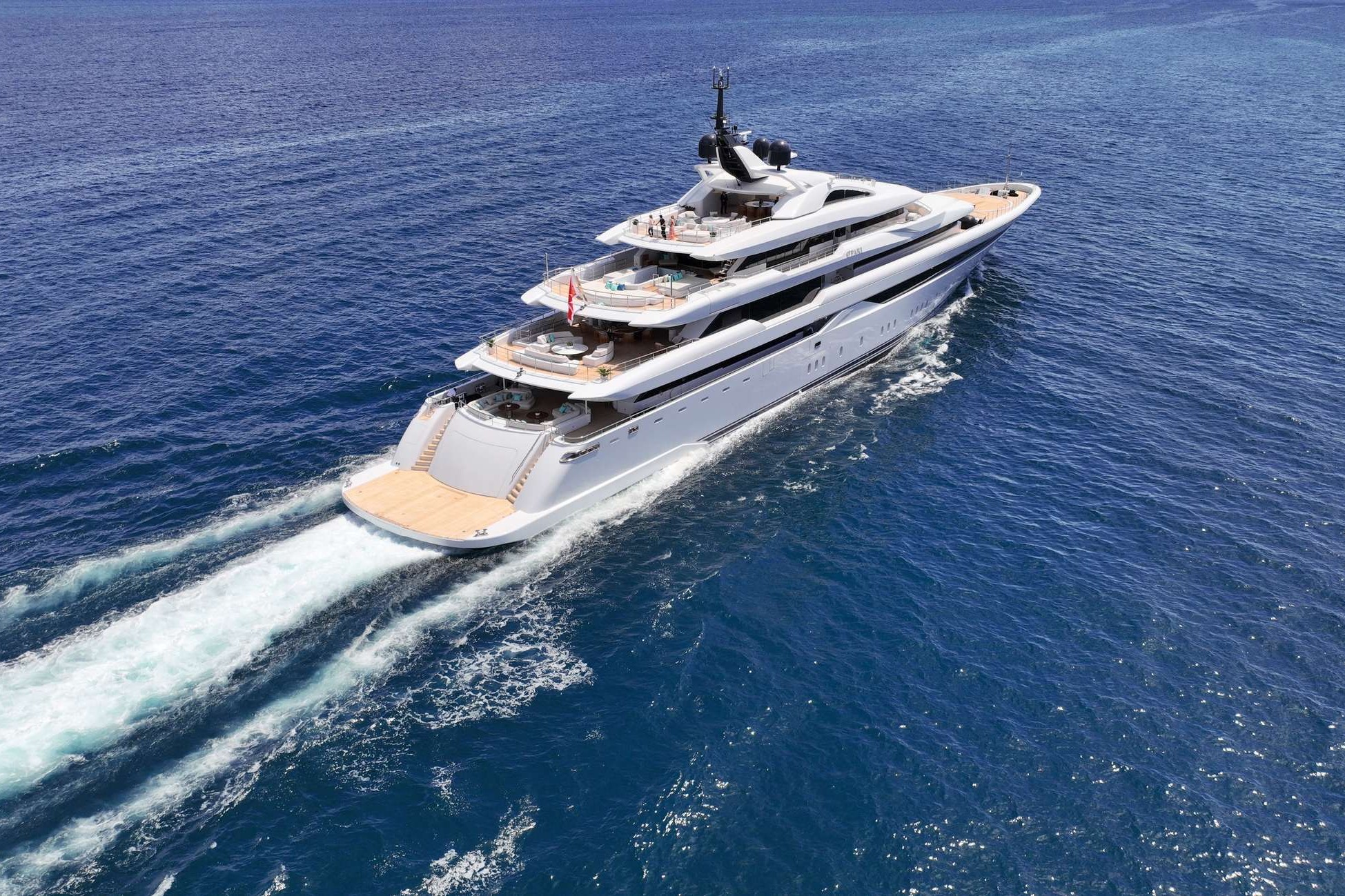
The Brisbane 2032 Marine Project – an initiative backed by peak marine bodies – seeks to increase superyacht visitation to Queensland, with proponents highlighting the potential economic benefits of attracting more international vessels ahead of the Games.
A council spokesperson said a meeting with project representatives provided an opportunity for local authorities “to better understand the project and its objectives”.
The spokesperson also said the council was aware of “broader discussions occurring across the marine sector regarding opportunities associated with larger vessel visitation”.
But there is little movement on the matter, after Sunshine Coast News asked the council if there were any short, medium or long-term plans to attract bigger boats and ships.
“At this stage, council does not have any adopted plans, projects or timeframes relating to attracting larger vessel classes, including superyachts, cruise ships, cargo ships or commercial fishing vessels or developing infrastructure specifically for superyachts on the Sunshine Coast.
“Council acknowledges that proponents of larger vessel infrastructure identify potential economic benefits through increased visitor expenditure, demand for marine services, hospitality, accommodation and tourism experiences.
“The Queensland Government’s Superyacht Strategy similarly identified opportunities for economic activity associated with the marine sector. However, council has not undertaken its own assessment of the potential economic benefits of any specific proposal and is therefore not able to comment on projected impacts.
“There are no formal next steps or council commitments arising from that meeting (with Brisbane 2032 Marine Project representatives). Council has not had discussions with the Queensland Government regarding any specific Sunshine Coast superyacht infrastructure proposals.”
A media release from project representatives warned that Queensland risks missing out on a lucrative superyacht market.
“The current shortage of suitable berths may result in vessels bypassing Queensland and moving to other Australian states or even New Zealand.”
“Independent modelling by AEC Group projects that more than 200 additional international superyachts will visit Australia in connection with the Brisbane 2032 Olympics, generating an estimated $1.8 billion in national economic output and supporting more than 7600 jobs.
“Queensland is expected to capture more than 60 per cent of this expenditure. For the Sunshine Coast, this means expenditure and jobs flowing to local marine service providers, tourism operators and hospitality businesses.
“With strong local capability, existing marine expertise and a clear opportunity to capture a greater share of the international superyacht market, the Sunshine Coast is well positioned to play an important role in Queensland’s future marine economy.”
Private marinas on the Sunshine Coast are generally limited to vessels up to 18m at Mooloolaba Marina, up to 21m at The Wharf Marina Mooloolaba, and up to 23m at Kawana Waters Marina. There are no dedicated superyacht berths on the Sunshine Coast capable of accommodating vessels greater than 35m in length.
Help us deliver more news by registering for our FREE daily news feed. All it requires is your email at the bottom of this article.
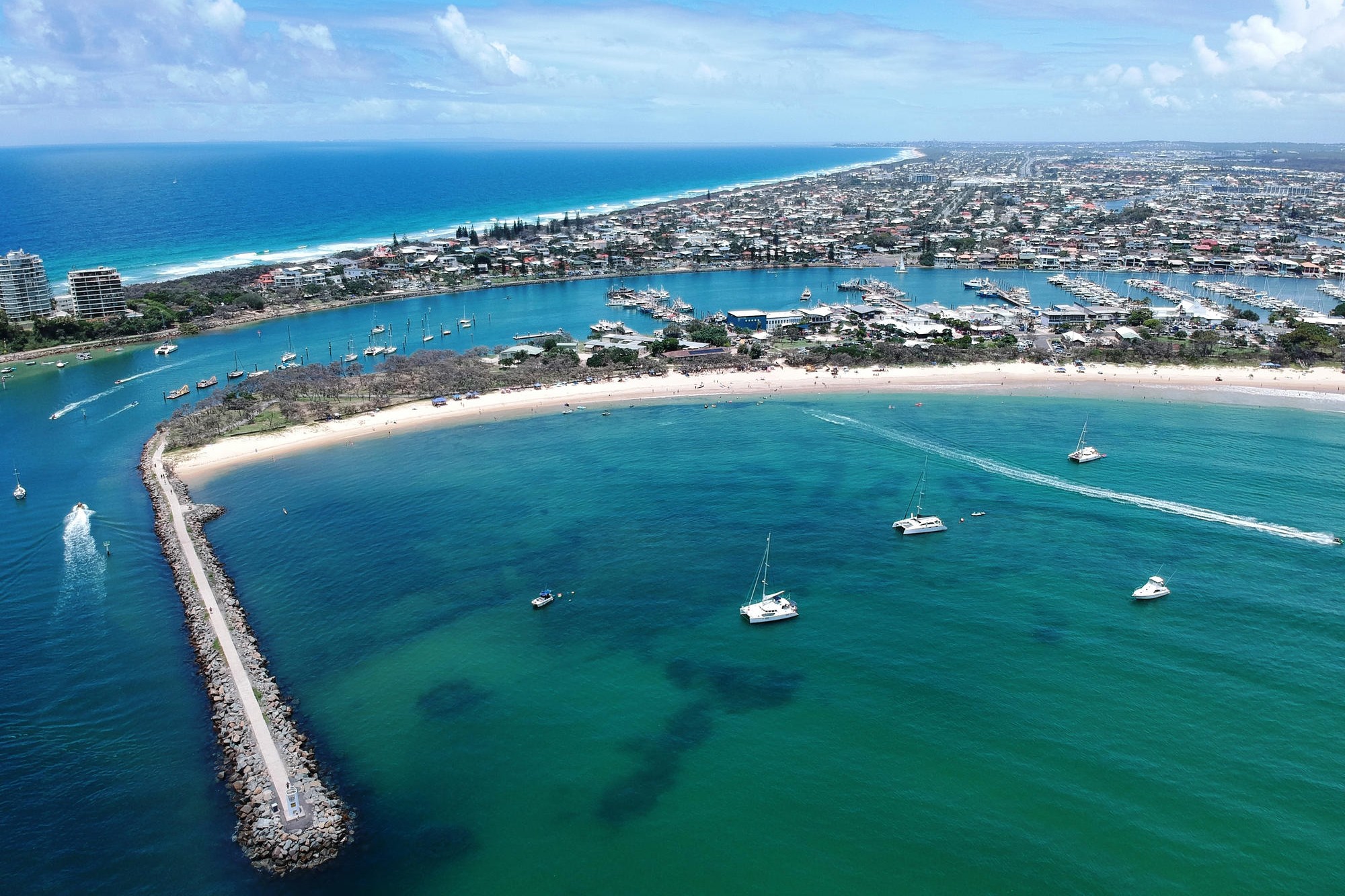
A Maritime Safety Queensland spokesperson said the Sunshine Coast waterways system’s ability to accommodate larger vessels was “influenced by a range of navigational and operational factors, including channel dimensions, vessel draft requirements and available marine infrastructure”.
“Skippers should always assess these factors and familiarise themselves with local conditions, charts, notices and any navigation restrictions before attempting to enter an unfamiliar waterway.
“Any future proposals to increase capacity for larger vessels would require consideration of these factors, along with environmental, planning and investment requirements, in consultation with other relevant stakeholders.”
The lack of plans comes amid rapid growth in the region. The population was expected to increase from 366,000 people in 2021 to 540,000 people in 2040.
The Sunshine Coast is also regarded as one of Queensland’s top tourism destinations and is a hub for commercial fishing.