
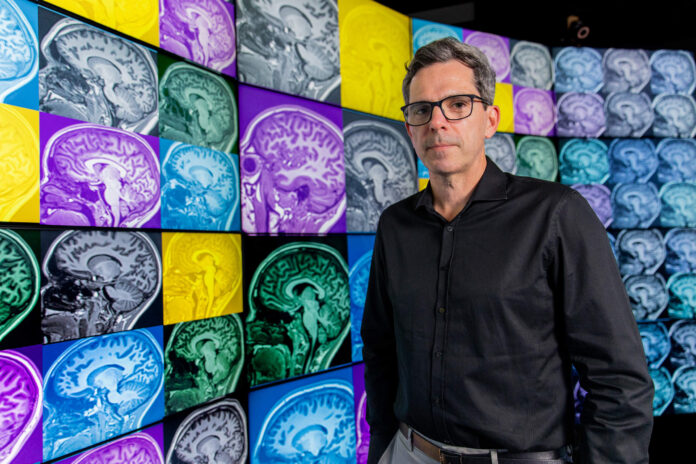
A Sunshine Coast professor has just published research suggesting the future of preventative mental health could lie in giving 12-year-olds brain scans, as the first participants of the study ‘graduate’.
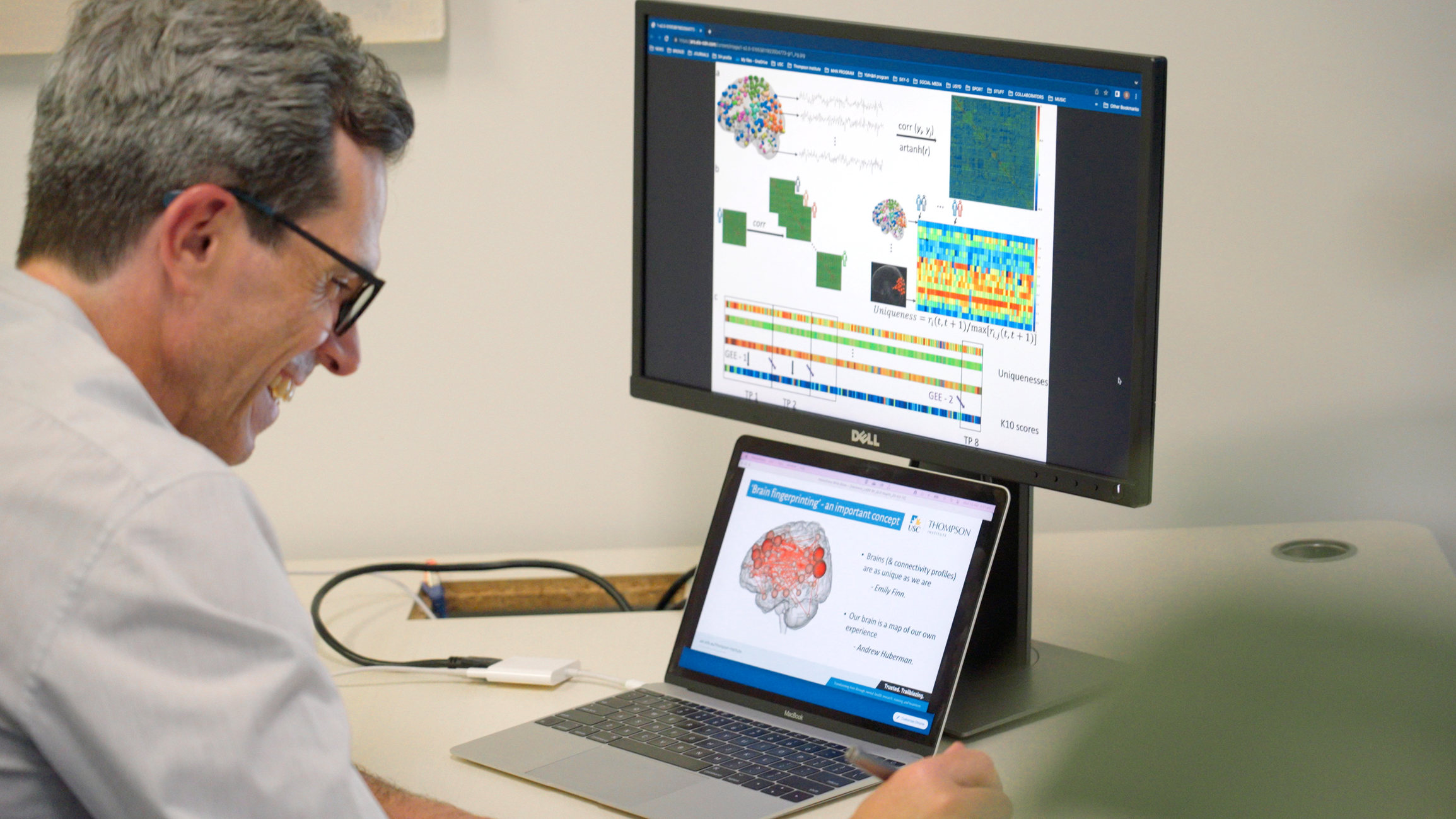
Professor Daniel Hermens, who leads the Longitudinal Adolescent Brain Study (LABS) at UniSC’s Thompson Institute, wrote a key report about brain fingerprinting and how it was a promising future application for predicting mental illness.
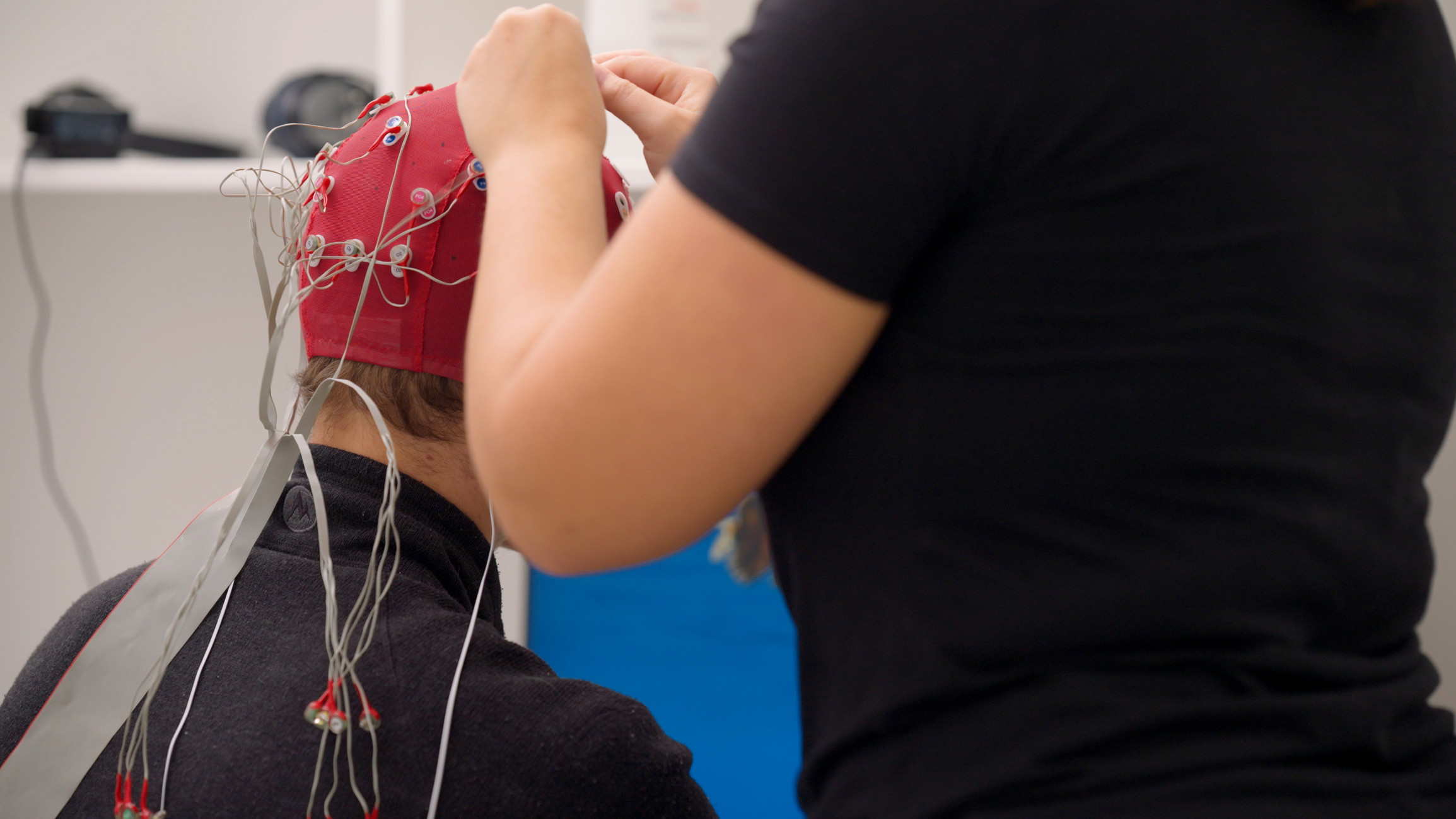
Professor Hermens and other neuroscientists from the institute recently established that mapping the ‘uniqueness’ of an adolescent’s brain development using brain-fingerprinting might indicate whether they’ll experience mental health problems in the future.
As predictive modelling continues to advance in conjunction with AI, he believes this could one day be as commonplace as bowel cancer screening for 50-year-olds.
“With brain fingerprinting, we’ve established MRIs already have the capability of screening for mental health risk factors,” he said.
“This is only going to improve in the future, as the way we detect and track mental illness advances with wearable technology and developments in AI.
“Once brain scans can reliably predict mental health problems at early stages, I think there’s a case to be made for subsidising and increasing access to brain scans, given the huge burden and financial cost to Australia.”
The Australian Productivity Commission puts the cost of mental ill health and suicide at around $200b to $220b per year.
It is estimated that adolescent-onset mental illness has an economic cost up to 10 times higher than adult-onset illnesses.
Assistant Minister for Mental Health and Suicide Prevention Emma McBride said research like LABS was important to furthering understanding of youth mental health.
“We know the pandemic has had a significant impact on the mental health of young people. The Australian Government is committed to improving our systems of care to make sure all Australians can assess the support they need,” she said.
“While many different factors can lead to mental ill health, it’s positive to see the work being done through the Longitudinal Adolescent Brain Study, to better understand how we can predict mental ill health at the early stages of a young person’s development.”
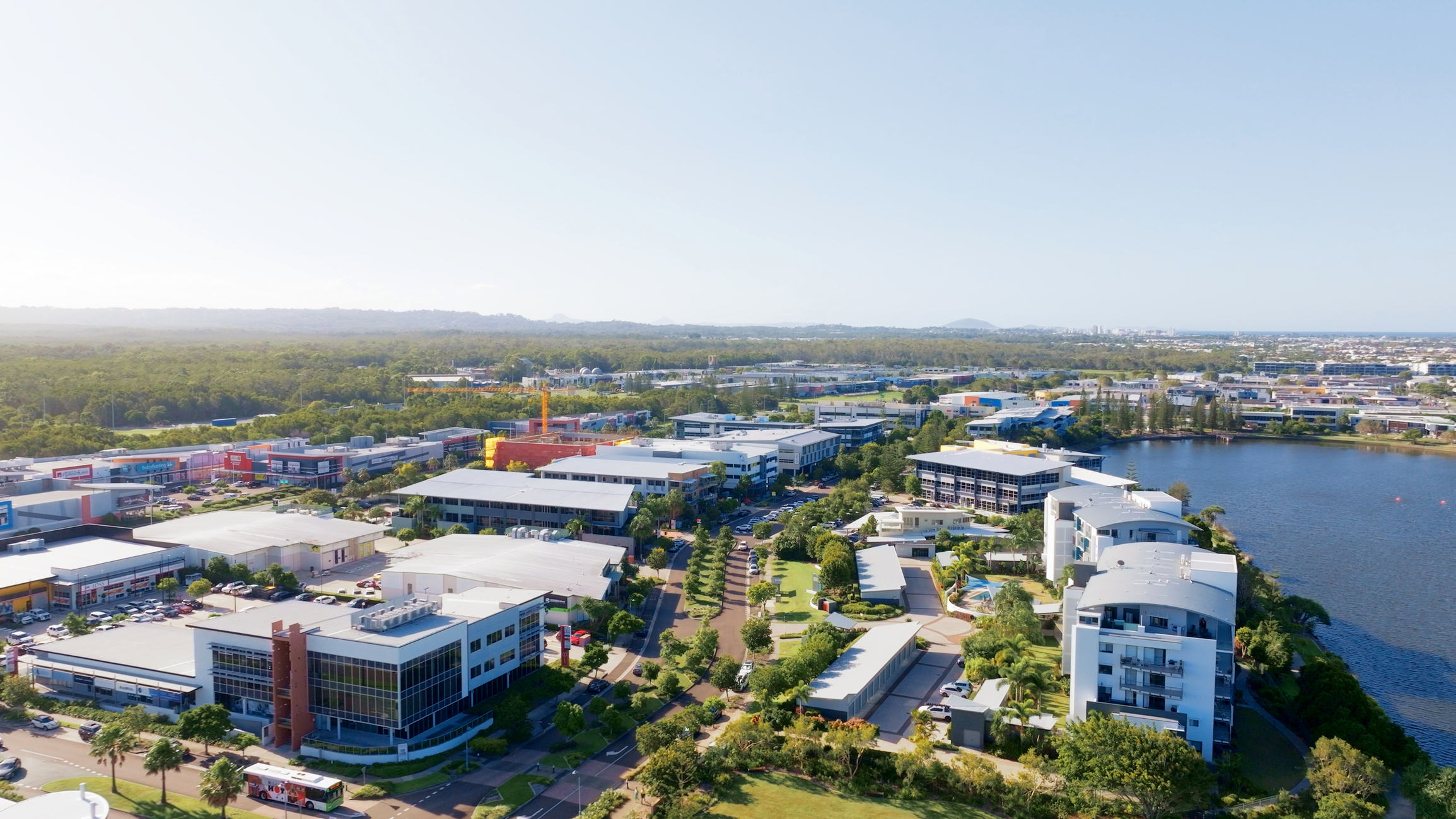
The research comes at a milestone moment for LABS, which is celebrating its fifth birthday.
The original 12-year-old participants who joined back in 2018 are now ‘graduating’ from the study and preparing to enter adulthood.
Over the past five years, they’ve watched their brains undergo one of the most formative times in human development.
Their contribution has provided scientists with a treasure trove of data that has already fuelled ground-breaking research.
Duncan Farrelly, 16, said: “I had no idea what I was jumping into and didn’t know a lot about the brain or mental health honestly.
“Now I’m hoping to study psychology and work either as a clinician or in research. LABS has been a big part of that.”
Meanwhile, Jayah Eades, 17, said: “It’s so interesting to see how my brain has changed as I’ve gotten older and to hear how that’s helped change science.
“It’s really cool to know I’ve been a part of that.”
To mark the occasion the Thompson Institute gathered everyone involved in LABS – from participants to parents and researchers – to celebrate the success of the study so far.
The event was held in UniSC’s state-of-the-art facility The CAVE, where attendees went through a 3D-video walkthrough of the brain and took part in interactive demonstrations with some of UniSC’s neuroscientists.
Participants ‘graduating’ from the study were presented a 3D-printed model of their own brain.
“This is a chance to celebrate the people who’ve made LABS possible, the remarkable findings we’ve made and our vision for the next important discoveries about the intricate relationship between adolescent brain development and mental health outcomes,” Professor Hermens said.