

When Robyn Herries was diagnosed with a rare foot condition called ‘Cinderella disease’ she was shocked to discover she could lose a leg.
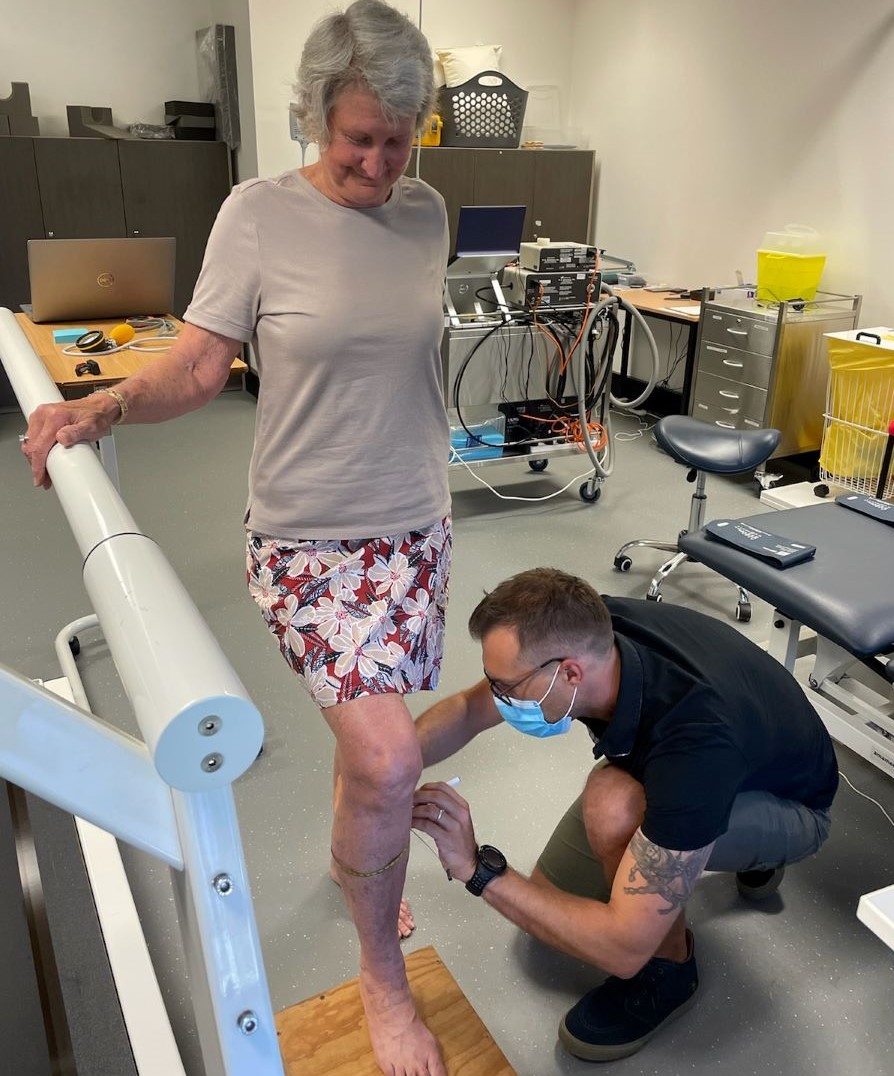
Ms Herries is among those taking part in a vital University of Sunshine Coast study, aimed at minimising the impact of peripheral arterial disease.
The condition is caused by a build-up of fatty plaques, narrowing and blockages in the arteries of the legs, resulting in a reduction of blood flow, causing leg pain and discomfort.
Gangrene can set in and amputations are required in extreme cases of the disease.
If it’s left untreated, the consequences could be even worse, including potentially fatal strokes and heart attacks.
While Ms Herries’ condition was painful she said “the discomfort was not too bad at the moment”.
“It doesn’t interfere too much with my life, I just can’t walk as fast and as long as I could before,” she said.
“My vesicular surgeon said walking is the best thing to do.
“It’s interesting to see what the long term treatments could end up being and whether the machine we’ve been using proves to make a difference in people’s life that have PAD.”
UniSC Associate Professor of clinical exercise physiology Christopher Askew said the disease was relatively unknown but potentially lethal.
“We describe PAD as a literal risk to life and limb,” he said.
“Most people are aware of stroke and heart disease in the community, but PAD is like the poor cousin which nobody hears about, which is why we refer to it as the ‘Cinderella disease’.
“Many people only learn about PAD when somebody they know is directly affected by it.”
He said leg muscle pain during walking and other types of activities was the first sign of the condition.

Some PAD symptoms include red discolouration on the foot, fast-forming wounds, leg pain and discomfort and swelling.
The common risk factors for the disease were older age, high blood pressure, high cholesterol, smoking, and type 2 diabetes.
Sunshine Coast nurse Gil Marconi said the condition could be anything but a fairytale, after a recent trip to her homeland of Brazil.
“My best friend’s mother developed a red discolouration on her foot,” she said.
“By the second day that had turned to blistering, by day three that had turned to one of the deepest, fastest-forming wounds I’ve ever seen.
“Within a week she had gone from hobbling around in the family business, thinking her sore foot was just a sign of old age, to developing gangrene, and a quarter of her foot needed to be amputated, including her big toe.
“It’s turned her world, and her family’s world, upside down. She’s going to have to learn to walk again, her spirits are low … ”
The only treatments available for PAD are prescribed medications that often result in side-effects, or in-clinic therapy.
But Dr Askew and his team of researchers are working with patients to find a solution for PAD and have urged other sufferers to join a new PAD study.
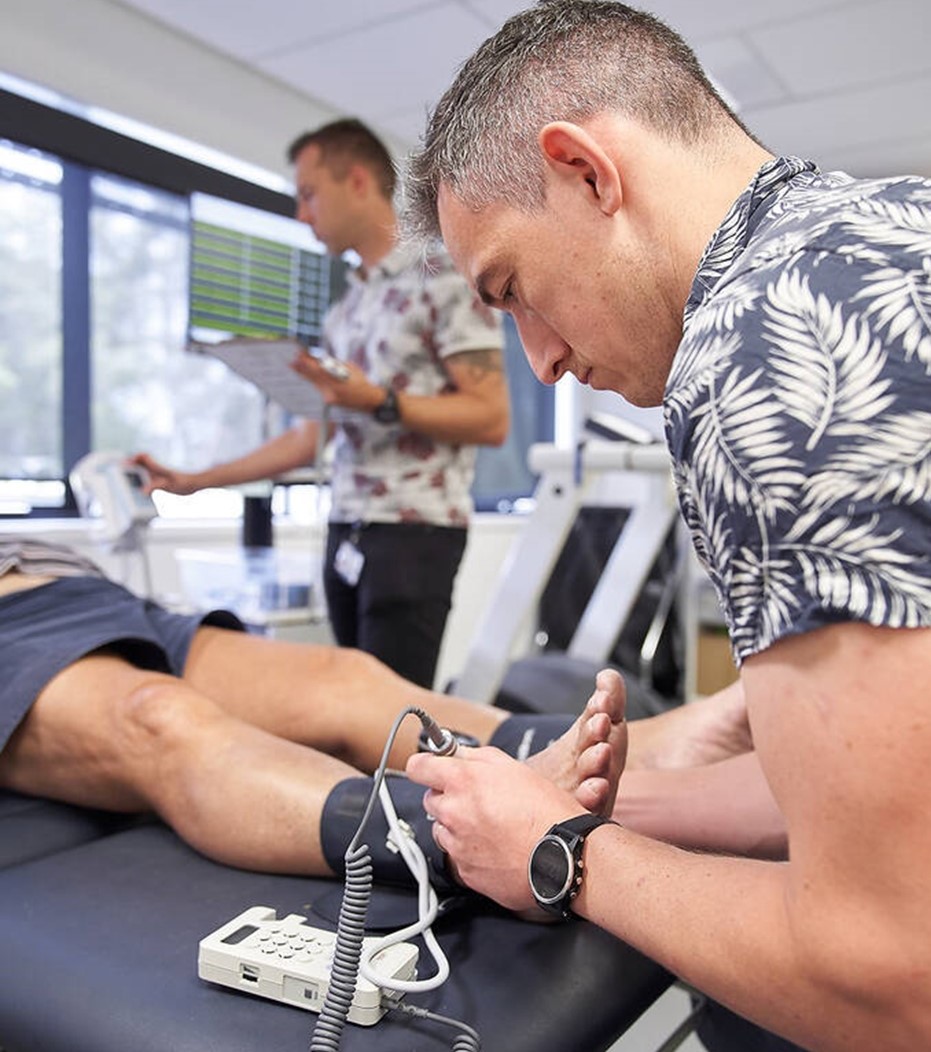
The aim of the trial was to have an impact at an earlier stage, ideally so people could become more active and less limited by the disease.
It involves testing the benefit of neuromuscular electrical stimulation using a footplate device called revitive.
The muscle stimulation is intended to promote the growth of new capillaries in the lower limbs and improve blood flow and the delivery of oxygen to the muscles.
Participants in the trial use the footplate device for two 30-minute sessions per day.
After suffering from PAD symptoms and being diagnosed with the disease about five months ago, Ms Herries’ interest in developing treatments for the disease led her to join the comprehensive study.
She started to travel weekly from Brisbane to participate at UniSC.
“I am virtually at the end of the program and it’s been going fine,” she said.
“It wasn’t painful to use the revitive machine and it was helpful.”
For more information on PAD and the current study head to Walking past the pain To join the study head here.
SUBSCRIBE here now for our FREE news feed, direct to your inbox daily!