
Twenty new frog ponds are being built in one of the Coast’s last major green spaces to create a haven for two vulnerable species.
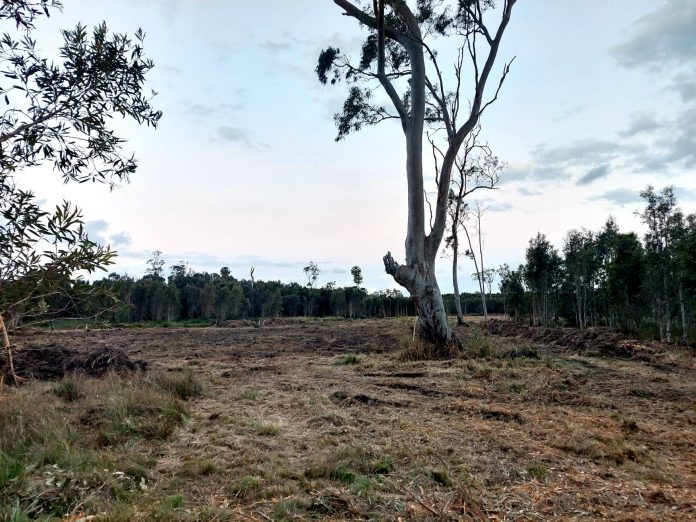
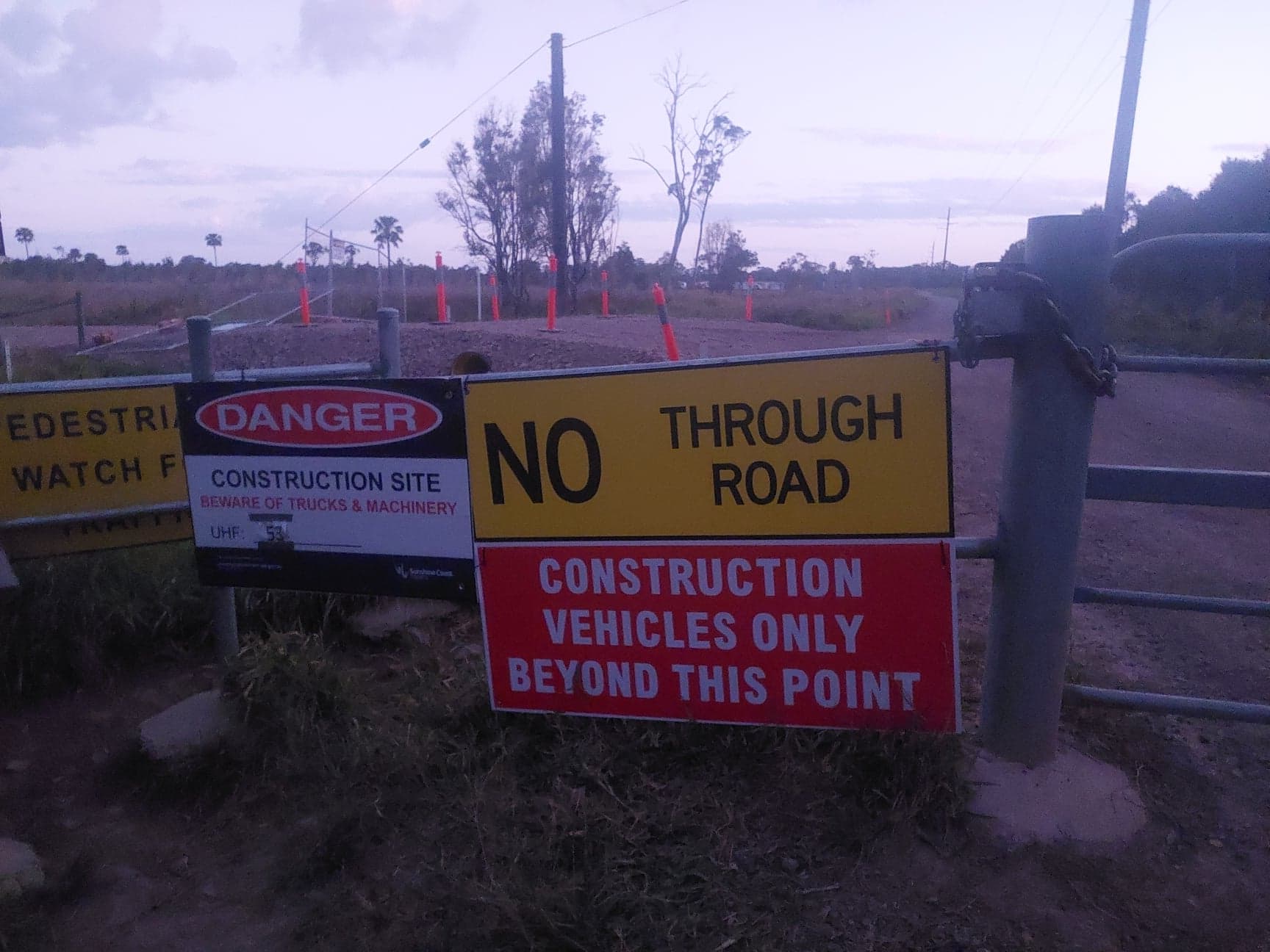
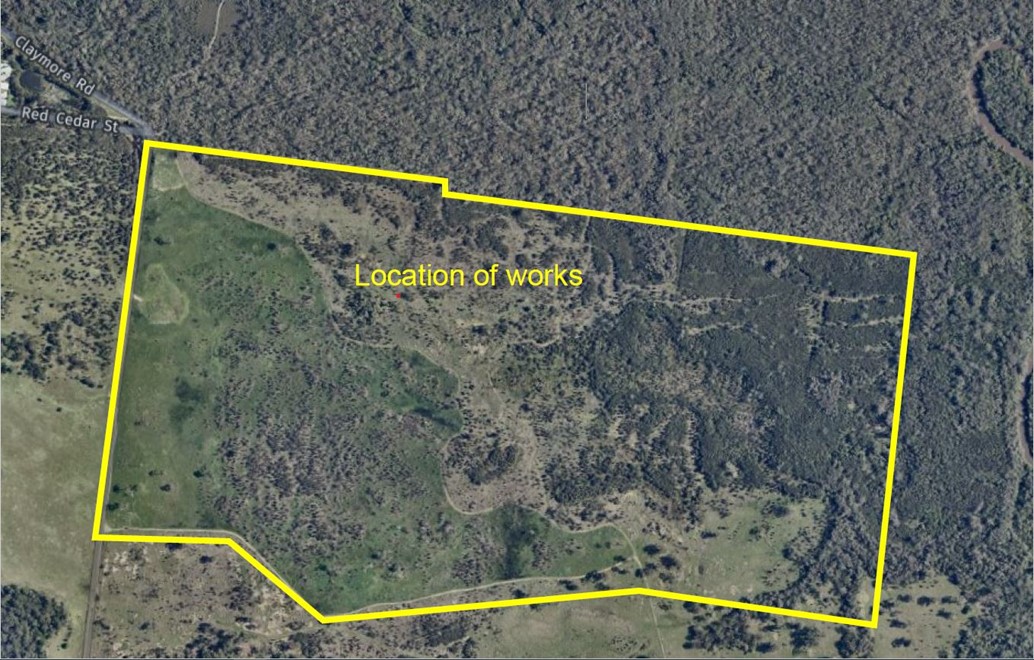
Work is underway on the breeding ponds in the Lower Mooloolah River Environmental Reserve in Palmview.
The green space is sandwiched between urbanised Sippy Downs and Palmview to the west and the Coastal strip of Warana, Wurtulla and Meridan Plains on the east.
Sunshine Coast Council is rehabilitating 60 hectares of what used to be pastureland.
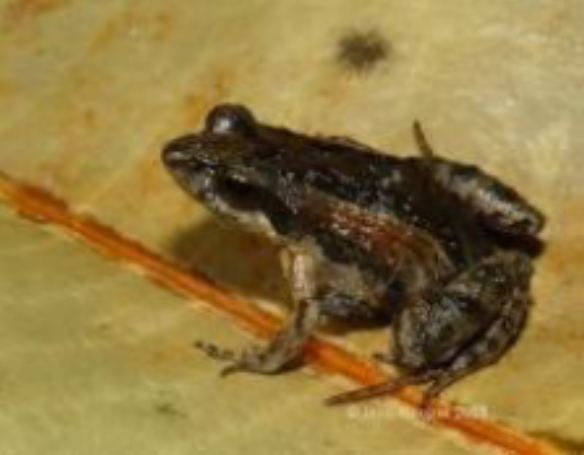
This includes planting 90,000 native shrubs and trees and building more homes for wildlife so acid frog species – Wallum Froglet (Crinia tinnula) and Wallum Rocketfrog (Litoria freycineti) – can thrive in the right conditions.
Council said the project was part of its ongoing commitment to the reserve which is one of five major green spaces which include:
- Lower Mooloolah River: in the lower reaches of the Mooloolah River’s catchment
- Mountain View: areas that look upon the Glass House Mountains including the proposed Mary Cainrcross Ecological Park near Maleny and existing Mary Cairncross Scenic Reserve
- Regional Inter-urban Break: the green space separating the Coast from greater Brisbane, comprising 32,034 hectares including the Glass House Mountains and Pumicestone Passage
- Blue Heart Sunshine Coast: more than 5000 hectares in the Maroochy River floodplain
- The Coast: 60km of coastline
Sunshine Coast Council’s Bill Haddrill said the Lower Mooloolah River was 200 hectares of important green space running through the centre of the region.
“We aim to protect and enhance the Lower Mooloolah River green space for the open space, conservation, rural landscape and flood storage values,” Mr Haddrill said.
“This particular project includes both assisted regeneration and habitat construction work to attract acid frog species into specific areas of the environment reserve.
“We know the vulnerable frog species have been identified in the area in smaller numbers.
“The goal is to create the right acidic conditions to create an optimal breeding environment, so the frog populations increase.
“To do this, we need the right mix of native plant species, soil conditions and water levels – similar to what might have been there before the reserve was cleared for cattle grazing in 1958.
“Twenty breeding ponds, each about 50 metres by 50 metres, will be constructed under the guidance of expert ecologists.
“Council worked with Kabi Kabi Traditional Owners to ensure the ponds were positioned outside areas of cultural significance.”
An access track is also being built to assist with construction and ongoing management of the reserve, and to provide access in the event of a fire.
Since grazing in the reserve was stopped in 2018, some vegetation and weeds have regrown naturally.
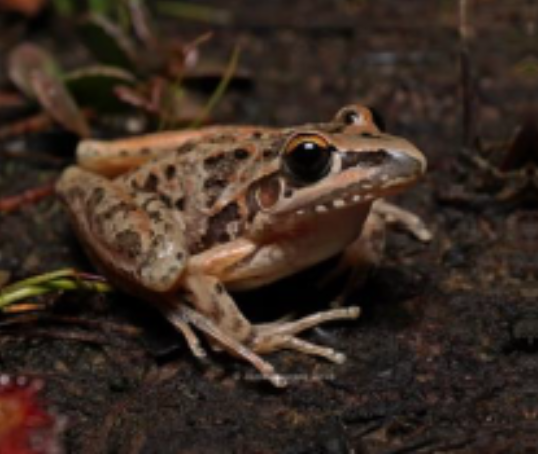
However, some of this regrowth has been removed to allow for the ponds to be built and help create the right ecosystem so the frogs can thrive.
No large trees have been removed.
This project is being delivered as an environmental offset for the Sunshine Coast Airport Expansion Project.
Offsets are required for the project under a Controlled Activity Permit in accordance with the Federal Environmental Protection and Biodiversity and Conservation Act and the State Environmental Authority (EA) BRID0035 in Accordance with the Environmental Protection Act of Queensland.