
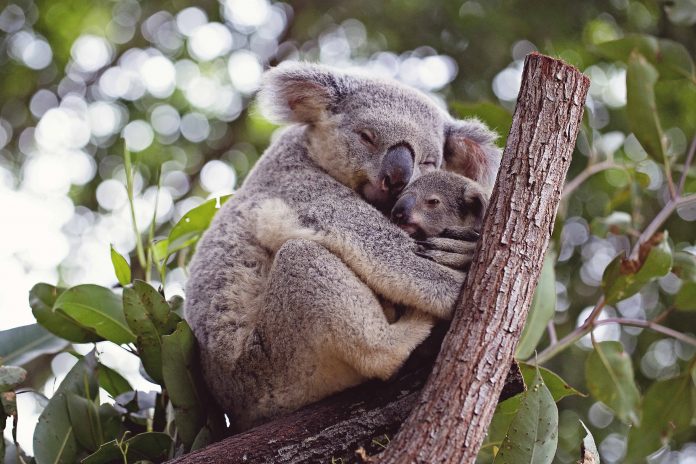
Wildlife HQ is experiencing a baby boom, with some surprise arrivals among the newcomers.
Zookeepers were shocked to welcome a trio of Tasmanian Devils – Yoshi and his sisters Peach and Daisy.
“We were sent two Tasmanian Devils last year and they were supposed to be too old to breed,” senior zookeeper Suzanne Tonga said.
“Amazingly, it happened and now we have three little joeys.”
Zookeepers found the trio in the pouch of mum, five-year-old Amelia.
Pictures of the youngsters should be available soon, and it’s hoped they will be on display before too long.
“Were hoping for that, in the next couple of weeks,” Ms Tonga said.
“At the moment mum keeps them close by and she hides most of the time during the day, but as they get bigger, they will start to explore.”
“I expect that once they are out and about then people will be able to see them and possibly meet them and it’s a good chance to promote Devil conservation as well.”
Tasmanian Devils are endangered and their population is believed to be declining at a rapid rate, largely due to disease. It’s estimated that numbers in Tasmania have decreased by more than 80% since the 1990s.
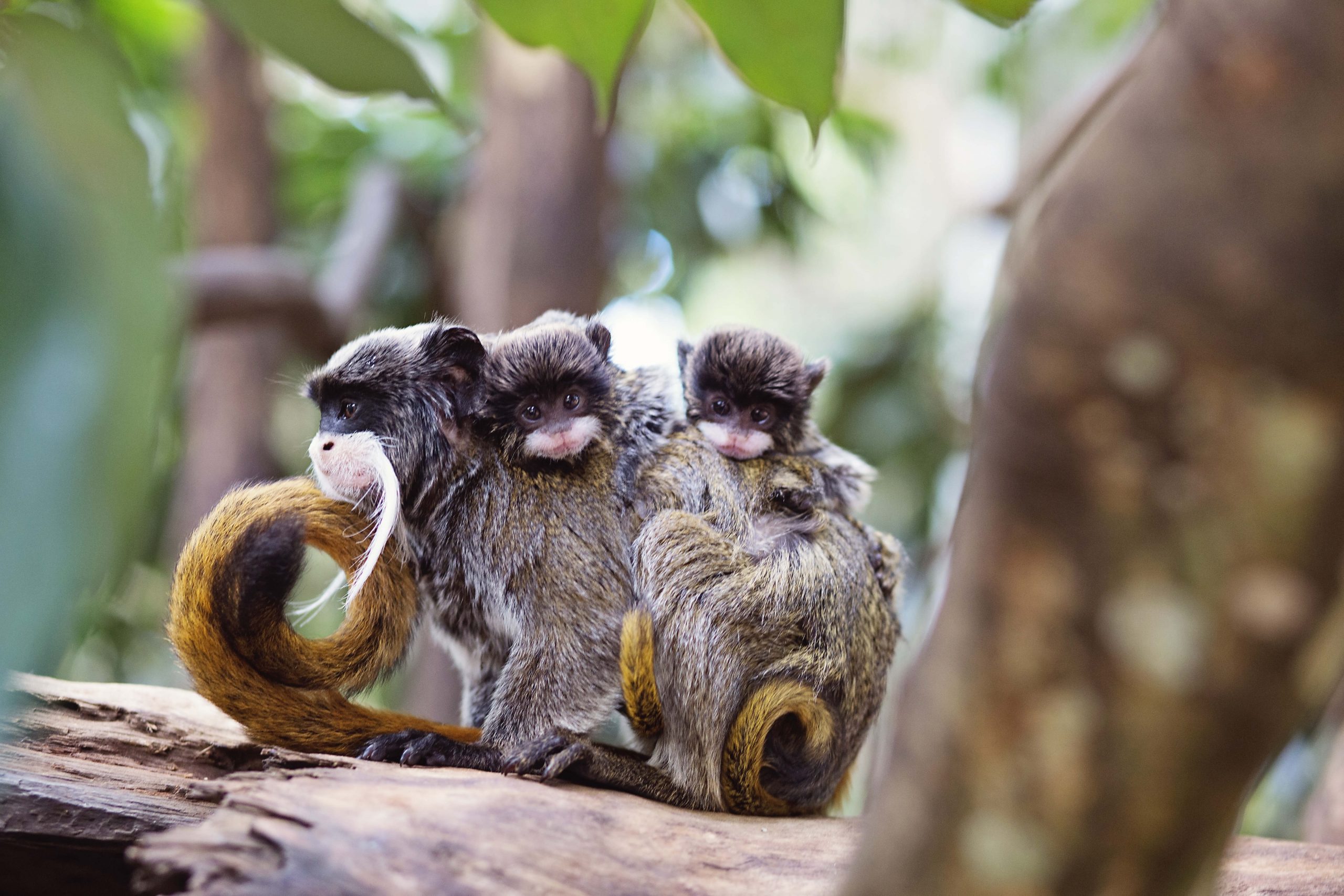
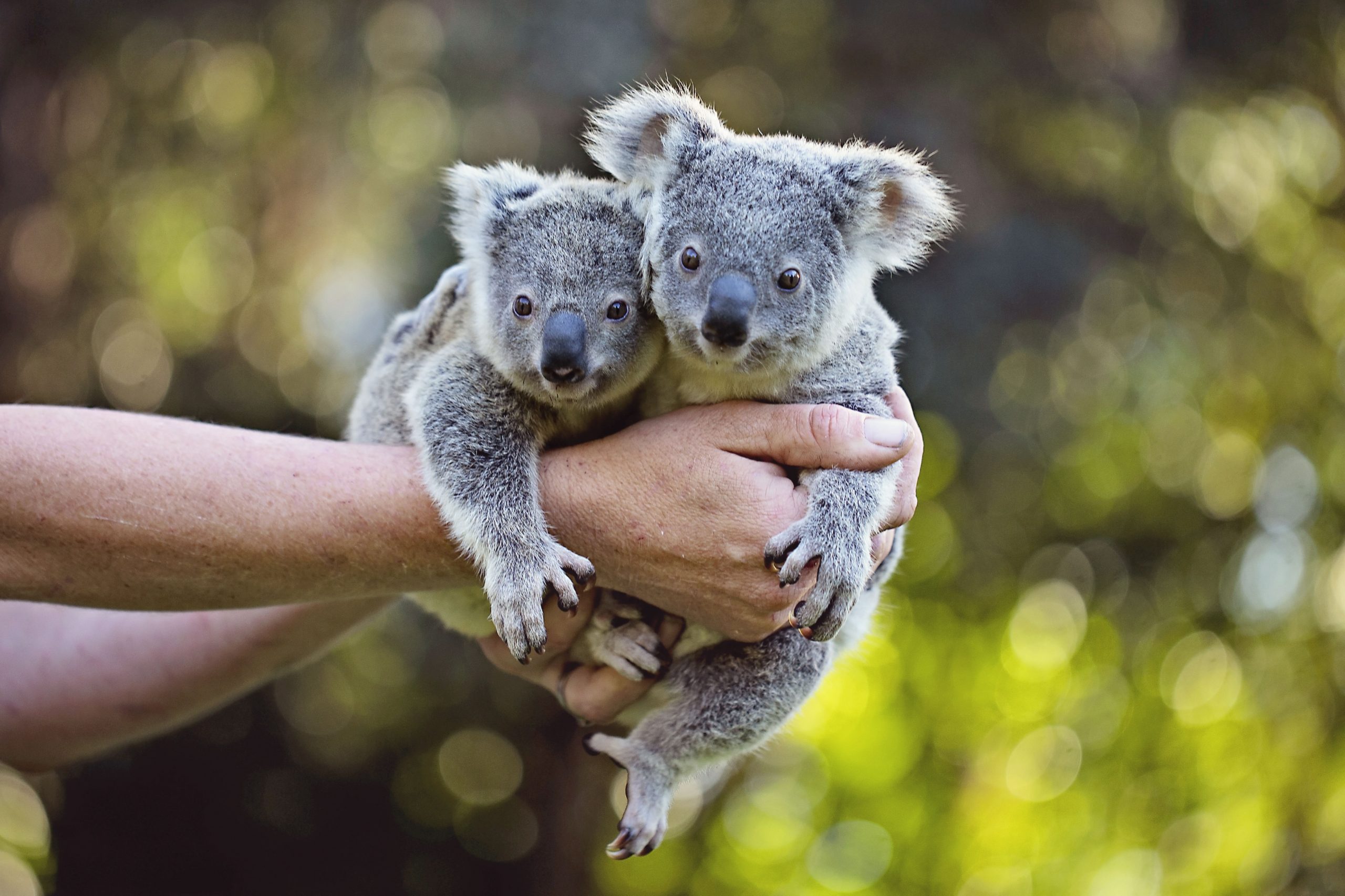
The zoo also has baby emperor tamarins, a baby emu and two baby koalas.
The koalas include an eight-month-old female, Wattle, and a seven-month-old male, yet to be named.
“Everyone’s always excited to see the koala joeys,” Ms Tonga said.
“They are delightful. Babies always are, but koala babies are so cute and people like to watch them as they learn how to eat and how to climb.”
Their development coincides with Save The Koala Month in September.
Koalas are a vulnerable, with the Australian Koala Foundation estimating that their population in the wild could be fewer than 80,000.
Follow us on Facebook: www.facebook.com/scnews2020/
“Koalas have a lot of threats, particularly here in Queensland,” Ms Tonga said.
“It’s really important that we raise as much awareness as we can for our koalas because most Australians are very unaware of what’s happening in the wild.
“The biggest thing is habitat loss, and all of their threats come back to people unfortunately.
“They eat eucalyptus and while we have over 900 species of eucalypts in Australia, koalas only eat 10 to 12 of those species, and in some areas, they can be really fussy and only eat about 5-6 types.
Help keep independent and fair Sunshine Coast news coming by subscribing to our free daily news feed. All it requires is your name and email. See SUBSCRIBE at the top of this article.
“So, when we are chopping down koala habitats they go looking for food and they will try to cross major highways and go through backyards, where there are dogs.
“It also happens in breeding season, when males are on the move for females.
“And they don’t have great immune systems, so when they’re stressed their immune system drops even further and that means they’re susceptible to diseases like chlamydia.”
Wildlife HQ will try and raise more awareness about the koalas’ plight during the next month, with more encounters with koalas and more talks about them.
More information on Save The Koala Month here, and more information on Wildlife HQ here.