
A local council has stepped up enforcement against illegal camping hotspots as debate grows over the lack of affordable camping options.
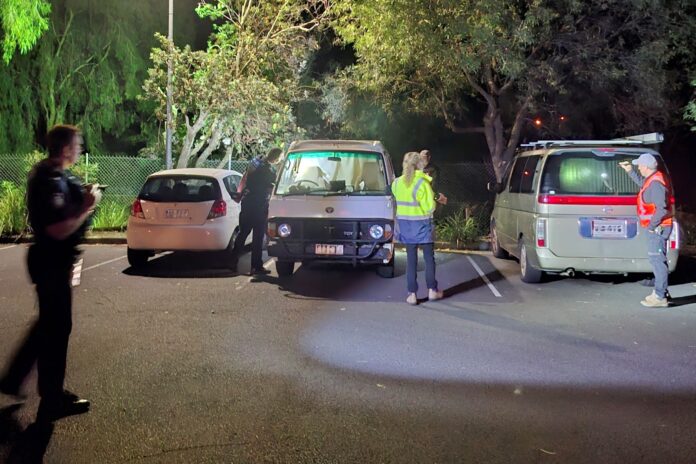
Recent joint patrols between Noosa Council and Queensland Police Service (QPS) resulted in 37 Penalty Infringement Notices (PINs) and one caution during early morning compliance checks at known high-activity areas.
The areas included Tingira Crescent, Claude Batten Drive, The Spit, Beach Access 12, Dog Beach, National Park precincts, Lanyana Way and Beach Access 50 at Glen Eden.
Noosa Council director regulation and development Richard MacGillivray said enforcement efforts were focused on deliberate breaches, not homelessness.
“Our officers do come across people who are genuinely experiencing homelessness and living in their vehicles because they have no other option,” Mr MacGillivray said.
“In those cases, our focus is not on enforcement, we work to connect those individuals with the appropriate support services.
“The action we’re taking is aimed at people who are knowingly doing the wrong thing, particularly visitors treating public areas as free campgrounds and not respecting local rules or the sensitive environment.”
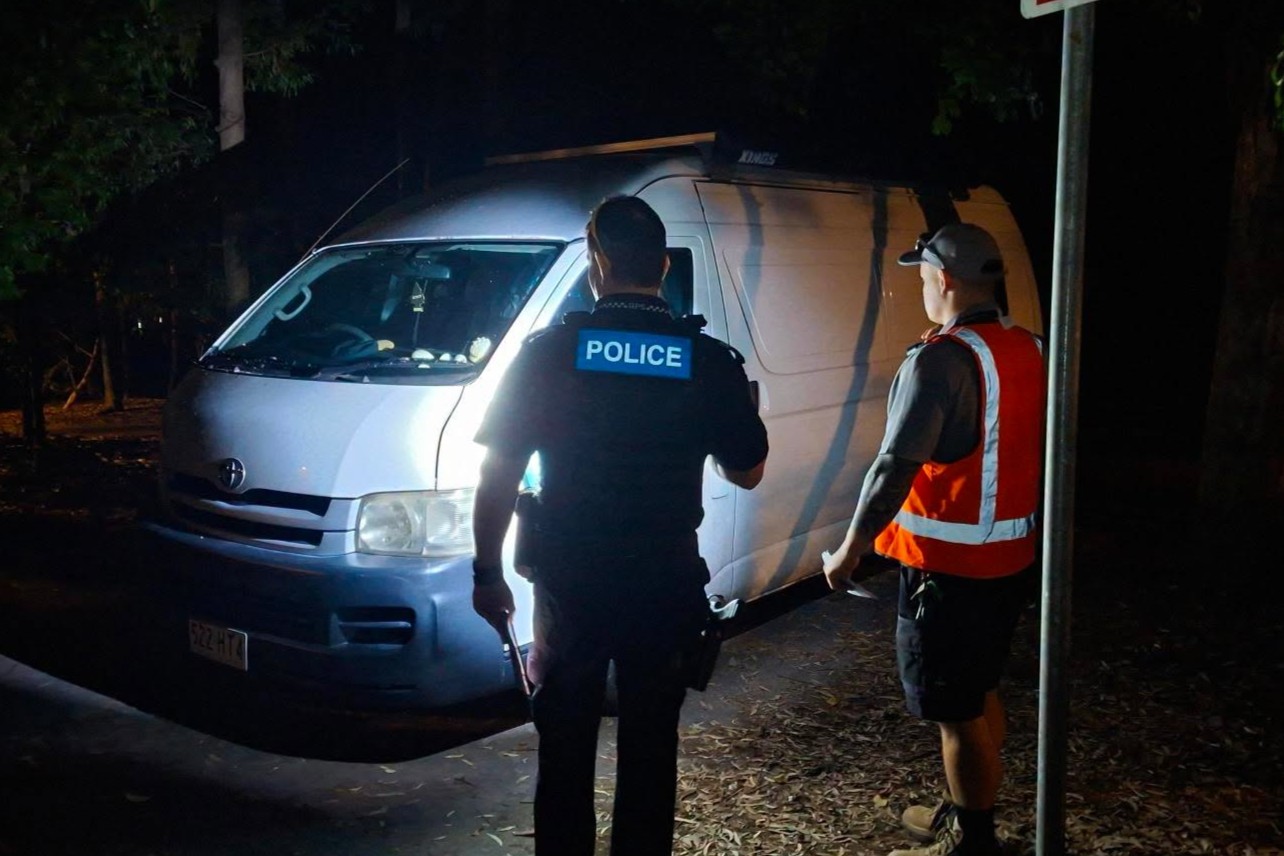
Mr MacGillivray said community complaints were helping guide enforcement activity.
“Local residents are often the first to notice issues in their neighbourhoods and their information helps us direct our patrols where they’re most needed,” he said.
“This year alone we’ve received just under 300 complaints to date about illegal overnight camping in the shire. In 2025, we had received more than 400 complaints by this point in the year.
“We understand the level of frustration in the community, particularly when public spaces and the natural environment are negatively impacted.”
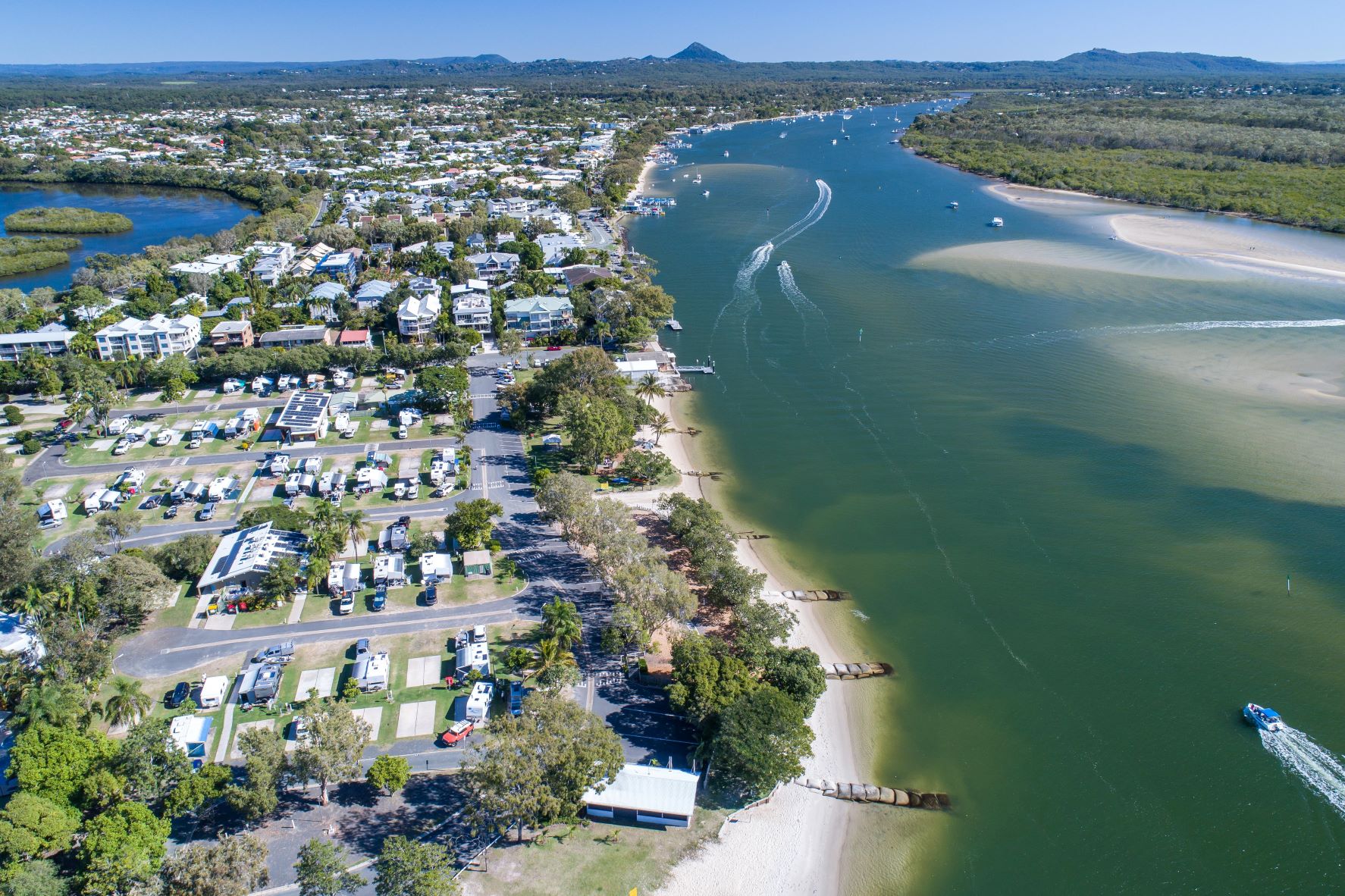
Council said it was also working with camping websites and social media platforms to improve awareness of legal camping options, while also committing in the 2026-27 budget to trial mobile Licence Plate Recognition camera technology to deter illegal camping.
“Noosa offers a range of purpose-built campgrounds with appropriate facilities, and these are the best options for visitors planning an overnight stay,” Mr MacGillivray said.
“We want people to enjoy everything Noosa has to offer, but it needs to be done in a way that respects the community and our shared spaces.”
Do you have an opinion to share? Submit a Letter to the Editor at Sunshine Coast News via news@sunshinecoastnews.com.au. You must include your name and suburb.
Community members weighed in on the issue online, with views divided over enforcement and camping access.
Eileen Walder said, “There needs to be a designated parking spot (minimal charge) where these visitors can park. They bring in money and will go away saying wonderful things about our area and so bring in more tourists. We should not just be catering for the top tier visitors”.
Cheryl Willie said, “Some caravan parks are just greedy, and council seems to push travellers into those parks. Simply put most caravan parks in this LGA are unaffordable to the average traveller”.
Related story: Hike in holiday park fees even as visitor numbers dip
Danny Slater said, “So what happens if you have gone to a pub with your mates after work and had a bit too much of the grog. Are you supposed to drive? The sensible thing I would say is to sleep in your van”.
Dylan Fawcett said, “So if I’m driving and get sleepy, you say, ‘Stop Revive Survive’, but hey if we catch you having a nap, we will fine you. What an absolute joke”.
When asked how QPS distinguish between illegal camping and roadside fatigue stops under initiatives such as Stop Revive Survive, a spokesperson said officers were assisting council during operations.
“The role of QPS is to assist Noosa Council during their engagements with campers to make sure all persons, including both campers and council employees, are kept safe,” they said.
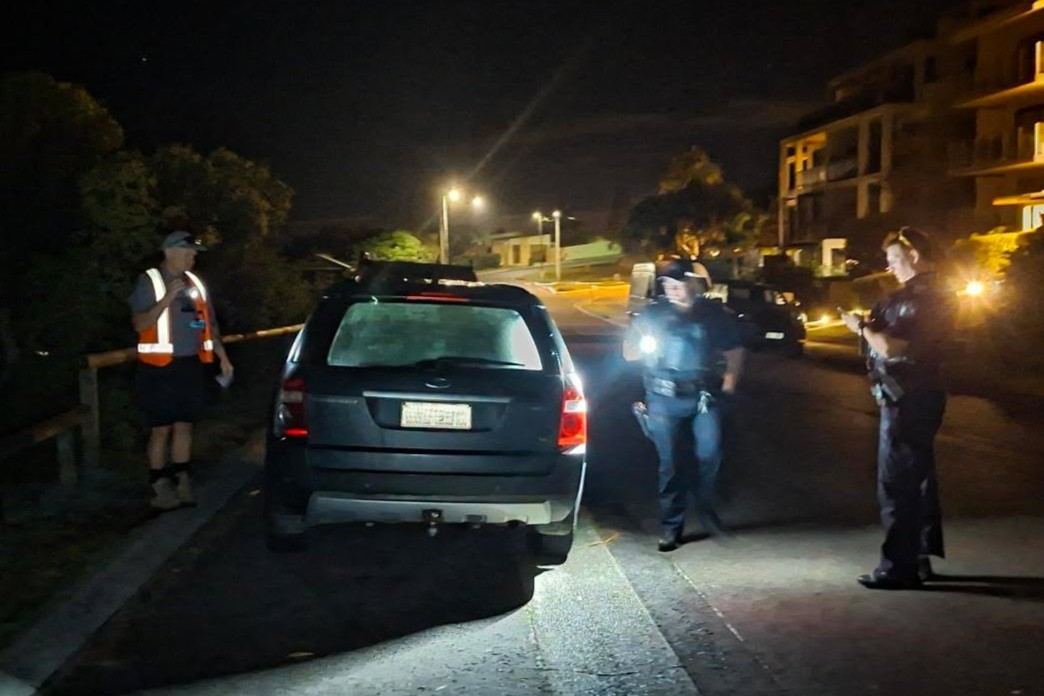
Councillor Amelia Lorentson said recent community discussion had highlighted the need to consider additional options alongside enforcement.
“There have been some great ideas shared, particularly around the need for more low-cost camping options,” Cr Lorentson said.
“While we do have affordable options, I also think there’s value in exploring additional solutions.”
She said possible options worth exploring included a low-cost or free 48-hour camping or RV site at the AFL grounds or another suitable location, and a low-cost or free overnight camping site at Access 13 with public toilet access.
However, Noosa Mayor Frank Wilkie said online that the region’s approach was guided by its tourism strategy.
“Unlike other regional councils that are trying to attract more drive visitors, Noosa has deliberately not provided free camping spaces which would actively increase traffic congestion, perhaps not solve illegal camping problems because of the demand to visit highly desirable places like Noosa (once the word got out there’s free camping), undercut income for Noosa’s legitimate camping and RV grounds and be contrary to the commitment to fostering the high value, low volume approach to tourism,” he said.