

Young people entering the housing market face such significant difficulties that the government needs to break a major election promise on controversial tax changes, Treasurer Jim Chalmers insists.
A raid on investment properties, trusts and other investments forms the centrepiece of the federal budget.
The measures are designed to expand access to the property markets and fund a $250 tax offset for wage earners.
“If we continue to kick the can down the road on some of these difficult policy changes … then that would make life harder and lock more Australians out of the system,” Dr Chalmers told the ABC on Tuesday night.
In the leadup to the last election, Labor promised not to touch negative gearing or the capital gains tax concession, but the Treasurer argued it was now more urgent to reform the policies.
Scroll down to see the federal budget winners and losers
A clamp down on negative gearing and a winding-back of the 50 per cent discount on capital gains tax will leave the nation’s finances $77 billion better off over the next 11 years, the government says.
Shadow Treasurer Tim Wilson blasted the budget, accusing Labor of imposing new taxes and declaring the opposition would not support the changes.
The reforms will also allow more than 13 million workers to receive a $250 payment in every tax return from 2027 onwards.
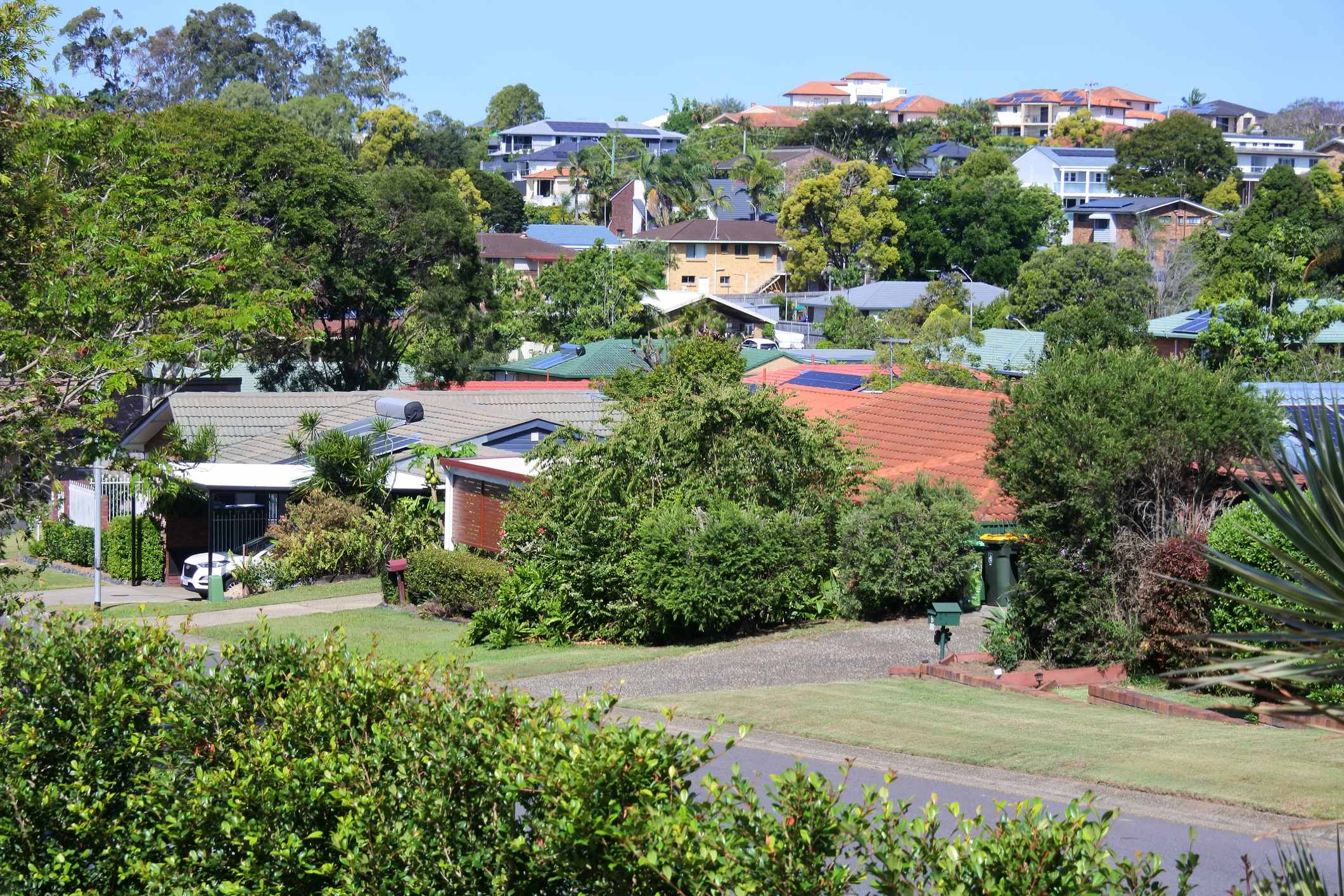
While house prices have risen more than 400 per cent since 1999, average incomes have increased at less than half that rate.
The treasurer also flagged more potential tax cuts down the line as a result of the government’s savings.
According to the budget papers, Australia will be in a deficit of $28.3 billion this financial year, an improvement of about $8.5 billion from previous forecasts.
While future deficits are predicted to be smaller than previously expected, the nation’s finances aren’t expected to return to surplus for nearly a decade.
“The medium-term budget position is much stronger and more sustainable as a consequence, creating more room for future tax relief,” Dr Chalmers said.
Under a clamp-down on wealthy investors, negative gearing – where a landlord can deduct losses on a rental property against their wages at tax time – will be limited to newly built homes from July 2027.
Homes bought before the announcement will be exempt from the changes until they’re sold.
The current 50 per cent discount on capital gains tax will also be overhauled, with the measure on existing properties to be linked to the current rate of inflation from July 2027, and a minimum tax rate of 30 per cent to be imposed.
So the changes don’t impact Australia’s housing pipeline, investors in new builds will be able to choose between the old and new tax schemes.
Do you have an opinion to share? Submit a Letter to the Editor at Sunshine Coast News via news@sunshinecoastnews.com.au. You must include your name and suburb.
Gains on properties built before 1985 – which have previously been exempt from CGT – will also begin being taxed from July 2027 at the inflation-adjusted rate.
Master Builders Australia chief executive Denita Wawn said even though new properties were effectively quarantined from the changes, construction rates would still be stifled.
“If we left the taxation arrangements alone, we could be having a net increase of 100,000 homes, as opposed to a net outcome of only 30,000 homes,” she told AAP.
A 30 per cent minimum tax will also be imposed in discretionary trusts, which are often used by wealthy families to split income between family members and minimise tax.
Together, the changes to investment taxes will rake in an extra $8 billion, to be spent on the $250 “Working Australians Tax Offset” and the reintroduction of loss carry-backs for businesses and startups.
From July, companies earning less than $1 billion will be able to offset the current year’s tax losses against taxes paid up to two years earlier.
The government says the change will encourage businesses to invest and make them more resilient in a bid to boost Australia’s economic growth.
“These changes will level the playing field for workers and first-home buyers, and support investment in productive assets, including new housing supply,” Dr Chalmers said.
The government is now preparing for a pushback from landlords and wealthy Australians who will be unhappy about its negative gearing, capital gains and trusts reforms.
Winners and losers
Winners
- First-home buyers: a clamp-down on property investment is expected to help around 75,000 people into home ownership. Tax concessions for landlords and investors – including negative gearing and the capital gains tax discount – will be wound back.
- Workers: anyone who earns a wage will get a $250 bonus on their tax return from July 2027. The payment will be made permanent and comes on top of other tax relief announced in previous budgets.
- Hospital patients: Another $25 billion in federal money is being poured into public hospitals, while $5.9 billion will be spent making more medicines cheaper through the Pharmaceutical Benefits Scheme.
- Small business owners: the current $20,000 instant asset write off for small businesses will be made permanent from the start of July.
- Public transport users: billions of dollars have been set aside for infrastructure, with the budget including funding for Melbourne’s Suburban Rail Loop, upgrades for the Sydney-to-Canberra railway line, development works for high speed rail between Newcastle and Sydney and the electrification of Victoria’s Melton Line.
- Motorists: Under a $12 billion fuel security package, the government will secure extra supplies of petrol, diesel and jet fuel in a bid to better insulate Australia from future oil price shocks.
Losers
- Future property investors: changes to negative gearing and the capital gains tax will begin hitting investors from mid-2027, but properties currently owned will be grandfathered.
- NDIS recipients: changes to eligibility for the National Disability Insurance Scheme will claw back around $15 billion by 2030.
- Older Australians: a Howard-era decision to give people over-65 a more generous health insurance rebate has been scrapped to save $3 billion.
- Wealthy families with trusts: a 30 per cent minimum tax will be imposed on discretionary trusts, which are often used by wealthy families to split income between family members and minimise tax.
- Unskilled migrants: while Australia’s overall migrant intake will stay the same, more places will be allocated for skilled migrants, leaving less room for those without crucial qualifications.
- Future electric vehicle owners: the fringe benefits tax exemption for electric vehicles is being made less generous over time, amid record-breaking EV sales.