
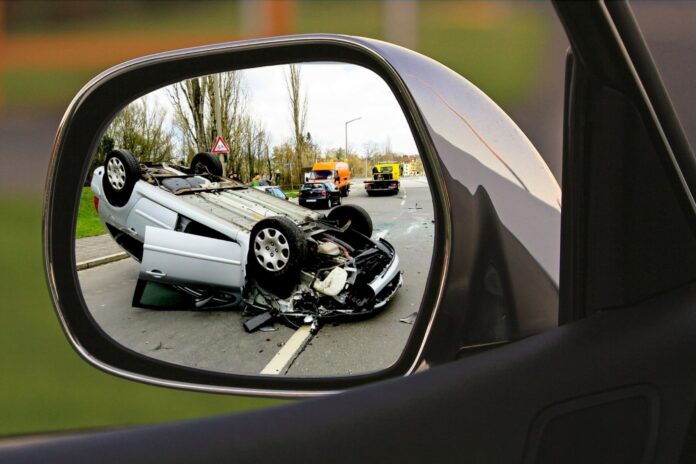
Our roads have become a killing field. That is not an opinion or hyperbole, but cold, concrete fact.
As of Easter Monday, Queensland had lost 16 more people on its roads than for the same time last year. Australia’s national road toll has continued to rise for 33 consecutive months, as of February, marking the longest sustained increase since the 1950s.
Incredibly, the national death count of 1336 people in the 12 months to February is also a rise on the same time last year. And for every death, countless more were injured – some catastrophically. If road deaths were a disease, we would all be screaming and running for cover.
To lose a loved one in a manner so that all that is left of their life is a mad mess of twisted metal and shattered glass and marks on the blacktop is a shock like no other. No goodbyes – just shuddering horror and blackness, and deep sadness when somehow the detritus of their loved one’s demise is cleaned up within hours and cars pass again, as if nothing happened.
Too many have suffered this recently. The Australian Road Safety Foundation is calling for a national agenda to try to stem so much death and dying, including introducing road safety education in the school system.
Trying to instil respect and understanding in emerging road users is our best hope, they say. Given that a large portion of the increase in road deaths is put down to a ‘young male’ problem and a ‘simple mistake’, ensuring young people upskill in road safety is not just nice-to-do, it is must-do.
Do you have an opinion to share? Submit a Letter to the Editor at Sunshine Coast News via news@sunshinecoastnews.com.au. You must include your name and suburb.
In the 1970s, people were dying in droves, with close to 4000 lives lost each year. But mandating seatbelts, reducing blood-alcohol limits, improving infrastructure and enforcement of yarded-in constraints helped save more of us from our reckless ways.
But now those in road safety are attributing the creep in numbers to the greater focus on the self: some drivers openly choose to ignore limits and rules. It is all about them and their need to go somewhere – to heck with those around them. We have no choice but to do all we can to correct this terrible turn.
The National Road Safety Strategy has the stated aim of having zero road deaths and serious injuries by 2050. At this moment, it is nothing but a pipe dream.
Dr Jane Stephens is a UniSC journalism lecturer, media commentator and writer.