
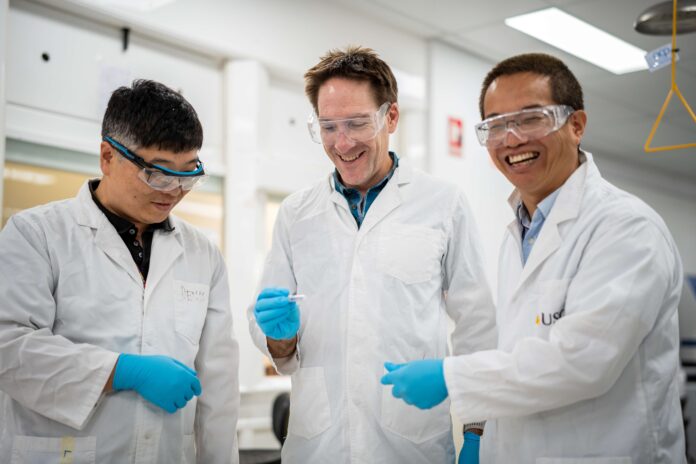
A team of scientists from the University of the Sunshine Coast and around the world has developed a promising way to reduce the risks from biodegradable medical implants.
Scientists from UniSC’s Centre for Bioinnovation and advanced materials and manufacturing scientists from the School of Science, Technology and Engineering collaborated with Foshan’s First People’s Hospital in China and the University of Tokyo to develop a new coating for medical magnesium implants.
The implants are coated in bioactive peptides, which are small, naturally occurring protein fragments that can support health and wellbeing.
The new coating combines advanced metal processing with biomolecular science to improve compatibility with the body, reduce inflammation and boost antibacterial activity, enabling the implant to degrade safely as the bone heals.
It has shown promising results, published recently in Biomaterials Research.
Associate Professor Tianfang Wang said the technology could be most beneficial for orthopaedic implants such as plates, screws and pins used to repair fractures, as well as certain dental implants.
“Our ultimate goal is to create self-absorbing implants that support healing then naturally disappear once no longer needed,” he said.
“This would reduce the physical and emotional burden associated with implant removal, giving patients greater confidence and comfort in their recovery.
“It may also be suitable for cardiovascular stents or other devices where antibacterial protection and immune compatibility is essential in the critical early stages after implant.”
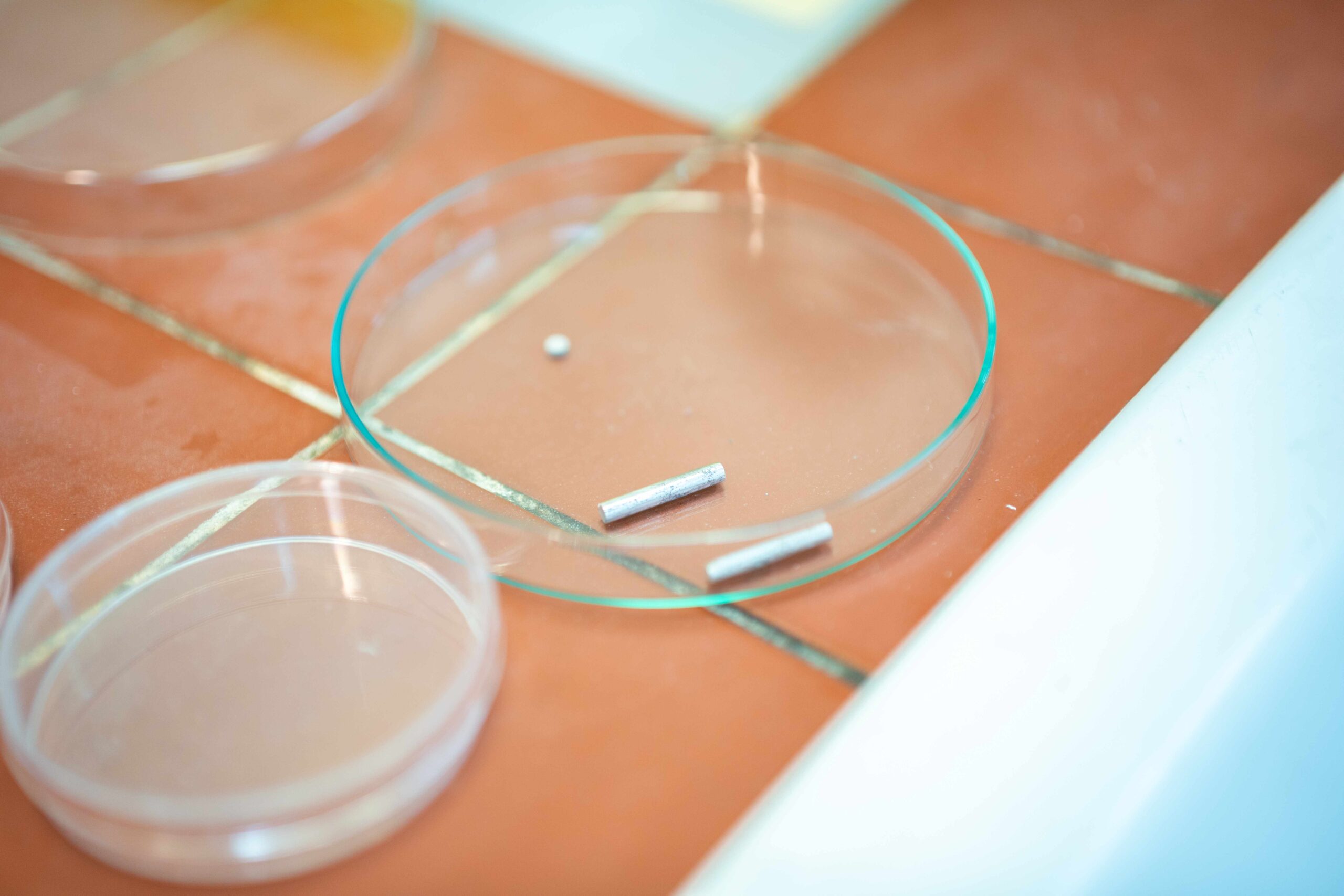
Traditionally, metallic implants are made from stainless steel or titanium and remain permanently in the body or sometimes require surgical removal after healing, which can cause pain, anxiety, and added costs.
Magnesium alloys are among a new generation of degradable implant materials currently being developed based on naturally occurring trace elements in the body and designed to degrade naturally over time in unison with healing, so that they don’t require removal.
“While the magnesium alloys are biodegradable, these implants may still need to be removed if they degrade too rapidly, or cause infection,” Professor Xiaosong Liu said, the lead Chinese collaborator from the First People’s Hospital of Foshan.
Want more free local news? Follow Sunshine Coast News on Facebook, LinkedIn and Instagram, and sign up for our FREE daily news email.
AMM materials scientist Dr Hejie Li said: “Degradable, biocompatible magnesium implants with built-in antibacterial activity could eliminate these issues, reducing patient distress, surgical risks, and healthcare costs while promoting more sustainable medical practices.”
Associate Professor Damon Kent, leader of AMM, said the next step was to move the alloy to production for early pre-clinical trials, while exploring partnerships with biomedical companies to support the scale-up.
“We are also exploring use of the coatings on other suitable metals and 3D metal printing options. There are a lot of possibilities.”
UniSC Deputy Vice-Chancellor (Research and Innovation) Professor Ross Young said the innovation was the latest in a growing body of world-class translational research and impact at the University, particularly in the health and medical space.
“Expert researchers at UniSC continue to deliver new insights into cancer, chronic diseases, mental wellbeing such as PTSD and youth mental health, healthy ageing, nutrition and sports science.
“Coupled with our commitment to introducing a medical program, UniSC is truly establishing its position on the world stage for its leadership and expertise in human health.”