

Queensland’s peak tourism body has written to Anthony Albanese calling for support measures, while some Australians are changing their transport habits amid rising fuel costs.
The Queensland Tourism Industry Council issued a public statement stating that the group has asked the Prime Minister for help, as escalating fuel prices present a compounding challenge for operators and travellers.
QTIC CEO Natassia Wheeler said demand for travel remains strong but the cost of doing business is placing strain on the sustainability of tourism operators, particularly in regional areas.
“Tourism continues to perform strongly from a demand perspective, but that is happening alongside record levels of cost pressure for businesses,” she said.
“We are seeing a cumulative impact: insurance, energy, labour and compliance costs have all risen significantly over recent years, and fuel is now adding an immediate and visible layer of pressure.
“Businesses have worked incredibly hard to absorb these increases but there is a limit to what can be sustained without impacting pricing, operations and ultimately visitor demand.”
QTIC’s letter to the Australian Prime Minister outlines four priorities, including: a nationally coordinated domestic tourism activation campaign; financial support for businesses with high exposure to fuel and energy costs; coordination to ensure fuel supply confidence across key travel routes; and the establishment of a Tourism Cost Pressures Taskforce to support monitoring of cost pressures and enable coordinated responses.
Help us deliver more news by registering for our FREE daily news feed. All it requires is your email at the bottom of this article.
Wheeler said fuel costs were influencing business operations and traveller behaviour, with early signs of shorter booking windows, increased price sensitivity and a shift toward shorter, closer-to-home trips.
“This is not a demand issue: Australians still highly value travel and experiences,” she said.
“It is an affordability and sustainability challenge. Consumers are becoming more price-conscious, and businesses are reaching the point where they cannot continue to absorb rising costs without adjustment.”
“For operators with high fuel dependency – marine tourism, transport providers, remote experiences – this is a direct and unavoidable increase in the cost of delivering services.”
QTIC said some businesses were already adjusting pricing structures, including introducing fuel-related surcharges, while others were reassessing service delivery to remain viable.
Meanwhile, Australians are adapting to rising fuel prices by changing their transport habits, with some ditching their cars even if it adds hours to their commute.
Melbourne charity shop manager Adam Bratt is among them.
“Filling a tank of petrol has become a lot more painful all of a sudden,” he told AAP.
He now walks from his home, catches two trains and walks again to his workplace, adding at least an hour to his commute.
“I don’t intend to get rid of my car, but for commuting, it’s part of overall cost-cutting,” he said.
“Cost of living was a problem before the fuel crisis, but the fuel’s certainly not helping.”
Many Australians are reporting similar shifts in their commutes, turning to walking or cycling or cutting back on travel altogether.
More people would alter their travel behaviour if fuel prices continued to rise, University of Sydney transport expert Geoffrey Clifton told AAP.
“We will start to see a prolonged shift in how people travel and we’ll see more people moving into public transport and leaving their cars at home, or doing things like downsizing their vehicle,” he said.
The US-Israeli war on Iran has triggered a global energy shock, sending oil prices soaring and driving a sharp rise in fuel costs. It has also reignited discussions around fuel rationing.
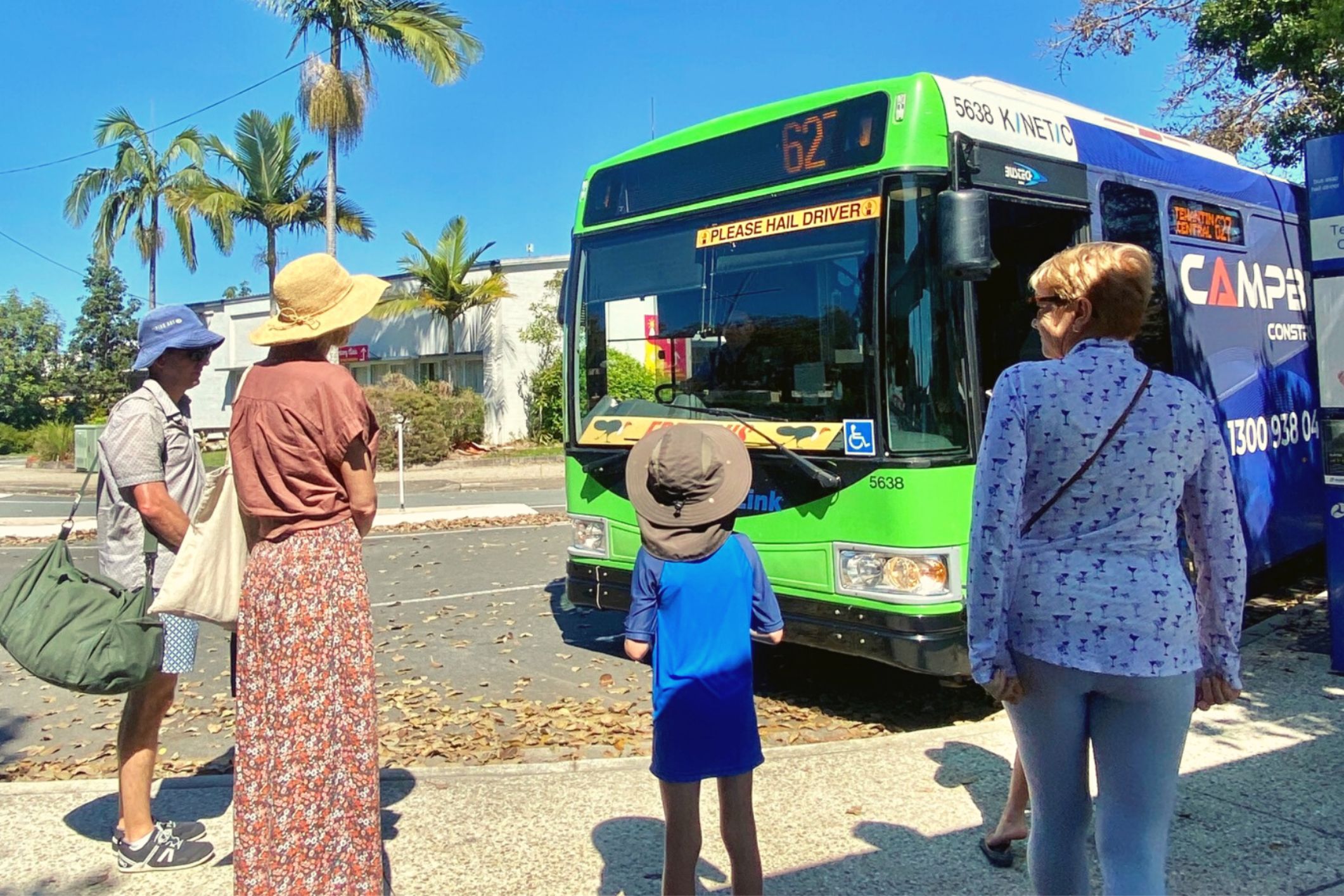
Commuter numbers on Queensland’s public transport system, which has 50-cent fares, have risen by five per cent since March 1.
People are also turning to alternative options, including e-bike and e-scooter provider Lime, which reported a 10 per cent increase in trips in Sydney from the first week of March to the second.



