

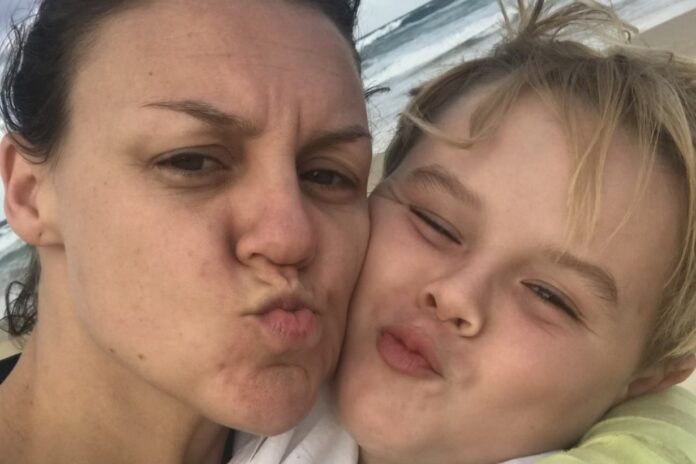
The last time Jacqui Dell saw her son Rylan was on his 18th birthday – a moment that now lives painfully clear in her memory.
They spent the afternoon and evening of February 8 together celebrating the milestone.
“He had a job and a girlfriend and was just a teenager loving life,” Ms Dell told Sunshine Coast News.
Just weeks later, the Buderim mother was holding her son in her arms in a hospital room, saying goodbye.
Rylan Gold died on March 5 after contracting meningococcal meningitis – a rare but aggressive infection that progressed with devastating speed.
“It was so rare and it was so random and it came so fast – it’s just hard to comprehend,” Ms Dell said.
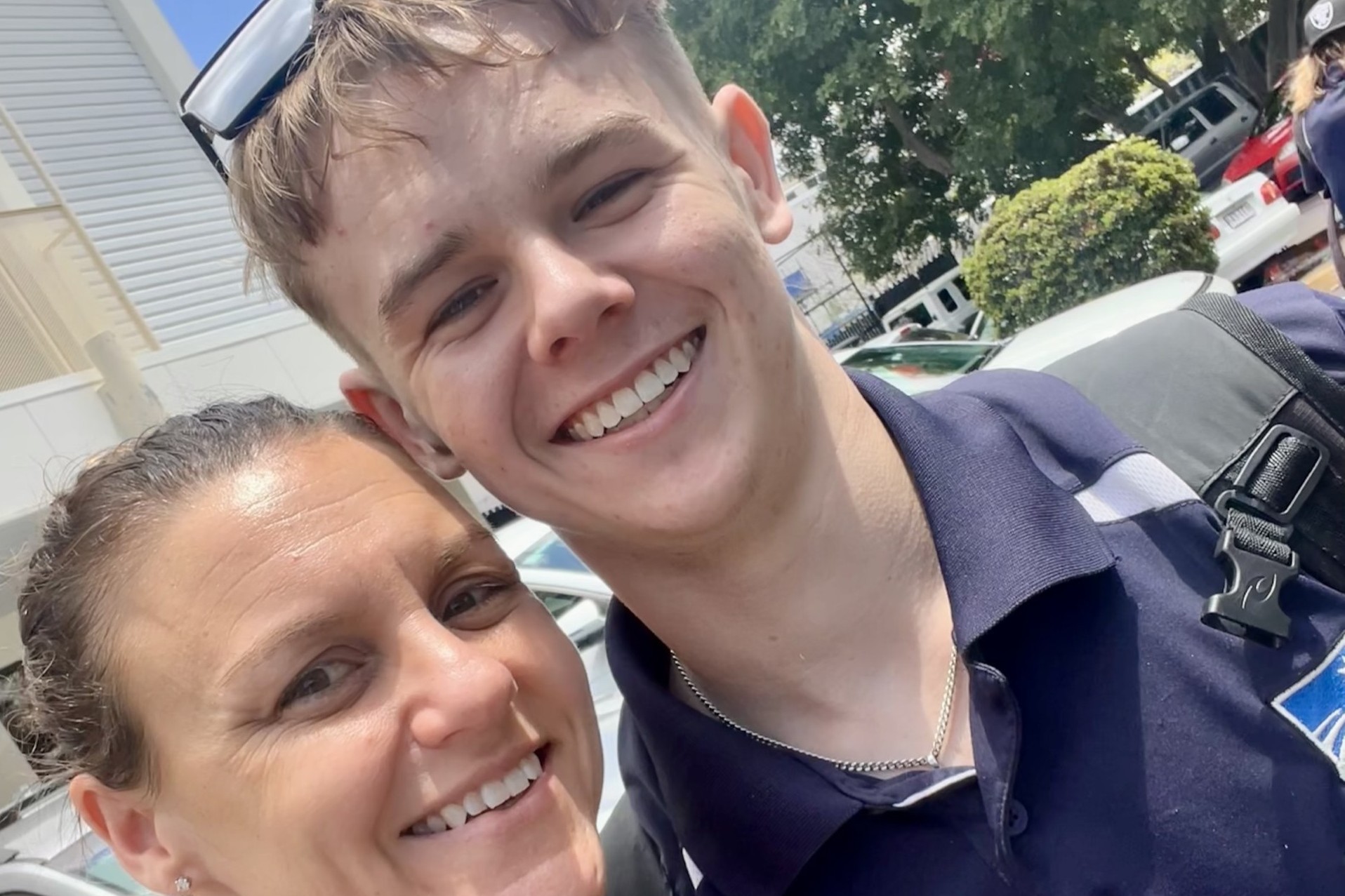
Ms Dell said she had been planning to see her son again shortly after his birthday to give him a special gift.
“I’d had a pendant made for his 18th birthday with my grandmother’s ashes in it and I was going to give him the chain for it,” she said.
“But he couldn’t come because he wasn’t feeling well.”
Ms Dell was told her son had been vomiting, had a severe headache and developed a rash before he was taken to Caloundra Hospital on March 2 by a relative who is a paramedic.
He was discharged about 1.30pm that day and returned home with his stepsister.
But within hours his condition deteriorated rapidly.
An ambulance was called about 4.30pm as Rylan became extremely unwell.
“I got a call from Rylan’s stepsister on Rylan’s phone while I was driving home from work,” Ms Dell said.
“She said, ‘I don’t want you to worry but Rylan’s been sick over the weekend and he’s gotten worse. I’ve called the ambulance and they’re here and they’re taking him to hospital’.”
Mr Gold was taken to Sunshine Coast University Hospital, where tragically, he was placed on life support but never regained consciousness.
A Sunshine Coast Health spokesperson said the service extended its condolences to the family and confirmed the care provided would be reviewed.
“We offer our sincerest condolences to the impacted family at this difficult time,” the spokesperson said.
“Sunshine Coast Health protects the privacy and confidentiality of patients and won’t provide further information on individual circumstances of care.
“The care provided will be independently reviewed to identify any opportunities to strengthen practice.”
Local journalists supporting local people. Help keep independent and fair Sunshine Coast news coming by subscribing to our FREE daily news feed. All it requires is your email at the bottom of this article
Ms Dell said her son had always been a healthy and active teenager.
“He wasn’t a big partier – he was into his cars and his mates.”
He had recently started an apprenticeship as a fitter at ARB and was also a competitive shooter.
“He was cheeky and loving and caring,” Ms Dell said.
“He loved animals, he loved our dogs and he loved everyone. He didn’t get caught up in rubbish. Everyone always commented on how well mannered he was.”
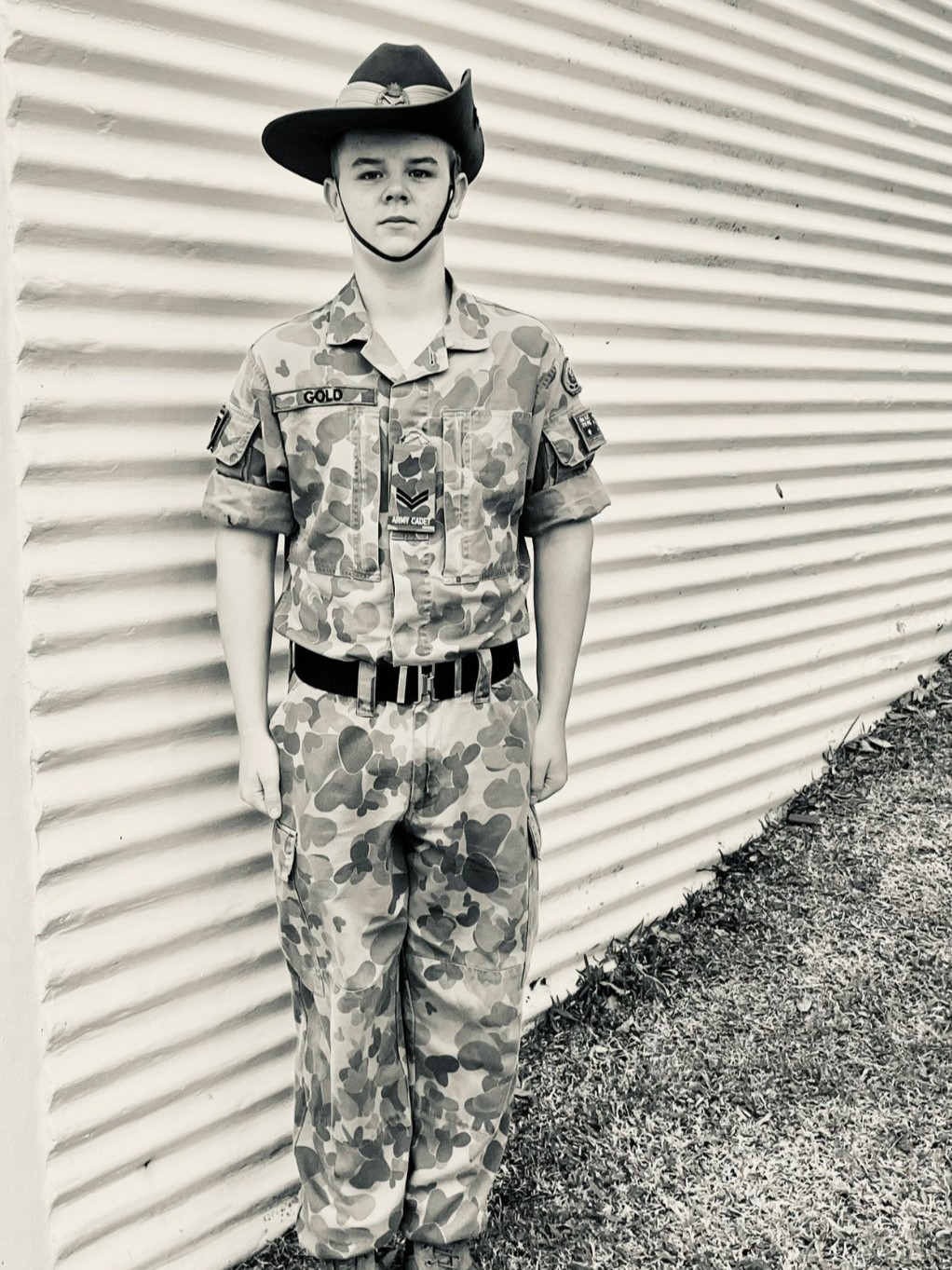
Ms Dell said her son had received all routine childhood vaccinations but never imagined he would fall victim to meningococcal meningitis.
“I don’t think enough people know what the symptoms are for such a severe illness that can kill you in days,” she said.
“You hear flu symptoms and you just think it’s the flu. I wouldn’t have known what to look for.”
During Mr Gold’s final days in hospital, the difficult decision was made to donate his organs, helping to save the lives of four other people.
Ms Dell remained by his side in his final moments.
“Holding you in my arms with my head pressed firmly against your precious heart as you left this world to go on your next adventure will live with me for all the ‘tomornings’ I have left,” she wrote in a tribute on social media.
She said she hoped sharing her son’s story would raise awareness about how quickly meningococcal disease can strike.
“I just hope no other parent ever has to have that call,” she said.
Meningococcal disease is a rare but serious bacterial infection that can develop rapidly and become life-threatening.
According to a Sunshine Coast Health spokesperson, early symptoms can include fever, severe headache, nausea or vomiting, sensitivity to light, neck stiffness, muscle and joint pain and extreme tiredness or difficulty waking.
As the illness progresses, people may develop confusion, seizures, cold hands and feet, rapid breathing or a red or purple rash that does not fade when pressed.
“Meningococcal disease is caused by the bacteria Neisseria meningitidis, which can live in the nose and throat of healthy people and spread through close contact with respiratory secretions, such as coughing, sneezing, kissing, or sharing drinks or utensils,” the spokesperson said.
“While many people carry the bacteria without becoming ill, in rare cases it can invade the bloodstream and cause severe infection, including meningitis or meningococcal septicaemia.
“Vaccination provides protection against several strains of the bacteria and remains an important way to reduce the risk of serious illness.”
Anyone experiencing symptoms that could indicate meningococcal disease should seek urgent medical care.
Mr Gold’s funeral will be held on Saturday, March 21 at 10.30am at Gregson & Weight, Buderim.



