
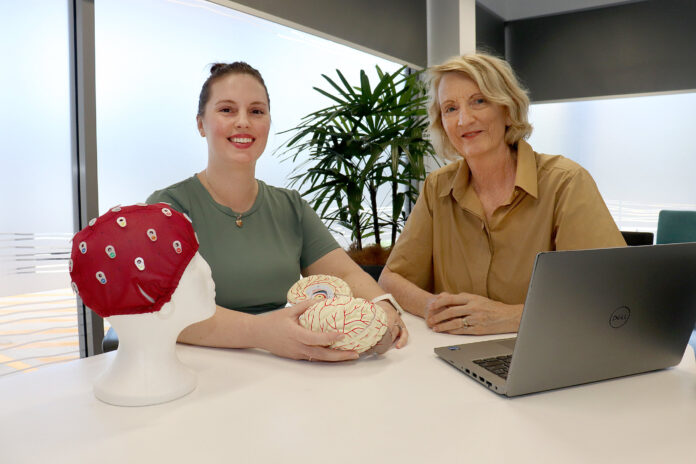
Youth mental health experts at the University of the Sunshine Coast have urged caregivers to address their children’s worries ahead of a new school year.
For some students, it’s a time of nervous anticipation.
It’s a particularly difficult time for students transitioning into their first year of high school, with new research showing that looking closely at the brain may help us identify which first-year high school students are more prone to psychological distress.
Dr Michelle Kennedy said that whatever is worrying students, evidence suggests that caregivers should address it before the new school year begins.
“They may already be worried about their new teacher, what friends will be in their class, or the academic challenges ahead,” she said.
“Anxiety about going back to school is very common, and more prevalent in primary-aged students, particularly the younger ones.
Do you have an opinion to share? Submit a Letter to the Editor at Sunshine Coast News via news@sunshinecoastnews.com.au. You must include your name and suburb.
“Since the COVID pandemic, it has been observed in older primary school students too.”
Dr Amanda Boyes, whose research published this week showed that brain changes could predict mental distress in the first year of high school, said that psychological distress varied greatly in early adolescents over a 12-month period.
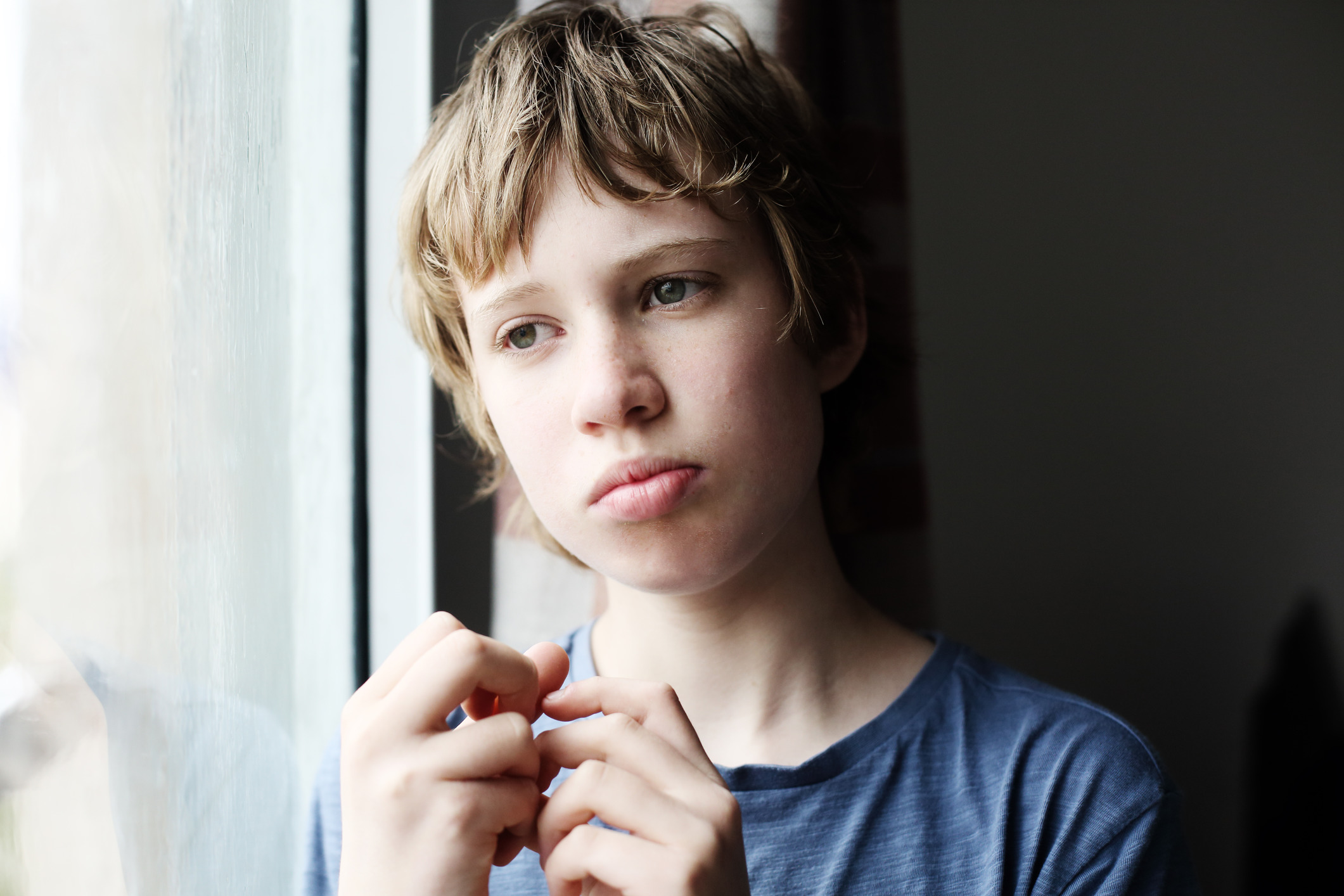
“This tells us that we should check in with young people about their mental health regularly,” she said.
“Of the 88 young people in our study, 50 reported experiencing moderate to high psychological distress at least once in the year. They also had the biggest shifts in their mental health.”
The research was part of the Longitudinal Adolescent Brain Study, which recently marked a five-year milestone collecting data from participants aged 12 to 17, at four-month intervals, meaning they now have complete five-year data sets.
Signs of stress
While each child may respond differently to anxiety, common signs include being more clingy than usual, asking the same questions about the new teacher and class, being withdrawn, fidgeting or nail biting, changes in sleeping habits and increased emotional sensitivity.
They may even change their eating habits, have trouble falling asleep, or have major and unexpected emotional outbursts.
Common causes
- Fear of the unknown – a fear of the unknown can challenge a child’s sense of belonging. Research shows a child’s sense of belonging plays an important role in emotional wellbeing, self-esteem and self-worth, and engagement in learning.
- New routines – adapting to a new teacher’s rules, routines, expectations and teaching style can be unsettling for some students. Routine contributes to a sense of belonging in the classroom, so anxiety on this can settle after a few weeks.
- Change of friendship groups – there may be some worry about making new friends and establishing new friendship groups, particularly for older primary students, as this is the age where they begin to develop a fear of social rejection.
- Academic pressure – students may be worried about changes in academic expectations.
- Parent stress – students will sense a parent’s stress which may, in turn, heighten the student’s stress levels.
- Prior negative experiences – a student’s past negative experiences or memories of school may be heightened if the student is anxious about transitioning to a new year level.

How to help
There is no one approach to help children transition to their new school class.
New experiences can also bring up some uncomfortable feelings, so it’s important we don’t try to drown out their concerns with positivity.
- Open communication is crucial. If your child’s level of worry is a concern before school starts, notify the teacher. Make sure you listen to child’s concerns and validate how they are feeling.
- Prepare for the new school year together. Choose new school items together and, if this makes them feel anxious, speak about your experiences of worry when starting anything new. For younger ones, you could place notes in their lunchbox, and for older children you could include a treat.
- Every child deals with stress/worry differently. Before the start of the school year, establish their safe space at home or allow them to have extended time doing something they enjoy.
Dr Kennedy said transitioning to a new school year can be challenging for some primary school students for a variety of reasons.
“For most home is their safe space and, if not, establish a place that is, so they can work through their feelings in a supportive environment that validates what they are feeling,” she said.
Local journalists supporting local people. Help keep independent and fair Sunshine Coast news coming by subscribing to our FREE daily news feed. All it requires is your name and email at the bottom of this article.