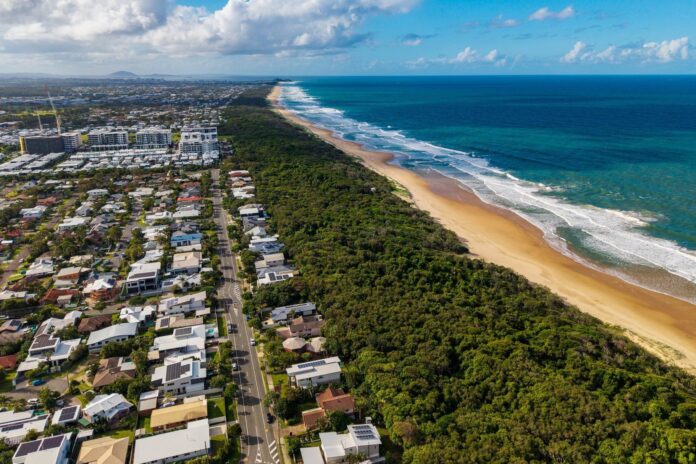
A wastewater treatment plant remains in line for a substantial expansion as part of a long-term program that also includes offshore upgrades and possible duplication of a deepwater outfall.
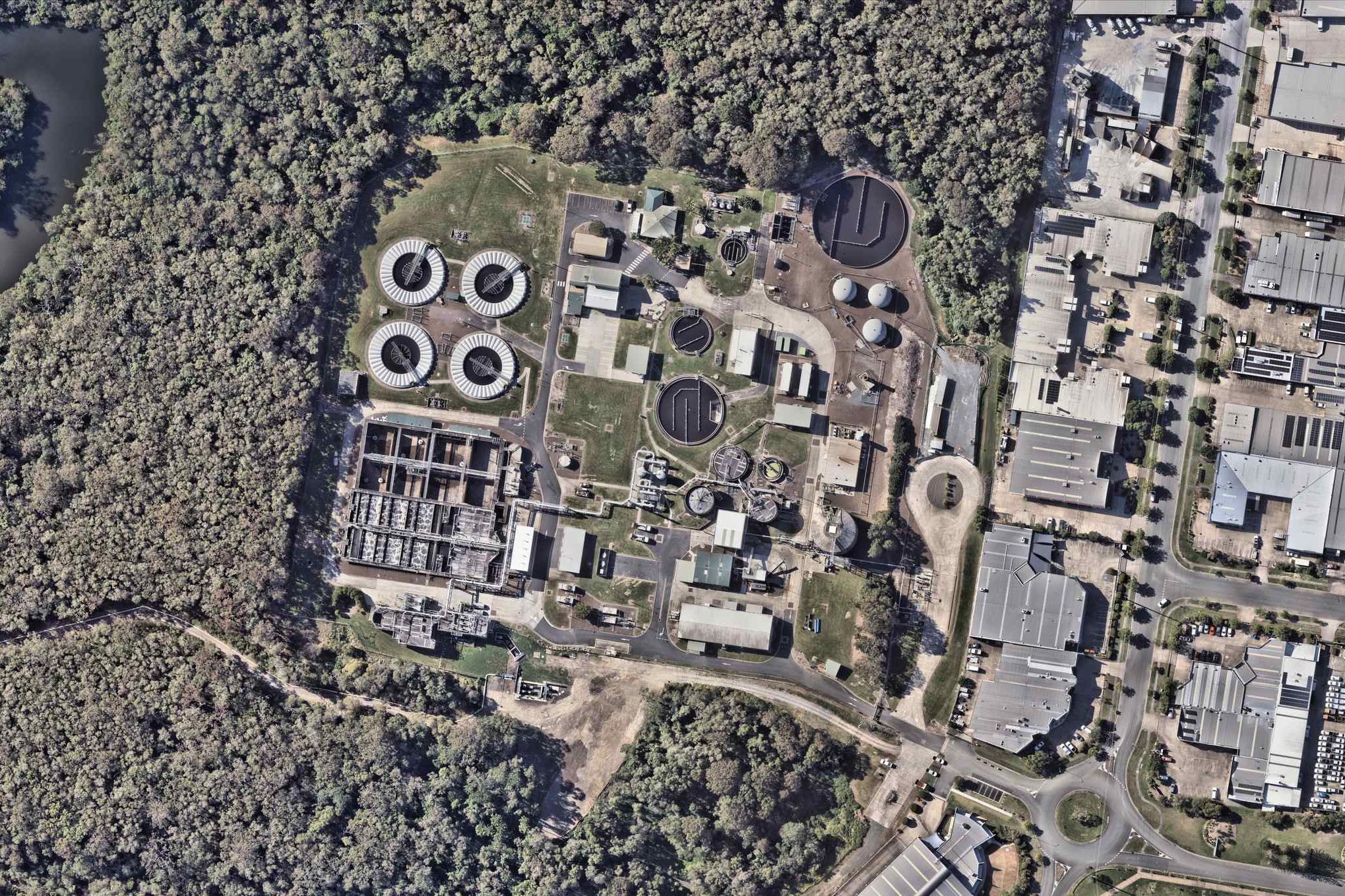
The Kawana Water Resource Recovery Facility currently services about 160,000 equivalent persons, but Unitywater’s planned staged upgrade is expected to lift its treatment capacity to about 300,000 equivalent persons.
The plant expansion was referred for federal environmental assessment earlier this year because of potential impacts on threatened species and habitat. The project is still undergoing federal environmental assessment under the Environment Protection and Biodiversity Conservation Act.
The water authority is also replacing marine diffusers at the end of the existing deepwater ocean outfall at Kawana and is considering installing a second pipeline, for treated wastewater to flow into the sea, within a decade.
Unitywater executive manager of sustainable infrastructure solutions Mike Basterfield said a “large, long-term upgrade and investment program” was designed to prepare the network for long-term demand.
“As our service region grows, we have the important task of enabling new homes through growth and upgraded infrastructure to ensure we continue to provide reliable water and wastewater services for the current population and the communities of the future,” he said.
“We are continuously working to balance infrastructure needs with positive environmental outcomes.”
The resource recovery facility is one of Unitywater’s largest treatment plants and services an area extending beyond Kawana to the Landsborough catchment and growth areas such as Aura, Palmview and Beerwah East.
“The water resource recovery facility upgrade involves constructing new facilities within the existing site to increase treatment capacity, improve wastewater quality, support forecast population growth, address ageing infrastructure and improve environmental performance,” Mr Basterfield said.
Do you have an opinion to share? Submit a Letter to the Editor at Sunshine Coast News via news@sunshinecoastnews.com.au. You must include your name and suburb.
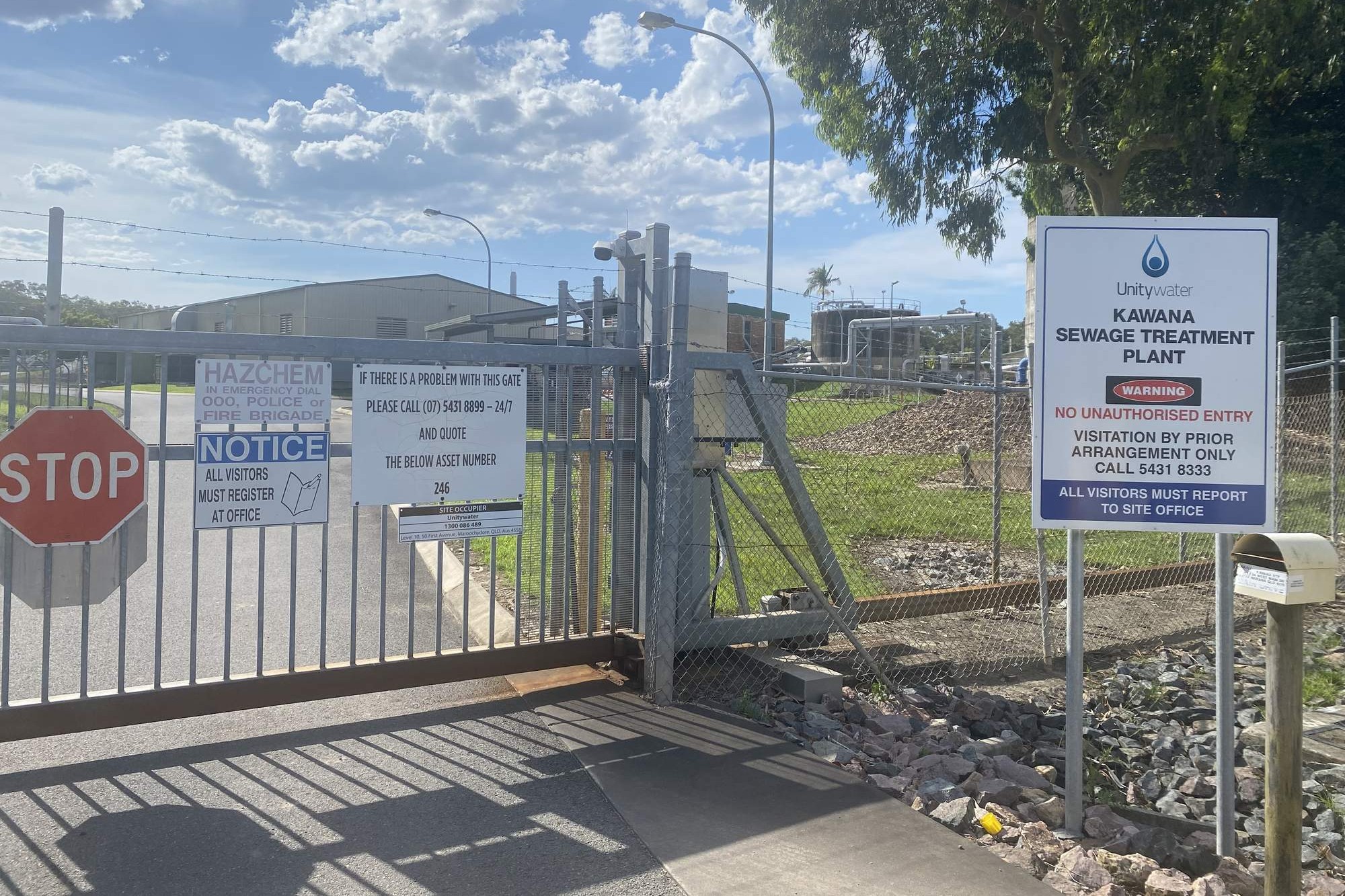
Stage 1 of the plant upgrade is proposed to start in 2027 within the existing operational footprint, while later stages involving new infrastructure remain subject to environmental and other approvals.
Mr Basterfield said a potential duplication of the deepwater ocean outfall off Kawana was also being considered.
“It would be positioned in the same location as the existing deepwater ocean outfall pipe and might be required around 2034,” he said.
“Any development would be subject to environmental assessments, state and federal regulatory approvals and consultation with relevant stakeholders.”
He said Unitywater regarded a future duplication as “the most environmentally responsible option for meeting projected network demand while safeguarding public health and supporting positive environmental outcomes”.
Meanwhile, current offshore works, involving the vessel Iluka, include replacing 32 marine diffusers at the end of the existing deepwater ocean outfall.
Mr Basterfield said the diffusers were used to disperse treated water into the ocean, with the replacement intended to improve the longevity, reliability and capacity of the system.
The work is expected to be completed by January.
Further work on the existing outfall pipeline is scheduled for early 2027, to extend the life of the asset, with Unitywater still evaluating the full scope.
Sunshine Coast News has asked Unitywater about project costs and the timing of the proposed plant upgrade and is awaiting a response.
SCN has also requested comments from the water authority, the federal Environmental Protection Agency and the Department of Climate Change, Energy, Environment and Water regarding the environmental assessment.
The aerial imagery in this story is from Australian location intelligence company Nearmap. The company provides government organisations, architectural, construction and engineering firms, and other companies, with easy, instant access to high-resolution aerial imagery, city-scale 3D content, artificial intelligence data sets, and geospatial tools to assist with urban planning, monitoring and development projects in Australia, New Zealand and North America.