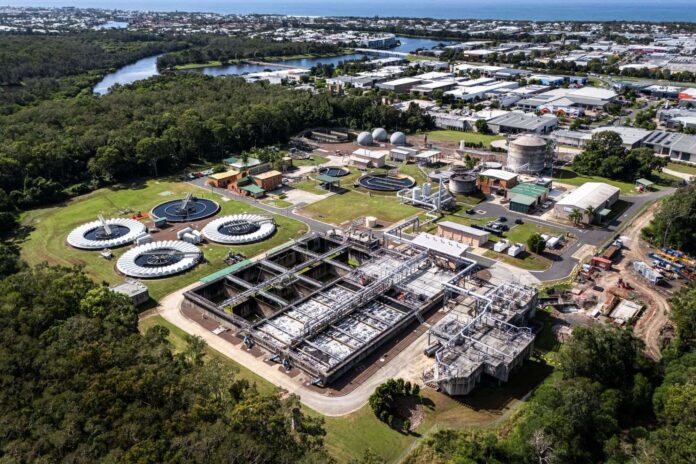
A Sunshine Coast wastewater treatment plant has been earmarked for an upgrade and expansion but faces scrutiny from authorities because it could impact threatened species.
The Kawana Wastewater Treatment Plant is in line for major works, to cater for the area’s population, which is expected to double within 15 years.
The project is being assessed by the federal government’s Department of Climate Change, Energy, the Environment and Water, largely because it could significantly impact threatened species including water mouse, grey-headed flying fox and coastal swamp sclerophyll forest.
The water utility has outlined its plans for the plant, on West Main Drive at Warana, and its intention to restrict environmental effects.
Unitywater executive manager Sustainable Infrastructure Solutions Mike Basterfield said a the project’s preliminary phase was underway.
“Unitywater has undertaken early design activities, including initial site and planning investigations and engagement with Traditional Owners (Kabi Kabi) and key local environmental groups to inform our efforts to minimise any potential impacts to the natural environment, such as clearing vegetation,” he said.
He said the facility was ageing and required improving and expanding. It could be completed by 2031.
“The Kawana WWTP was originally constructed in 1981 and requires an upgrade to ensure the continued safe and reliable treatment of wastewater across a large area of the Sunshine Coast facing rapid growth.
“The facility currently services over 150,000 people across Banya, Baringa, Buddina, Buderim (South), Chancellor Park, Minyama, Nirimba, Palmview, Parrearra, Pelican Waters and Sippy Downs (but) the population across these suburbs is projected to double within the next 15 years.
Want more free local news? Follow Sunshine Coast News on Facebook, LinkedIn and Instagram, and sign up for our FREE daily news email.
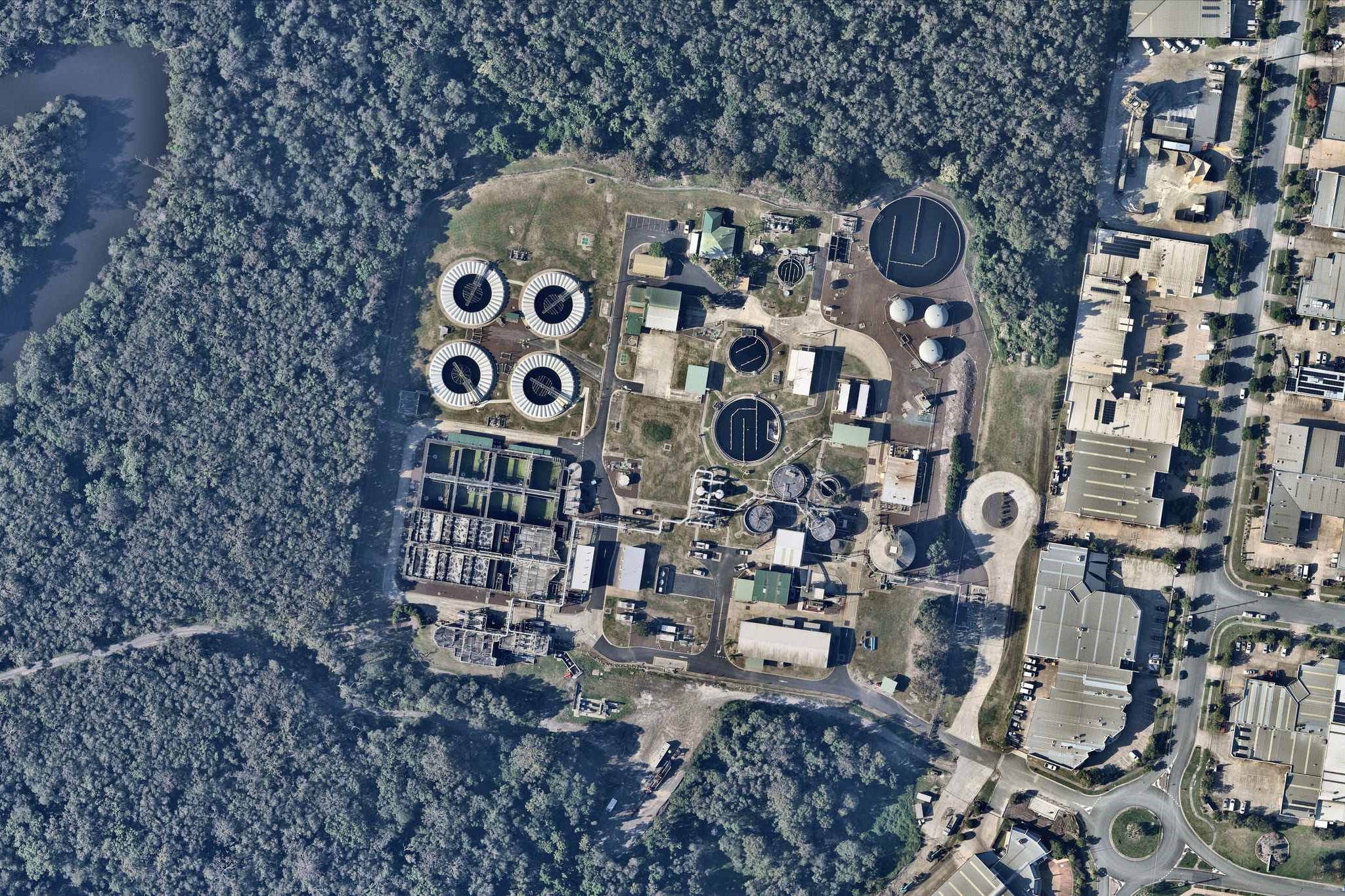
“Following a multi-year review, Unitywater has identified several technical options to decide how new treatment equipment and structures may be built on site, with an ongoing analysis underway. This analysis will determine the associated costs but is anticipated to inject several million dollars into the local economy.”
The federal government revealed in early February that the upgrade and expansion of the existing plant, including the construction and operation of the facility “will require assessment and approval under the EPBC (Environmental Protectino Biodiversity Conservation) Act before it can proceed”.
The project referral stated that activities could include vegetation clearing and construction.
It stated that the proposed action is likely to affect the vulnerable grey-headed flying and water mouse, and the endangered coastal swamp sclerophyll forest, mainly by impacting to habitat areas. Several other species were faced with less significant potential impacts.
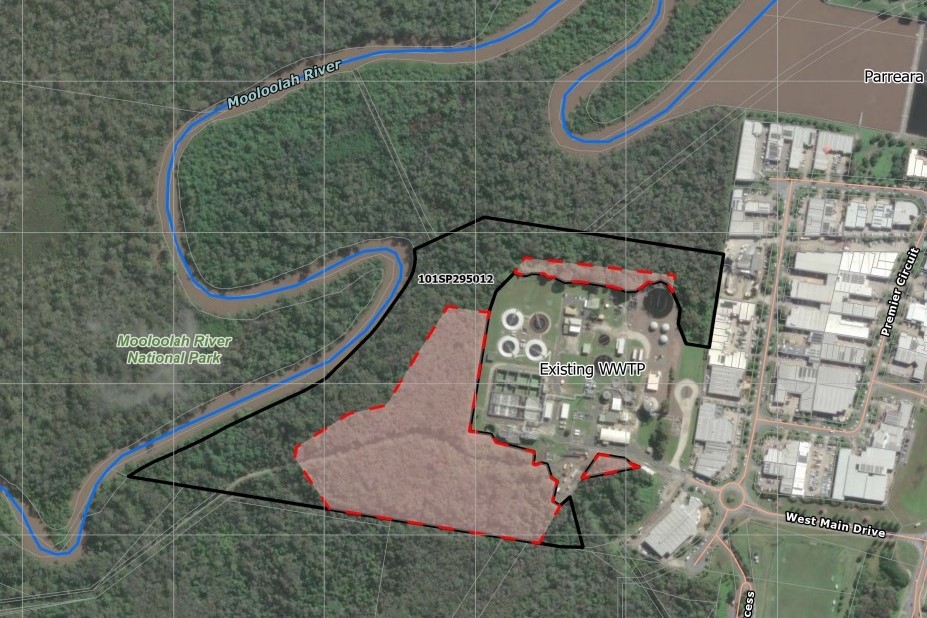
The water utility listed “comprehensive mitigation measures” for each.
Some of the measures for the grey-headed flying fox include minimising clearing during breeding season, and retention of large canopy trees for foraging. For the water mouse, it includes retaining habitat trees where possible, and inspection of potential nests prior to clearing using cameras. Coastal swamp forest measures include minimising the clearing footprint and rehabilitation of disturbed areas.
Meanwhile, Unitywater stated that it investigated the construction of a new treatment plant within Aura but added that it would treat effluent to the Pumicestone Passage, so the option was ruled out.
The aerial imagery in this story is from Australian location intelligence company Nearmap. The company provides government organisations, architectural, construction and engineering firms, and other companies, with easy, instant access to high-resolution aerial imagery, city-scale 3D content, artificial intelligence data sets, and geospatial tools to assist with urban planning, monitoring and development projects in Australia, New Zealand and North America.