
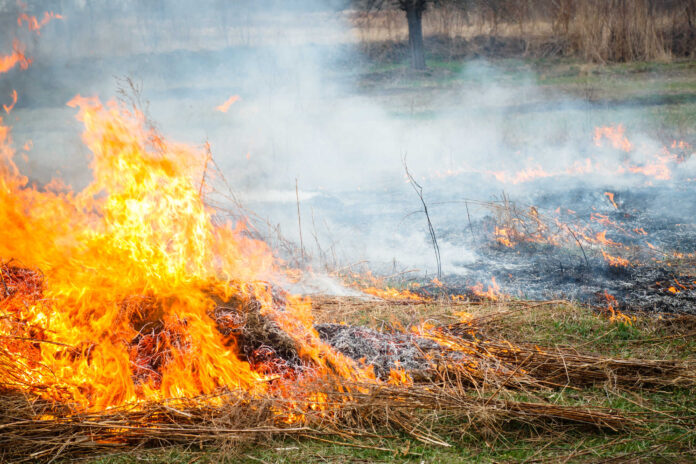
A University of the Sunshine Coast study has identified a potential way to help combat bushfires and give communities more time to prepare or evacuate.
New modelling shows that irrigating low-flammability vegetation substantially reduces the predicted spread and intensity of fires.
It coincides with the start of Australia’s bushfire season, with fire authorities forecasting heightened bushfire risk across several parts of the country, including central and southern Queensland.
UniSC researchers used high-tech computer software to simulate how different types of vegetation, moisture levels and weather influenced fire behaviour, focusing on the Noosa Shire where many homes border bushland.
Green firebreaks are strips of strategically planted low flammability, fire-resistant vegetation which are designed to reduce the spread of bushfires, particularly in areas where development has expanded into fire risk zones.
The study investigated the impact of adding irrigation to green firebreaks in drought conditions when the threat of bushfire is often greatest.
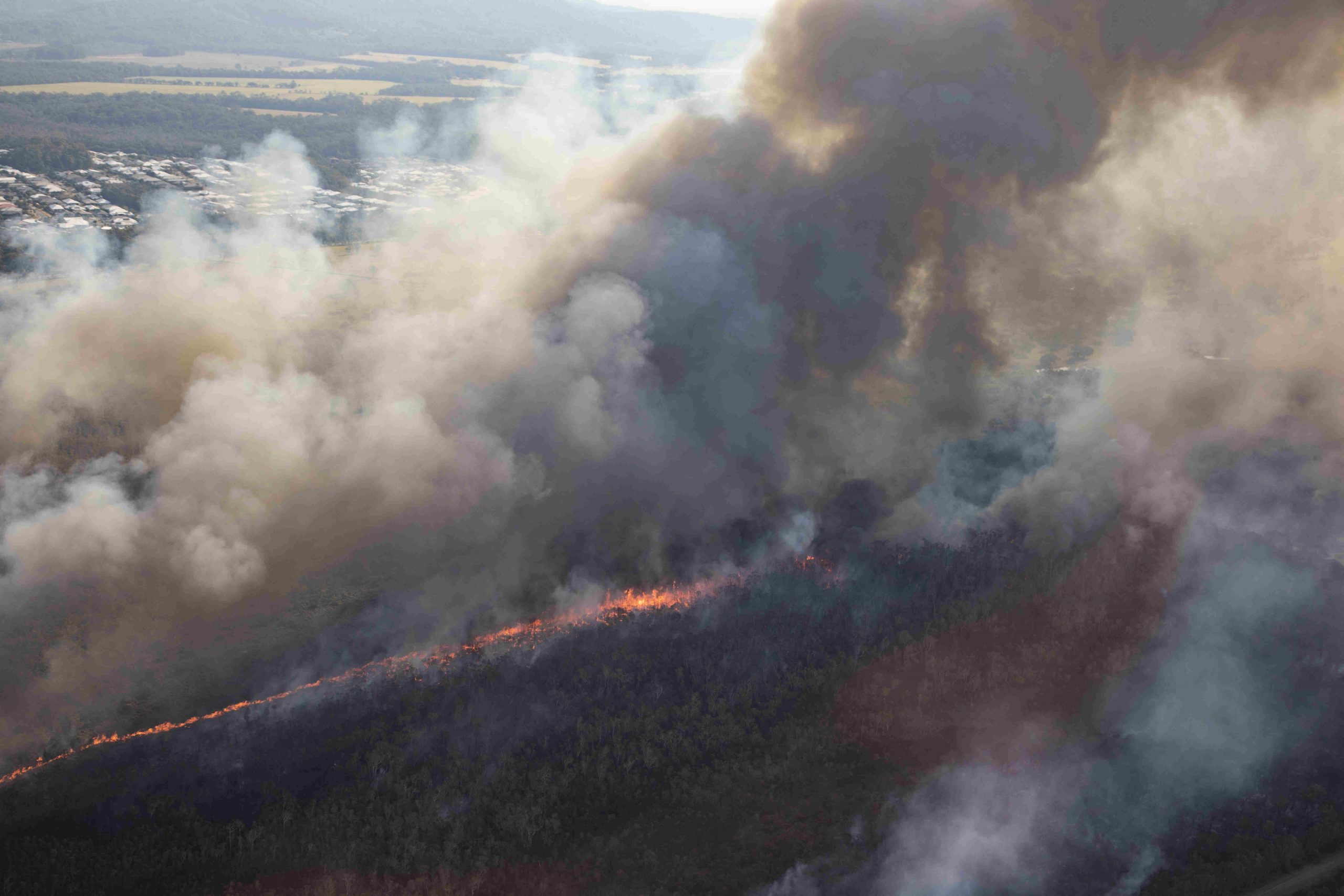
Researchers used computer modelling to compare 20 scenarios across dry eucalypt forest, non-irrigated green firebreaks and irrigated green firebreaks that received tiny amounts of water each day.
UniSC lead researcher and PhD student Jady Smith said the modelling showed a consistent reduction in the predicted spread and intensity of bushfires when green firebreaks were irrigated, including under the most severe conditions tested.
“Our preliminary assessment indicates that keeping vegetation moist has a significant impact on how a fire behaves,” he said.
“The modelling shows even small amounts of water, such as 1mm or 2mm a day, can slow the spread and reduce the intensity of bushfires, even in catastrophic conditions.”

In moderate fire weather, for example, the modelling predicted fire would spread nearly four times faster in the dry eucalypt forest scenario than in the non-irrigated green firebreak, and more than 80 times faster than in the irrigated green firebreak receiving 2mm of water daily.
The modelling also predicted: the dry eucalypt forest scenario would produce the fastest moving and most intense bushfires; and the non-irrigated green firebreak scenarios reduced fire behaviour, but extreme weather could still cause bushfires too powerful for fire fighters to control.
Study co-author and UniSC research fellow Sam Van Holsbeeck said while the findings are promising, more research is required.
“Our findings provide an initial proof of concept in one specific region and suggest irrigated green firebreaks could complement existing fire management strategies,” Dr Van Holsbeeck said.
“Irrigated green firebreaks may increase the time available for warnings, preparation, evacuation or fighting fires, but they aren’t suitable for every location and can’t stop all fires.
“We need to work out the best plants to use, how to design the watering systems, where to get the water and perform tests in real-world conditions.”
Mr Smith, a researcher at UniSC’s Forest Research Institute and Natural Hazards Research Australia, and Dr Van Holsbeeck co-authored the study with colleagues Anthony Power and Professor Francis (Jack) Putz.
The study has been published in the journal Fire.
Want more free local news? Follow Sunshine Coast News on Facebook, LinkedIn and Instagram, and sign up for our FREE daily news email.