

A venue’s sense of belonging could be just as important as the event itself when it comes to getting people through the door and keeping them coming back.
New University of the Sunshine Coast research has found that emotional connections to places can drive attendance and spending, with atmosphere and identity emerging as powerful influences on event-goers.
The findings could have particular relevance for the Coast, which will host several events during the 2032 Olympic and Paralympic Games.
Dr Lenny Vance and five UniSC colleagues initially set out to investigate ways to strengthen night-time economies, but their research revealed broader lessons for communities, sporting clubs, social groups and other organisations.
“I think the biggest learning is you can’t just build a nightlife offer, you need to build a sense of place,” Dr Vance said.
“Atmosphere matters. People develop emotional and symbolic connections to places, to the extent a venue, precinct or region becomes central to how they see themselves.
“Our research found a strong relationship between place identity, the frequency of attendance and expenditure.
“Things like transportation and meeting safety requirements get people through the door, but making them feel the space reflects their values leads to long-term loyalty and spending.”
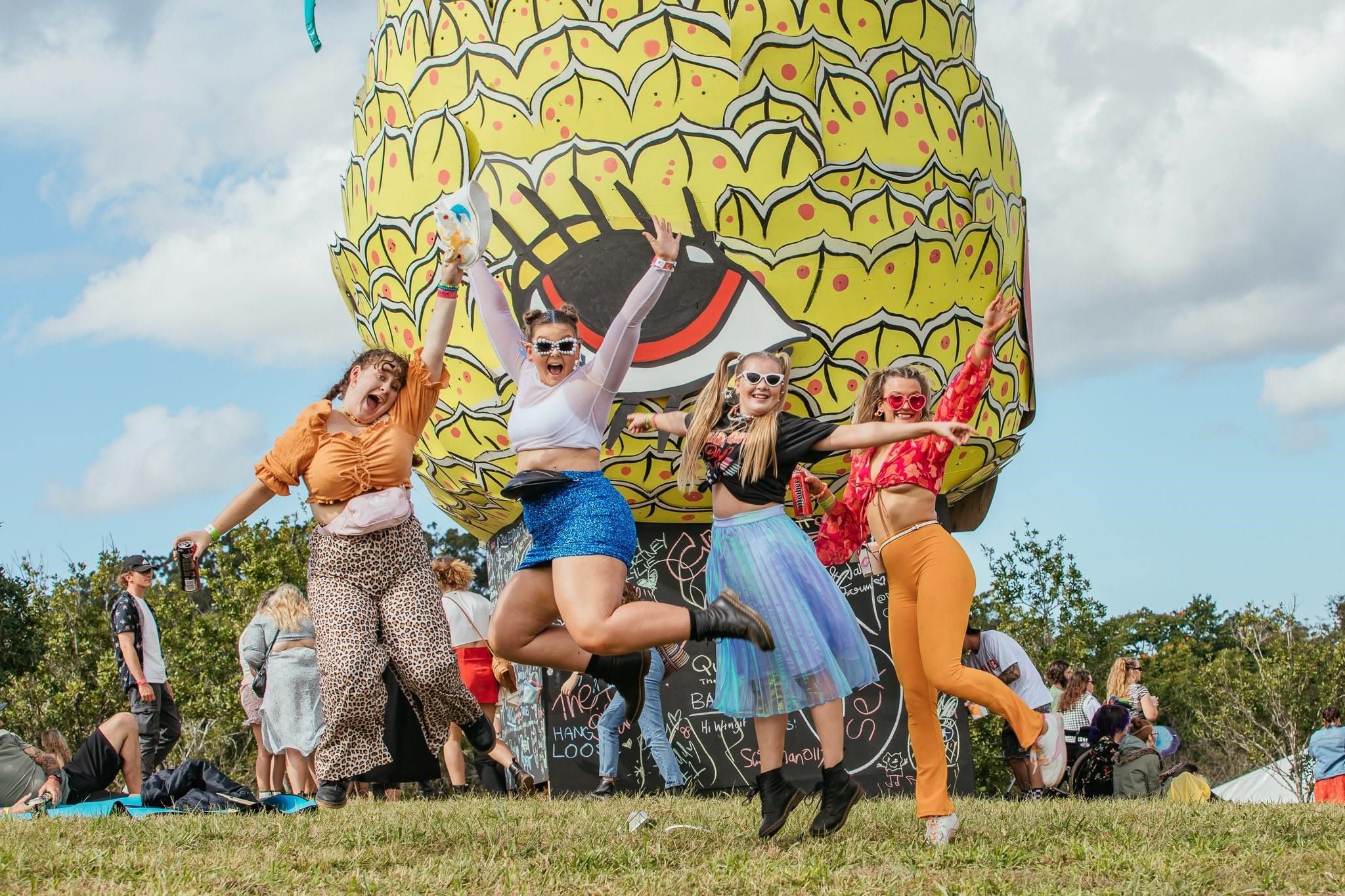
The study surveyed 577 Sunshine Coast residents and confirmed security, transport, entertainment quality and social considerations were major factors in deciding whether to attend an event.
But a sense of identity with the venue proved a stronger lure than researchers had anticipated.
The finding comes as the Coast grapples with the challenge of building a cohesive events and nightlife culture across a region of distinct community hubs.
Unlike many larger cities, the region does not have a traditional “hub-and-spoke” structure, with population and activity spread across a broad area.
Do you have an opinion to share? Submit a Letter to the Editor at Sunshine Coast News via news@sunshinecoastnews.com.au. You must include your name and suburb.
Researchers found the concept of a “third place” – somewhere people regularly spend time outside home and work – was central to understanding how communities can encourage habitual attendance.
“A fundamental aspect of humans is a desire for social inclusion and this is often sought in ‘third places’ that foster a sense of belonging,” Dr Vance said.
“However, post-pandemic shifts in behaviour, along with younger generations increasingly prioritising personal time and wellbeing, suggest that not everyone is chasing the next big night out.
“While our research was initially triggered by challenges for the live music and entertainment sector, we acknowledge the findings would likely apply to other contexts.
“It could be applicable to community groups, sporting or social clubs, or places that require volunteerism, for example.”
FOMO – fear of missing out – was also identified as a powerful force, capable of overcoming barriers that might otherwise keep people at home.
The research, published in the Journal of Services Marketing, was co-authored by Associate Professor Rory Mulcahy, Dr David Fleischman, Dr Henry Dugmore and ARIA award winners Dr Andy Ward and Dr Lachlan Goold.
Dr Vance is also president of the Sunshine Coast Events Industry Association. The research follows the release of Queensland’s Nightlife Commissioner Report and the State Government Action Plan.