
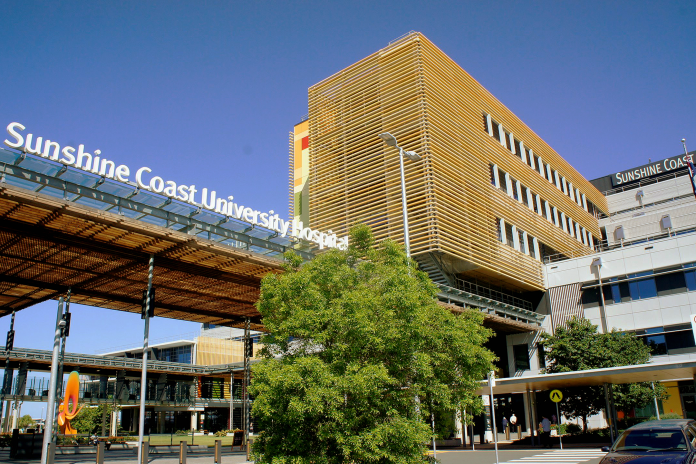
Almost 100 older Sunshine Coast residents who are ready to leave hospital are occupying beds while they wait for aged-care placements.
Queensland Health data shows more than 1100 people are in the same position statewide, with the number of long-stay patients experiencing delayed discharge more than tripling since 2022.
Sunshine Coast Hospital and Health Service chief executive Peter Gillies said prolonged hospital stays could affect older people’s mobility and ability to live independently, while tying up beds and staff needed by others requiring urgent care.
The Federal Government told Sunshine Coast News it was investing heavily in aged care and working with states and territories to ensure older Australians were not left in hospital when they were ready to move to more suitable care.
Mr Gillies said older people should leave hospital as soon as it was safe and appropriate, with returning home or to a community setting supporting recovery and ensuring hospital resources remained available for others.
“For older Queenslanders, staying in hospital longer than necessary can expose them to risks including reduced mobility and loss of independence,” he said.
“Hospitals play a vital role in providing care when patients are acutely unwell, but it’s important that we discharge people as soon as it is safe and appropriate to do so.
“Returning home or to a community setting supports recovery by allowing patients to reconnect with their usual routines, family, and support networks. It also ensures that hospital beds and staff are available for others who need urgent care.”
Funding the aged-care sector is a federal responsibility.
An Australian Government spokesperson told SCN the Commonwealth was investing heavily in aged care, including an additional $2 billion to support the sector to build 5000 more aged-care beds each year, and would continue working with states and territories to ensure older Australians were not stuck in hospital when they were ready to move on to more suitable care.
“Our government has made record investments in our residential aged care and home care system to ensure every older Australian gets the care they deserve and doesn’t have to languish in hospital when they could recover at home,” they said.
“The Albanese Government is delivering $47 billion this financial year to strengthen the system, bring down wait times and deliver care to more older Australians than any previous government.
“We’ve already invested an unprecedented $1 billion through our aged care capital grants program, including around $180 million for projects in Queensland.
“In this year’s Budget, we again invested heavily to get new beds in the system, with an additional $2 billion to support the sector to build 5000 more aged care beds each year through added incentives and increasing payments to providers.
“We’ll continue working with states and territories to ensure older Australians aren’t stuck in hospital when they’re ready to move on to more suitable care.”
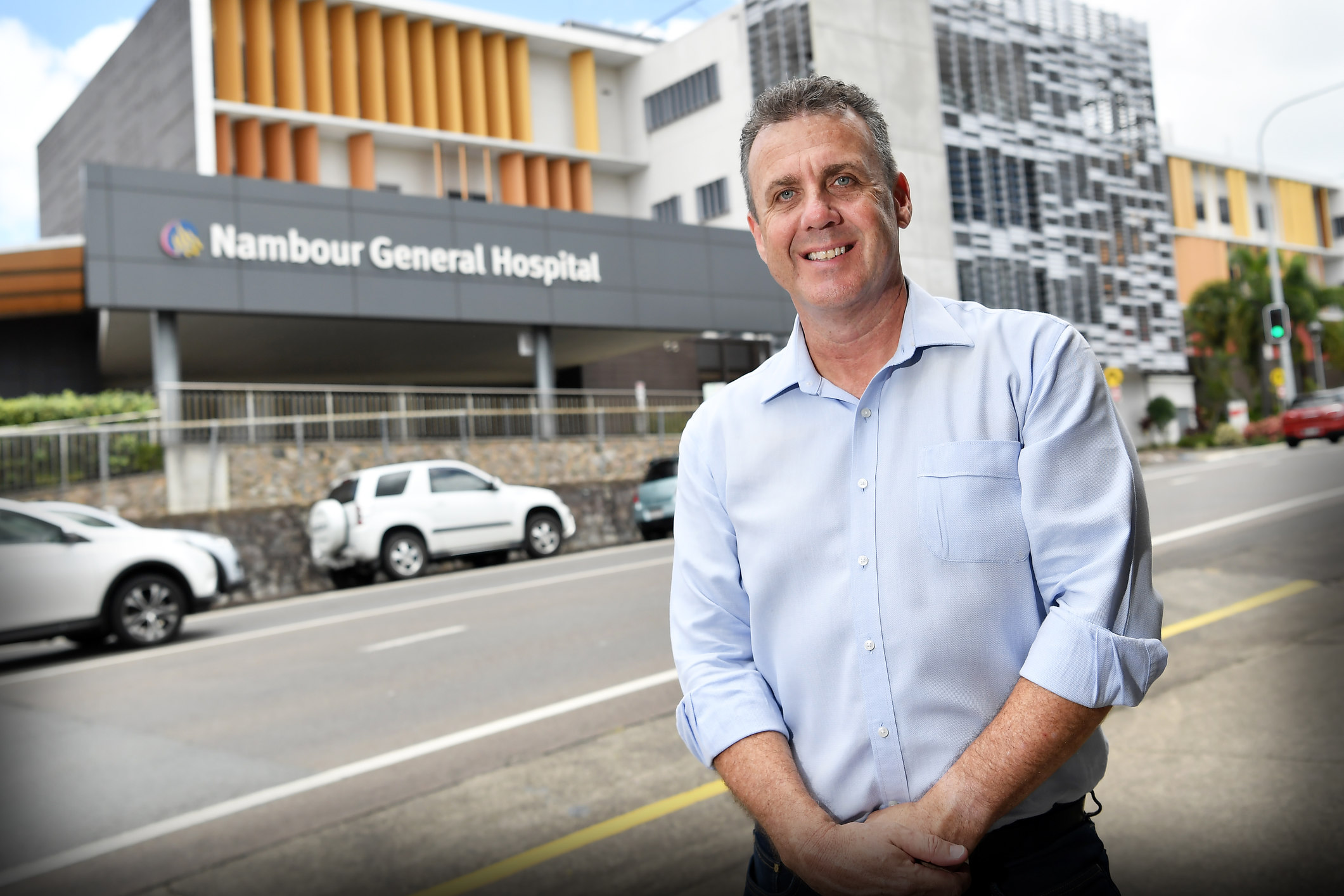
Member for Nicklin Marty Hunt said the strain on the aged-care system was likely to grow, with demand for residential care forecast to rise by 60 per cent over the next decade and people aged 65 and over expected to account for one in five Queenslanders by 2041.
“The reality is that long-stay patients affect every part of the system, not just at Nambour Hospital and other Sunshine Coast Health facilities, but Queensland and the rest of the country,” he said.
“When beds are tied up, patients wait longer in emergency departments, ambulances wait longer to transfer patients, and hardworking frontline clinicians are stretched further.”
Queensland Health said state measures to ease pressure included improving patient flow, investing in interim care beds and expanding alternatives to hospital admission.
The state government is also investing $18.5 billion in its Hospital Rescue Plan, which includes more than 2600 beds, three new hospitals and expansions of 10 major hospitals.
Related story: Grandmother waits months for approved care