
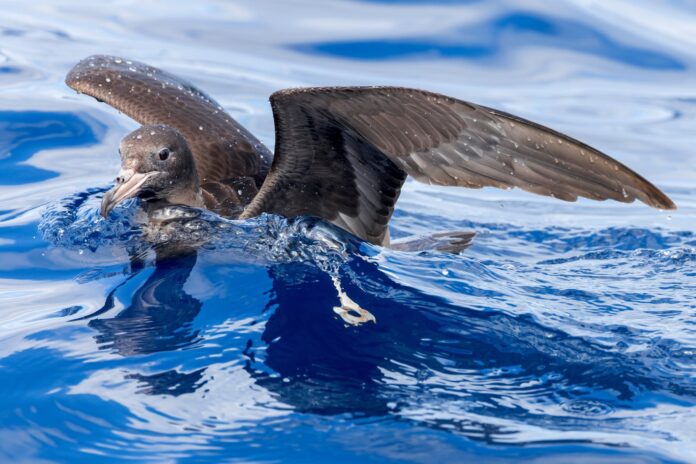
Bird flu has been detected in a dead shearwater on a Sunshine Coast beach.
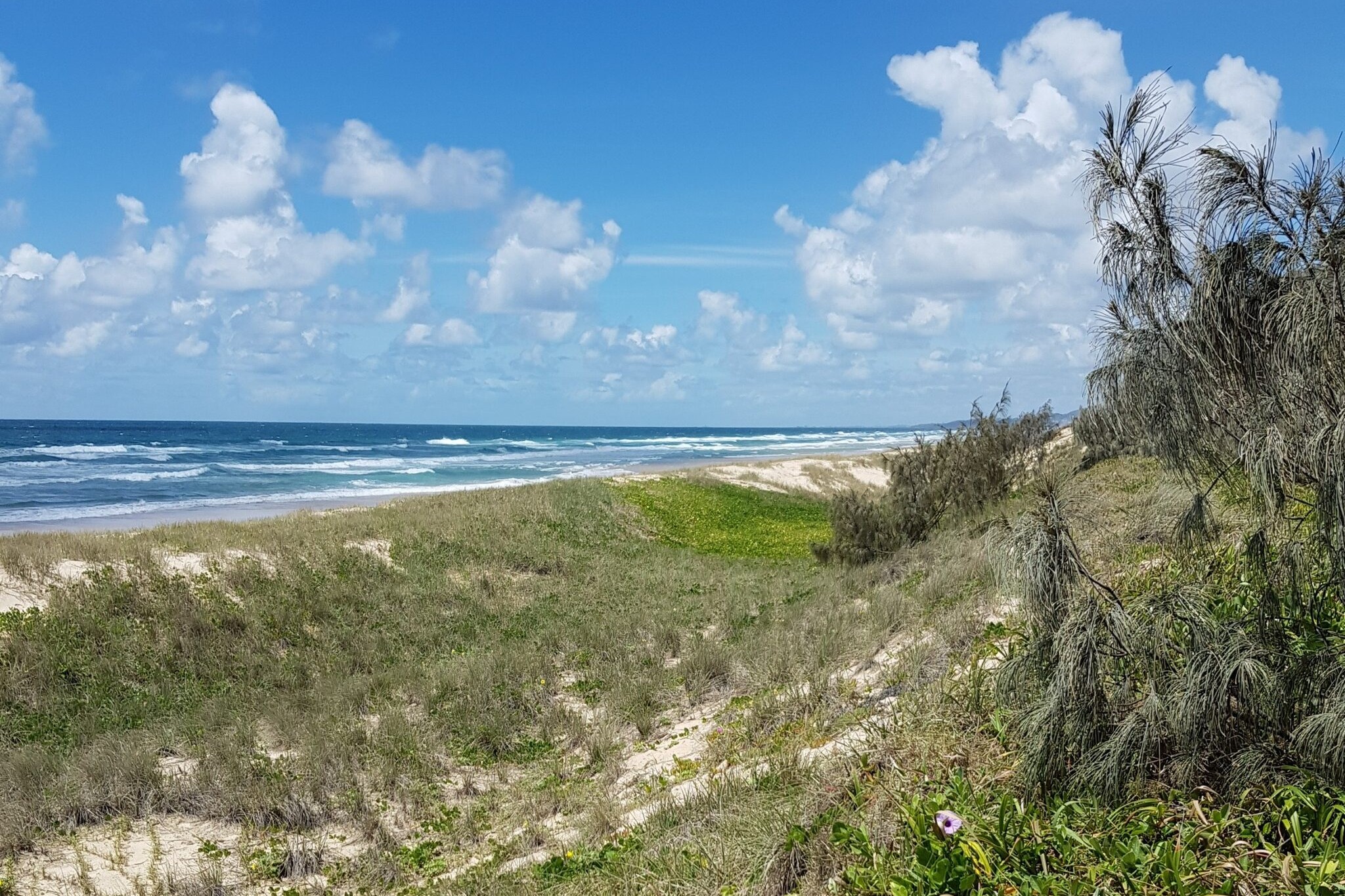
Samples from the migratory bird, located on Castaways Beach, tested positive for H5 bird flu during initial testing at the state government’s Biosecurity Sciences Laboratory on Monday night.
Samples have been sent to CSIRO’s Australian Centre for Disease Preparedness for confirmatory testing.
It’s the second detection of bird flu in Queensland, after a dead petrel was found at Moreton Island.
There remains no detection in poultry, nor evidence of large-scale deaths in any animals in Queensland.
H5 bird flu is not able to be eradicated in wild birds and is expected to remain an ongoing wildlife disease that will require continued monitoring and management.
DPI chief veterinary officer Dr Allison Crook said the bird was found as part of Queensland’s enhanced H5 bird flu surveillance program.
“A member of the public saw this dead bird and immediately reported it,” she said.
“This is one of more than 3000 reports in Queensland to the Emergency Animal Disease Hotline and I thank the public for their support.
“If you find sick or dead wild birds or wildlife, avoid contact, keep children and pets away, record what you see, and report immediately to the Emergency Animal Disease Hotline on 1800 675 888.”
Dr Crook said Queensland was well prepared to respond to the latest event and the DPI had an Incident Management Team that was responding swiftly, prioritising heightened surveillance, stakeholder engagement and regular public communication.
“We are continuing our enhanced passive surveillance program throughout the state and would encourage the community and industry to continue to be vigilant,” Dr Crook said.
Australia now has confirmed detections of H5 avian bird flu in wildlife across most states.
Help us deliver more news by registering for our FREE daily news feed. All it requires is your email at the bottom of this article.

South Australia has also had mass mortality events in wild birds and, for the first time in Australia, a confirmed detection in a marine mammal this week.
The community has been urged to continue to report sick or dead wild birds.