
A seabird suspected of carrying a deadly strain of the bird flu virus in another Australian state has tested negative.
The northern giant petrel found at a Noosa beach underwent testing after it was recovered on Saturday and has since returned a negative result for H5N1, Queensland’s Department of Primary Industries said on Tuesday.
A total of 13 detections have been recorded across Western Australia, South Australia and New South Wales.
Authorities have been on high alert after the deadly strain was discovered in a native seabird for the first time, sparking fears it could trigger a national wildlife emergency.
Testing in the past week detected H5N1 in a greater crested tern discovered at Robe, South Australia.
It marked the first known infection in a wild non-migratory mainland bird rather than a migratory species from the Southern Ocean.
It took the total confirmed or presumed H5 cases in Australia to 13.
Almost all the infected birds to date have involved sub-Antarctic species capable of travelling thousands of kilometres across the southern oceans in search of food, making them likely spreaders of the virus.
Coastal birds like the tern found in SA, which nests in colonies, are particularly susceptible.
Giant petrels are uncommon winter visitors in Queensland waters.
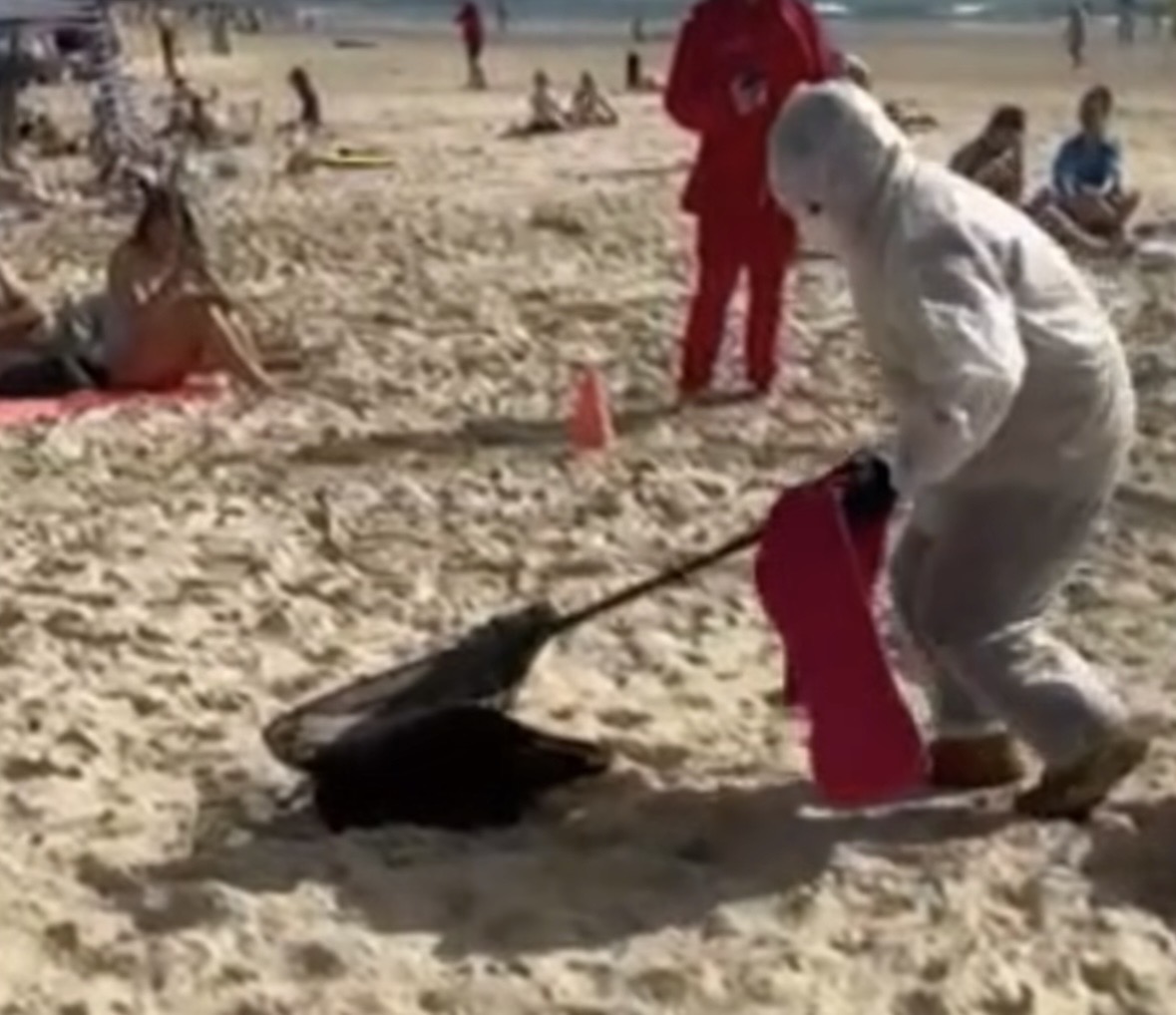
Earlier: A northern giant petrel found struggling on a popular beach has become the focus of a bird flu investigation, with wildlife carers taking extra precautions while awaiting test results.
The bird was first spotted at Tea Tree Bay before being found stranded at Noosa Main Beach on Saturday, where Wildlife Noosa was called in to assist with its rescue.
Wildlife rescuer Will Watson said the bird had been showing unusual behaviour before it was collected.
“It was acting a bit strange in the surf break. It wasn’t really moving and it was sort of going in circles. Those are very similar signs to what we’ve been told to look out for, so it can be difficult to tell the difference,” he said.
“It was all precautionary to make sure it was tested.”
The bird was taken to RSPCA Queensland’s Wildlife Rehabilitation Centre at Eumundi, where it was assessed and swab tested on Saturday for H5 avian influenza, also known as bird flu.
It was then transferred to Twinnies Pelican and Seabird Rescue at Landsborough, where it remains in quarantine while awaiting test results.
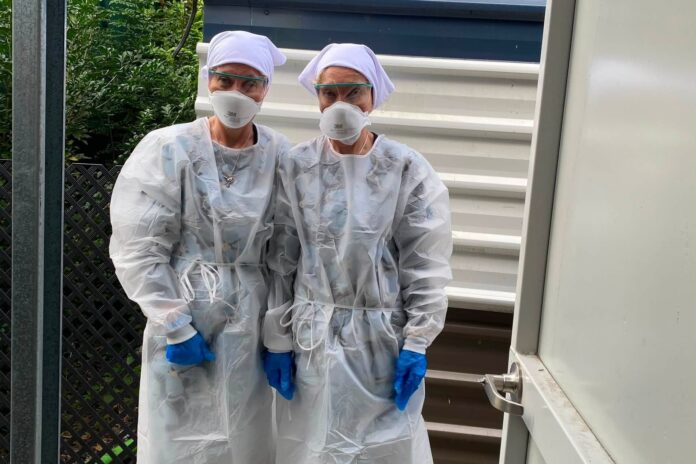
Twinnies founders Bridgette and Paula Powers told their social media followers the bird was alive when they checked on it the following morning and that preparations were underway while they waited for the results.
“We have to take precautions as these poor beautiful birds have been affected in other states, hopefully this one comes back negative like the other one we have in care,” they wrote on a Facebook post.
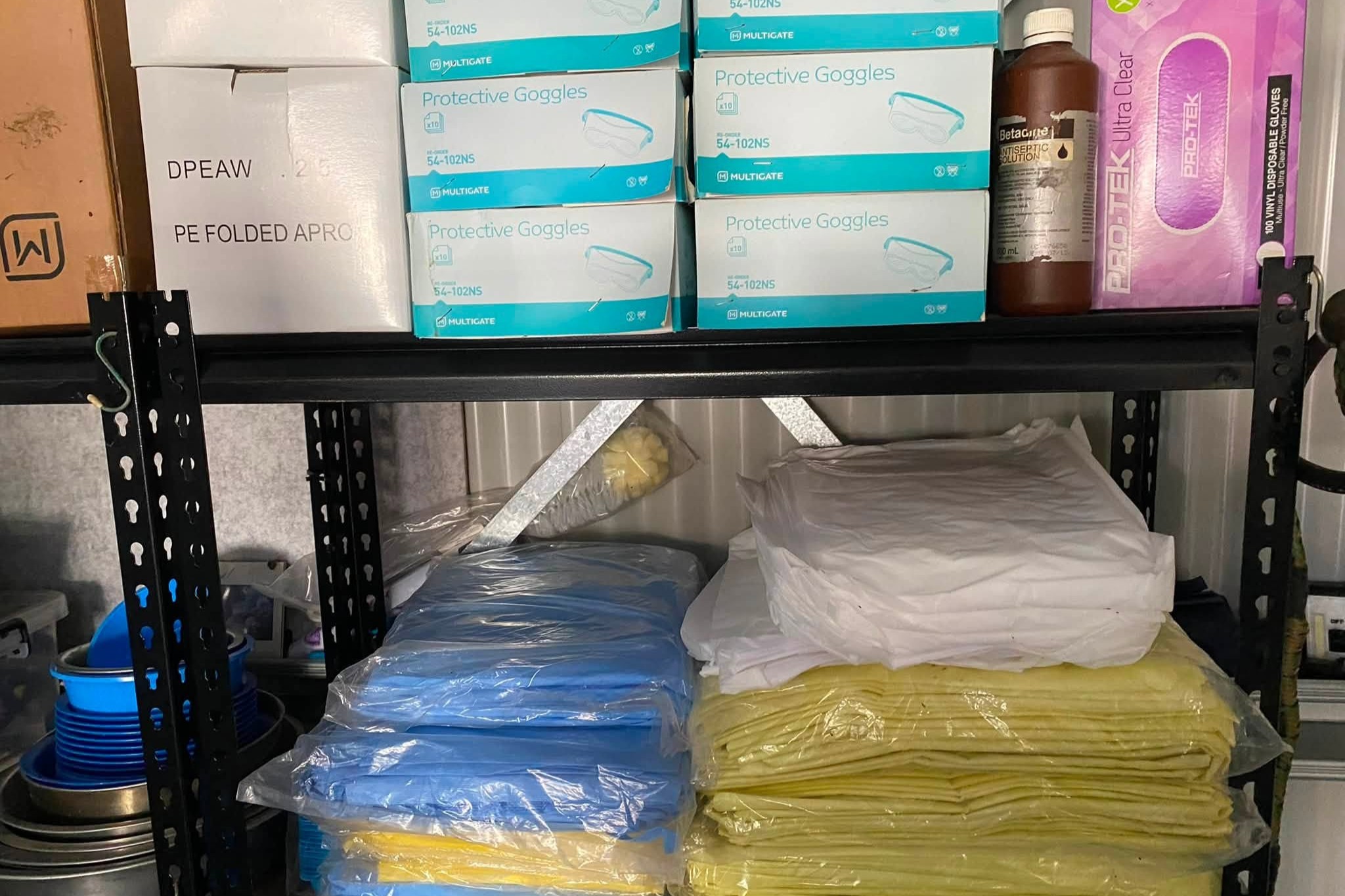
The Landsborough-based rescue group has also been preparing for the possibility of more cases, recently launching an appeal to raise $30,000 for a larger quarantine facility.
The community rallied behind the appeal, with the Twinnies reaching their fundraising target within 48 hours.
The testing comes after the H5 strain of avian influenza was detected in an Australian seabird for the first time last week.
The Department of Agriculture, Fisheries and Forestry (DAFF) has been providing regular updates on detections, with 13 confirmed cases of the H5 strain in wild birds across Australia as of 9am Monday.
Wildlife Noosa said there are currently no confirmed cases of H5 avian influenza in Queensland, but warned the arrival of the virus in Australian wildlife has changed how the public should respond to sick or stranded seabirds.
The group said people should no longer attempt to handle or rescue birds themselves, as suspected cases may need to be collected under strict biosecurity protocols and transported for testing.
“If you find a sick or stranded migratory seabird, do not approach or handle the bird,” a Wildlife Noosa spokesperson said.
“Keep yourself, other people and pets well away from it and contact any of the numbers provided immediately.”
Do you have an opinion to share? Submit a Letter to the Editor at Sunshine Coast News via news@sunshinecoastnews.com.au. You must include your name and suburb.
The organisation said wildlife rescue groups could face increased pressure if more cases emerge, with limited quarantine facilities, volunteers, vehicles and resources available.
RSPCA Australia is also urging pet owners to take precautions as avian influenza continues to be monitored, including keeping dogs away from sick or deceased wildlife, containing cats where possible, and protecting backyard birds’ food and water from wild animals.
An RSPCA Queensland spokesperson said the organisation was working closely with government and sector partners on preparedness.
“RSPCA Queensland is closely monitoring the H5 bird flu situation and will continue to follow the advice of the lead government agencies, including the Australian Government’s Department of Agriculture, Fisheries and Forestry and Queensland’s Department of Primary Industries,” they said.
“Our focus is on clear guidance, safe practices, animal welfare, staff safety and biosecurity.
“We will continue to review our preparedness arrangements and adjust our approach in line with government advice and the level of risk.”
Anyone who finds a stranded or unwell seabird is urged not to handle it and to contact Wildlife Noosa on 0419 046 999, the Emergency Animal Disease Hotline on 1800 675 888, or Biosecurity Queensland on 13 25 23.