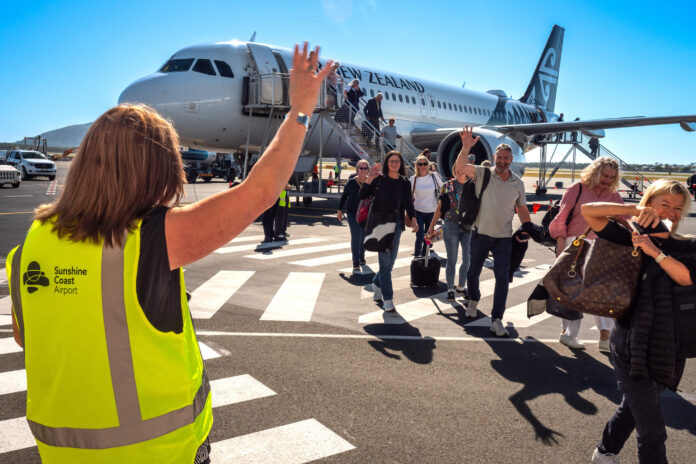
Sunshine Coast Airport has reached 65 years of connecting the region, evolving from a modest grass strip to a thriving terminal.
The first aircraft landed on the isolated marshland site at Marcoola on August 15, 1959, when pilots Roy Kassulke and Bill Edgar arrived aboard an HT-2 Hindustani Trainer.
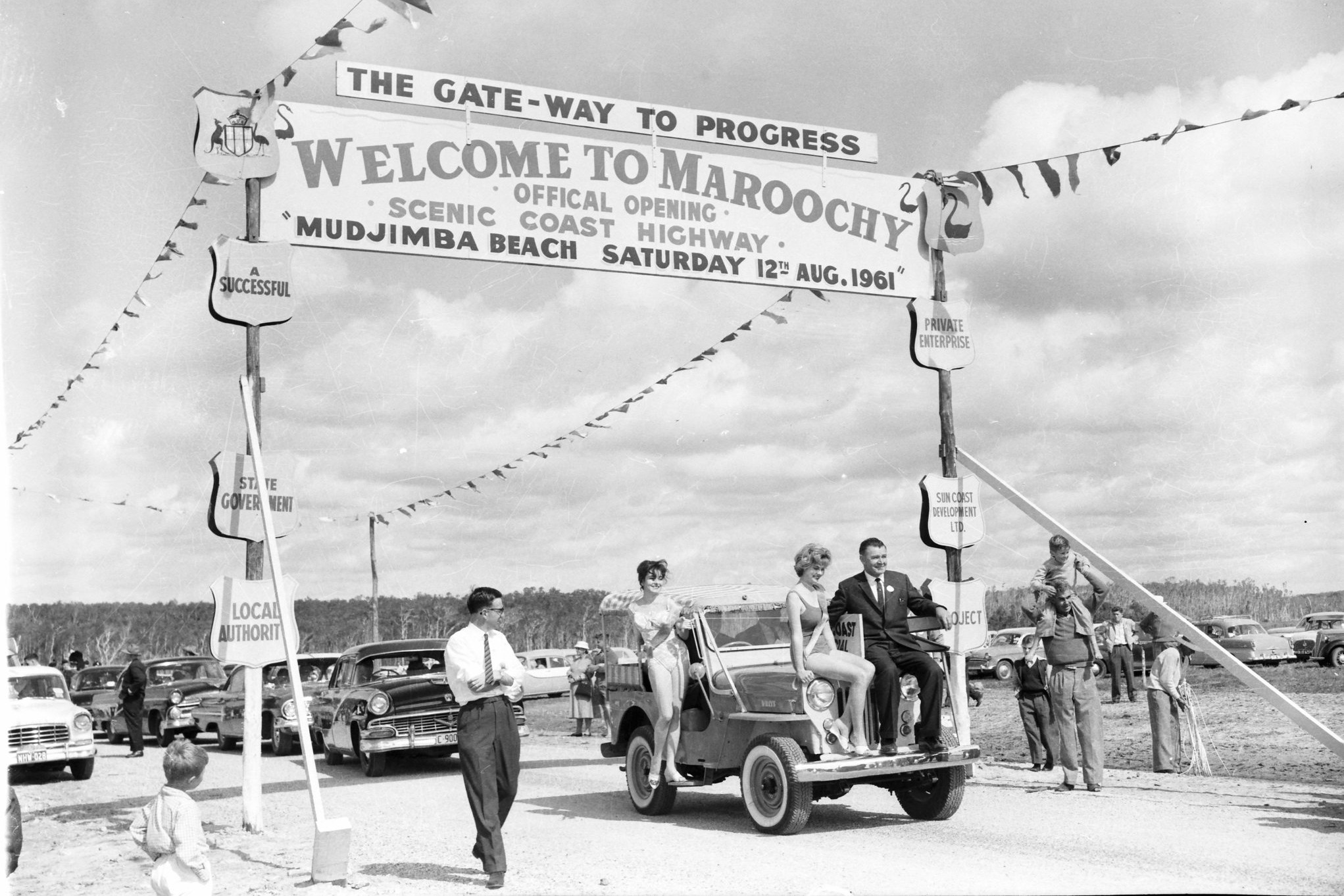
It paved the way for the official opening on August 12, 1961.
Sunshine Coast Airport CEO Chris Mills said the anniversary was a moment to reflect on how far the facility had come.
“For 65 years, this airport has been at the heart of our region’s growth connecting families, supporting local business and driving tourism,” he said.
“From welcoming loved one’s home and supporting local businesses, to connecting visitors with the Sunshine Coast lifestyle, the airport has played an important role in the lives of generations of residents.”
The facility has continued to progress.
“Our vision is to be the natural choice, connecting people and places, growing sustainably, and doing things with care and integrity for our community, customers and stakeholders,” he said.
“As we celebrate this milestone, we’re not only reflecting on our history, but also preparing for the opportunities ahead, including the lead-up to the 2032 Olympic and Paralympic Games.
“The airport’s $170 million domestic terminal redevelopment continues to take shape, with several stages completed and others nearing completion. The project is doubling the terminal’s footprint and providing passengers with an expanded range of retail, dining and service offerings.
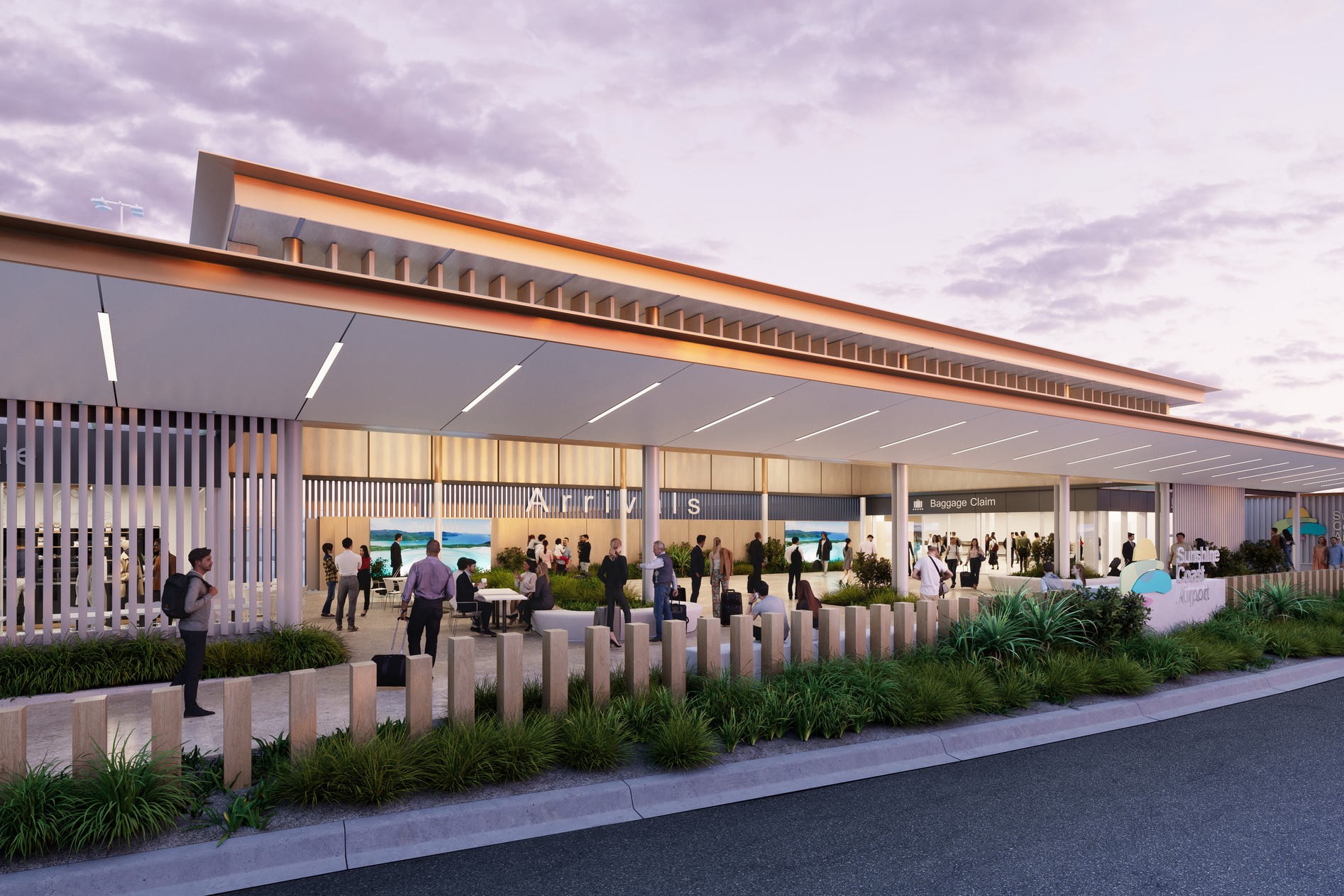
“At the same time, proposals for new hotel, retail, commercial and industrial development opportunities are being assessed in the Gateway Precinct.”
Passenger numbers reached 1.8 million in FY26, an increase of 9.7 per cent on the previous year, and 86 per cent higher than a decade ago.
Want more free local news? Follow Sunshine Coast News on Facebook, LinkedIn and Instagram, and sign up for our FREE daily news email.
Mr Mills said the anniversary was also an opportunity to recognise the many people who had contributed to the airport’s success over the past 65 years.
“This milestone belongs to the generations of employees, aviation partners, contractors, tenants, stakeholders, volunteers and the millions of passengers who have travelled through our airport,” he said.
“Their contribution, commitment and belief in the future of our region have helped shape Sunshine Coast Airport into what it is today.
“While we’re proud of our history, we’re even more excited about the future. With major infrastructure projects underway and new development opportunities emerging, Sunshine Coast Airport is well positioned to continue to support the growth and prosperity of the region for decades to come.”
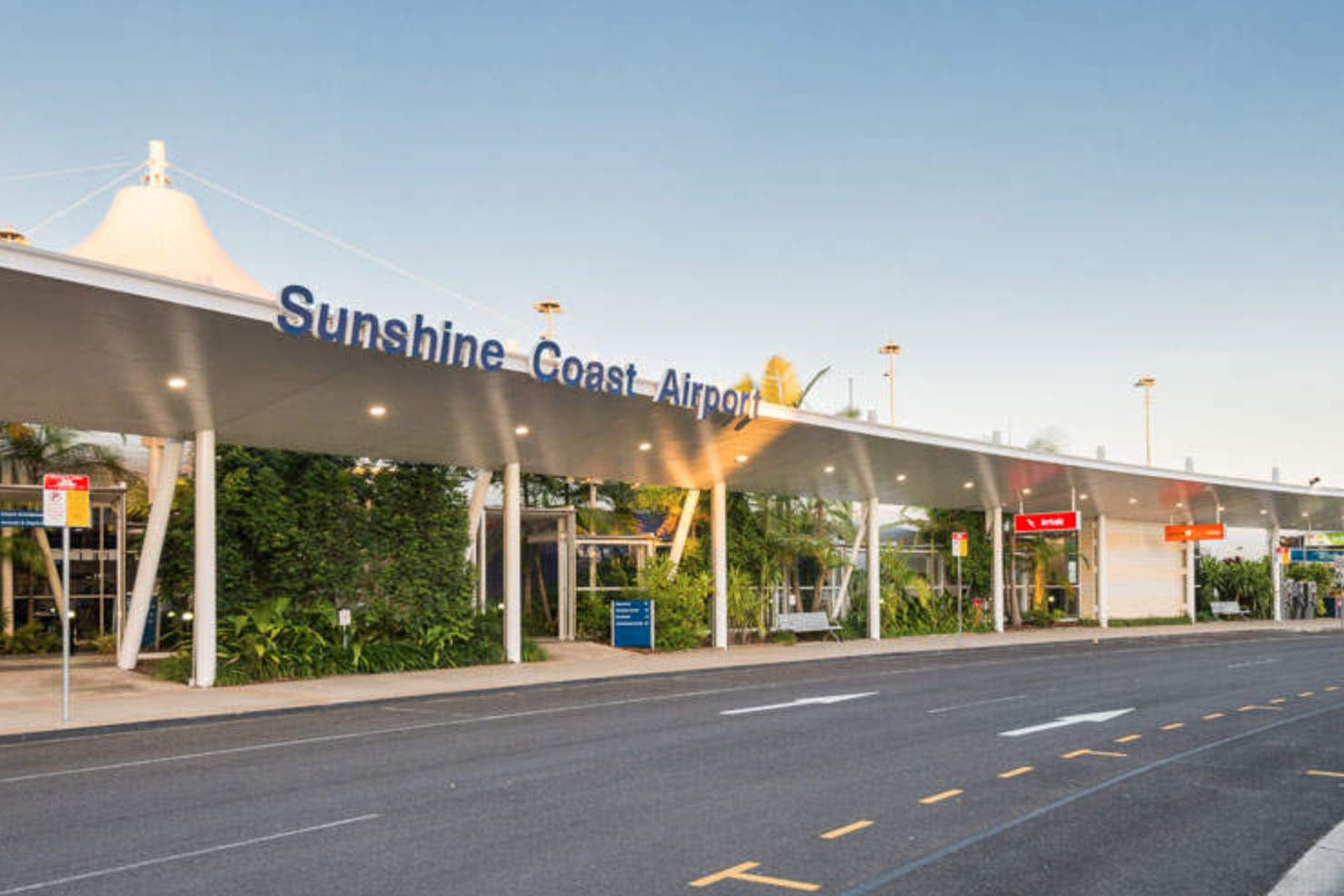
Sunshine Coast Airport history
- 1961: Officially opened as Maroochy Airport, with the sealed Runway 18/36 supporting the region’s early growth.
- 1983: Construction commences on the air traffic control tower.
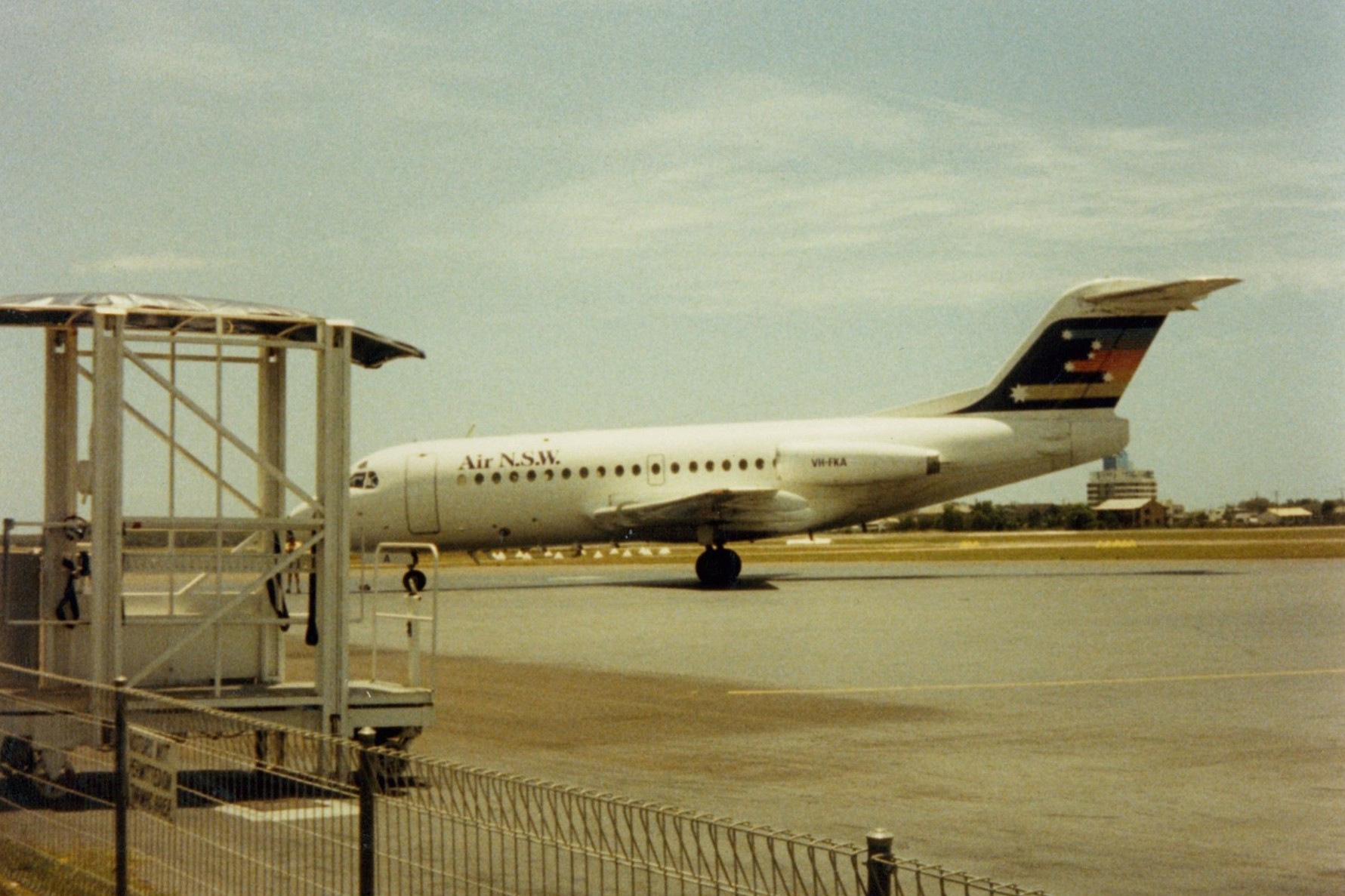
- 1984: The first passenger jet, an Air New South Wales Fokker Fellowship F-28, touched down at Maroochy Airport.
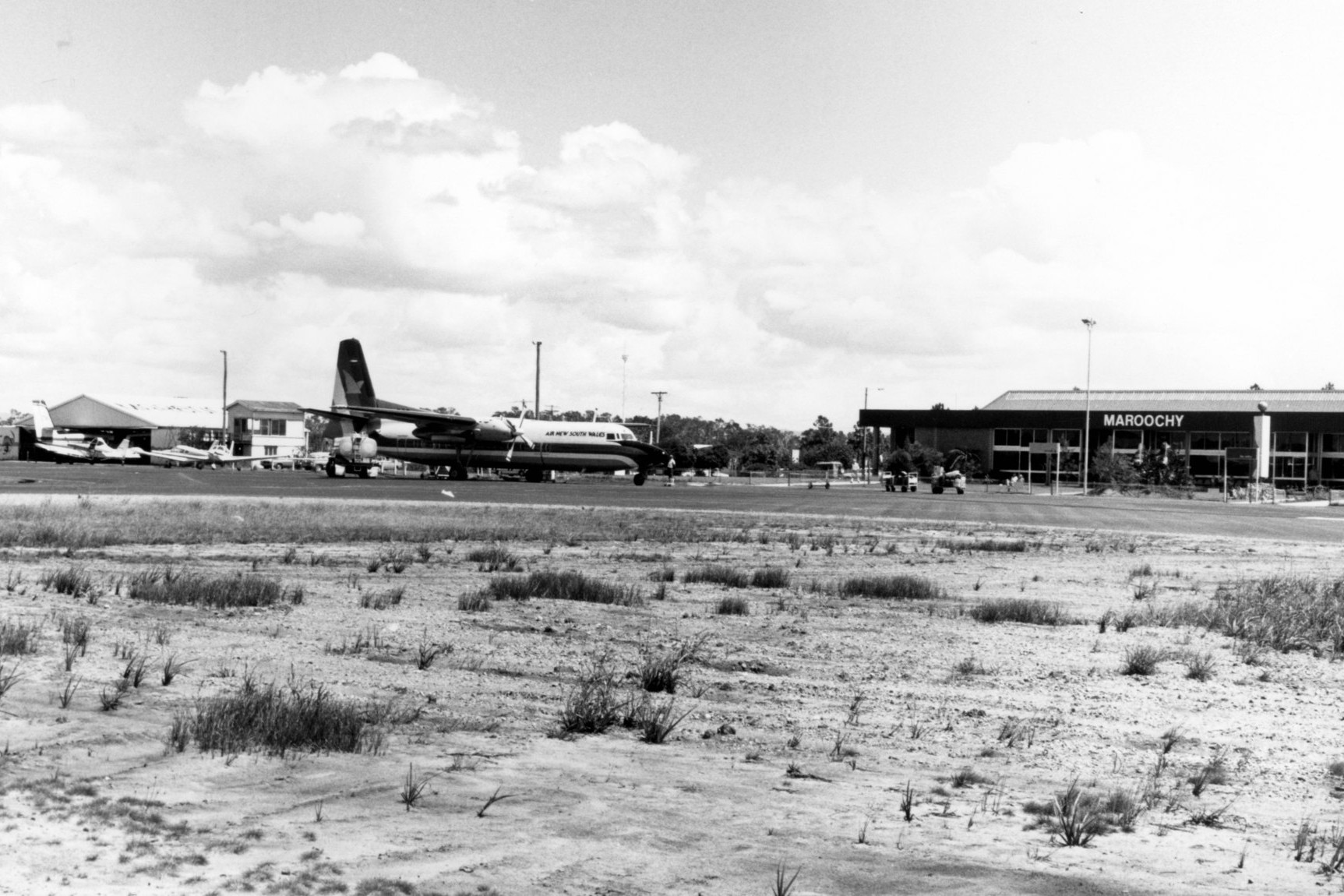
- 1987: The airport began to be marketed as Sunshine Coast Airport, with the name officially adopted in 2009.
- 1997: The current terminal building was constructed at a cost of approximately $11 million.
- 2009: Airport officially renamed Sunshine Coast Airport.
- 2017: Sunshine Coast Airport became the first carbon-neutral airport in Australia and transitioned to private operation under a 99-year lease agreement with Sunshine Coast Council.
- 2020: A new 2,450-metre runway (13/31) was commissioned, allowing larger aircraft to fly direct to more destinations across Australia, Asia and the Pacific.
- 2025: The airport’s Gateway Precinct Master Plan received approval from Economic Development Queensland and commenced its $170 million domestic terminal redevelopment, the largest investment in its history.
- 2026: The airport seeks proposals from developers and investors to progress hotel, retail, commercial and industrial sites within its Gateway Precinct.
This content is part of a paid partnership with Google to promote Google Trends.