
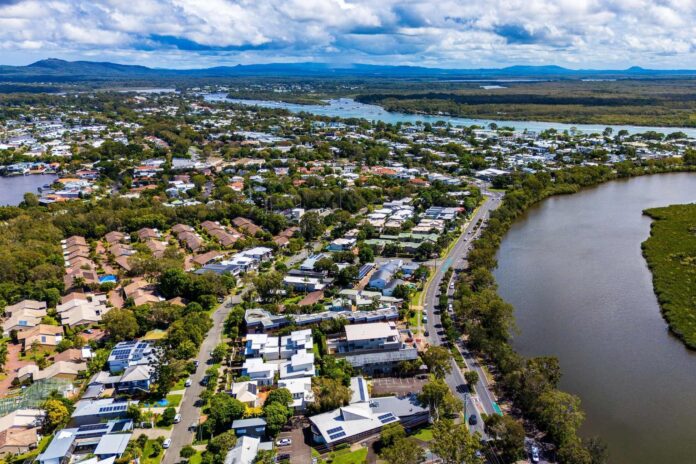
A report to Noosa Council has found the shire’s housing crisis continues to price workers out of the local market despite progress on housing supply and planning reforms.
The Housing Monitoring Report, which will be presented to the council’s general meeting on August 11, says affordability remains a significant challenge, with workers struggling to secure housing close to their jobs, families continuing to leave the shire and entry-level housing becoming increasingly unattainable.
The report states that while Noosa is broadly on track to meet its housing supply targets, the benefits have not translated into improved affordability.
More than 1000 additional dwellings have been approved over the past five years, exceeding the target set under the Noosa Housing Strategy. However, only about 40 per cent of those approvals were for low to medium-rise attached housing, which the report identifies as a key housing type needed to improve affordability and diversity.
The report says the permanent rental market remains limited and expensive, with many of Noosa’s essential workers unable to afford housing in the area.
It states that people employed in a number of the shire’s most common occupations cannot afford entry-level rental units, while most are unable to afford entry-level houses.
Rental prices have continued to rise since 2021, with the median weekly rent for a two-bedroom unit increasing from $500 to $750, a three-bedroom house from $600 to $898 and a four-bedroom house from $740 to $1195.
The report also points to growing demand for housing assistance.
It says more than 10 per cent of Noosa households are experiencing housing stress, while the number of households on the social housing register has increased from 61 in 2021 to 95.
Community housing provider Youturn reported assisting more than 2000 people who were homeless or at risk of homelessness over a 12-month period, with 147 people seeking support in June this year alone.
Despite those challenges, the report outlines several initiatives undertaken by council to improve housing outcomes.
These include: planning reforms to encourage greater housing diversity; incentives for affordable rental housing and secondary dwellings; and the cancellation of more than 360 short stay letting approvals since the introduction of the local law.
The report says those cancellations have the potential to return properties to the permanent housing market.
Do you have an opinion to share? Submit a Letter to the Editor at Sunshine Coast News via news@sunshinecoastnews.com.au. You must include your name and suburb.
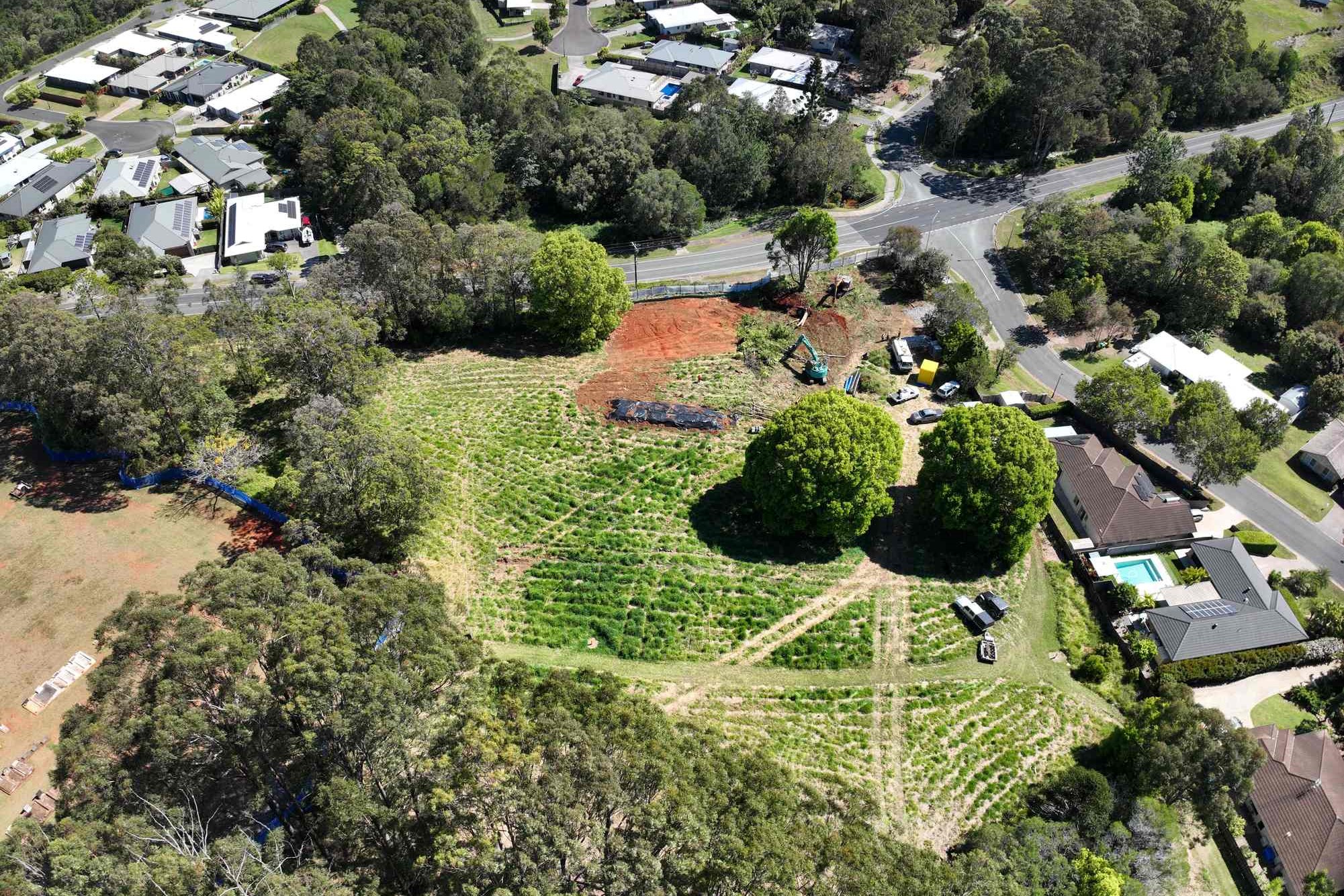
The report also notes progress on increasing social housing supply, including three development-ready lots at Cooroy, one of which has approval for 25 social housing dwellings, and a further 103 public housing units expected to be delivered through state government investment.
Officers conclude that while progress has been made in implementing the Noosa Housing Strategy, addressing housing affordability will require continued action across all levels of government, the development industry and community housing providers.
They recommended councillors note the report and continue to monitor progress against the Noosa Housing Strategy.