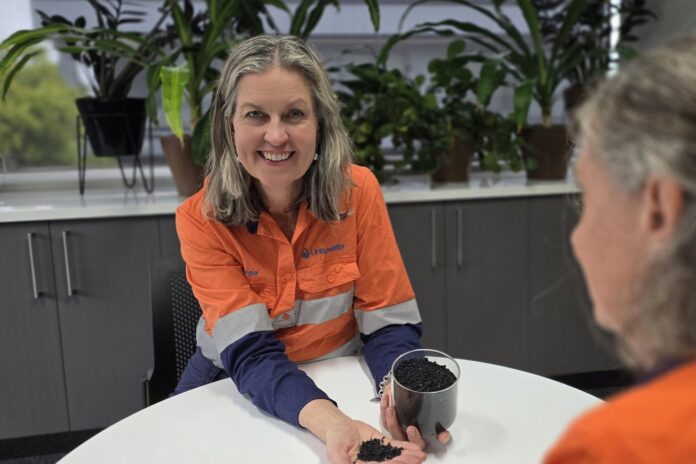
A water utility is progressing plans for a facility on the Sunshine Coast that would turn wastewater by-products into a reusable resource.
Unitywater has lodged a development application for a bioresource recovery facility (BRF) at Yandina.
The facility would use a high-temperature thermal process to convert biosolids, a by-product of wastewater treatment, into biochar, which is an odourless, reusable product with applications across agriculture, soil remediation and consumer products such as garden fertiliser.
Unitywater CEO Anna Jackson said the facility, proposed to be built on a former wastewater treatment plant site at 10 Focus Road, would help the utility respond to the impacts of increasing population growth and biosolids disposal challenges.
“After an extensive two-year feasibility study, the results clearly demonstrate the cost offset benefits for our customers,” she said.
“We have compared current and likely future disposal methods and the increasing associated expense, with operating this new facility, which will create commercial products that offset costs.
“By generating revenue through product sales to offset costs and rethinking how we handle biosolids, the facility supports a circular economy and positions us to strategically manage the impacts of population growth and disposal challenges across our region.”
It would be only the second facility in Queensland that would convert biosolids into biochar. There is also a similar facility operating in Victoria. However, the proposed facility will use innovative carbonisation technology that differs from existing facilities, providing a more advanced approach to resource recovery and sustainable biosolids management.
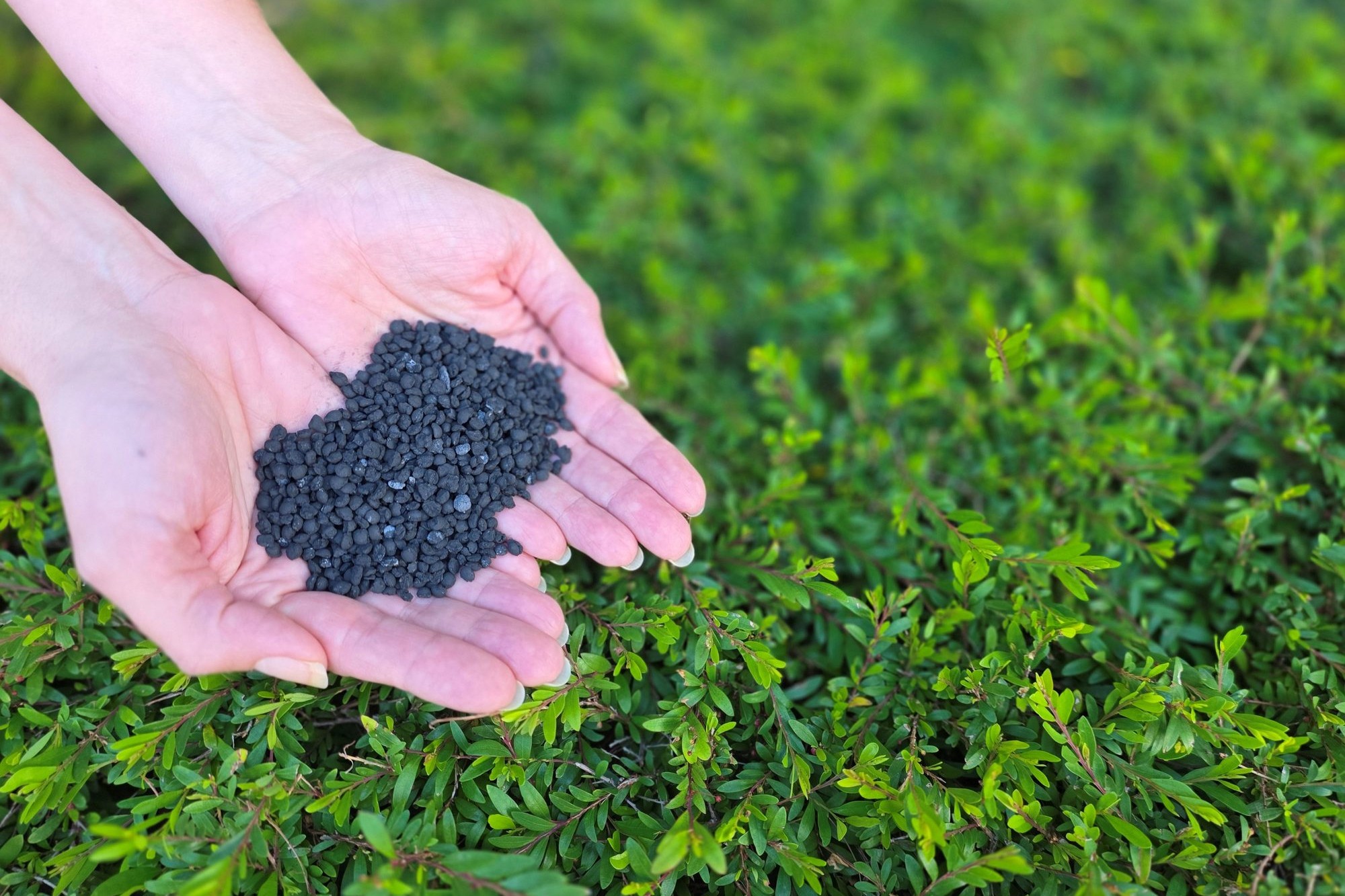
Ms Jackson said the facility would support Unitywater reduce its environmental footprint, taking what had traditionally been considered a waste product and creating a valuable biochar resource through carbonisation technology.
“The biochar we would produce could be used in agriculture as a soil improver and fertiliser, as well as other applications where charcoal is used, such as carbon filters and air purifiers,” she said.
“This innovative facility would also contribute to carbon sequestration, as the carbon contained is highly stable and can remain in the soil for long periods, helping us meet our nitrogen, phosphorus and carbon reduction targets. We will also be creating carbon reduction certificates to offset operational cost.
“Another feature of the process is the destruction of the majority of PFAS and microplastics, which are present in the wastewater when we receive it, and are very difficult and expensive to remove.”
Do you have an opinion to share? Submit a Letter to the Editor at Sunshine Coast News via news@sunshinecoastnews.com.au. You must include your name and suburb.
It is proposed that biosolids from Unitywater wastewater treatment plants would be transported to the centralised site, with the capacity to process up to 70,000 tonnes of biosolids per year.
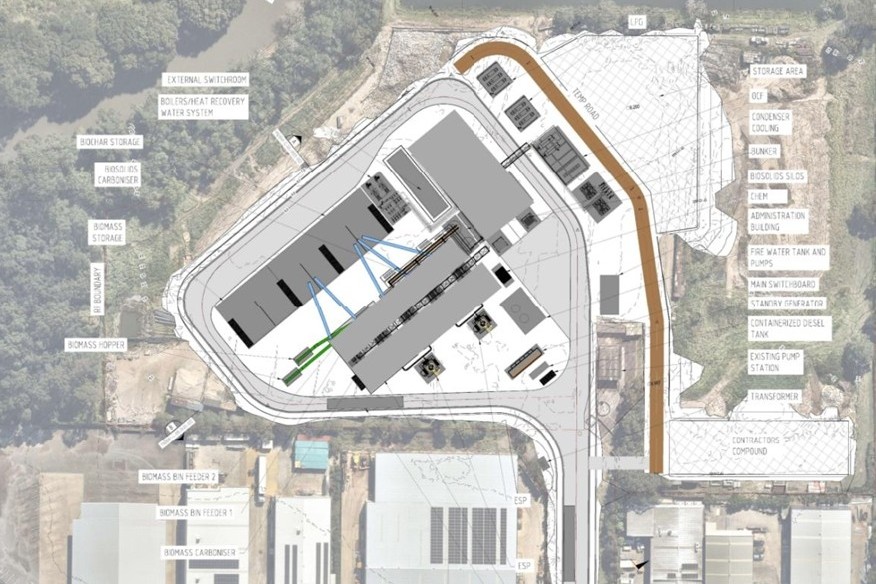
Once constructed, the facility would include biosolids receival and storage infrastructure, drying and carbonisation equipment, material handling and storage for biochar and other supporting infrastructure.
Unitywater is working with regulatory stakeholders to progress approvals, detailed design and construction of the facility.
Unitywater could not share any cost-related information regarding the project as it goes through the approvals process and undertakes commercial negotiations.