
Queensland doctors have criticised proposed new e-mobility laws, claiming the state government has watered down key safety measures designed to protect children.
The criticism comes as parliament debates the reforms this week, with new laws set to take effect from July 1 and additional changes due from August 31.
The Australian Medical Association Queensland said it was disappointed the government had not adopted a recommendation from a parliamentary inquiry to introduce a blanket ban on riders under the age of 16.
Instead, the proposed legislation would allow children aged 12 to 17 to ride e-bikes and e-scooters under parental supervision, while parents could face penalties if children under 16 ride illegally.
AMA Queensland president Associate Professor Erica Gannon said the decision undermined the intent of the inquiry.
“This bill was supposed to save lives,” she said.
“This decision puts us right back where we started, with children being injured and killed.
“We’re struggling to see what the point of the inquiry was, if there is to be almost no change in the legislation.”
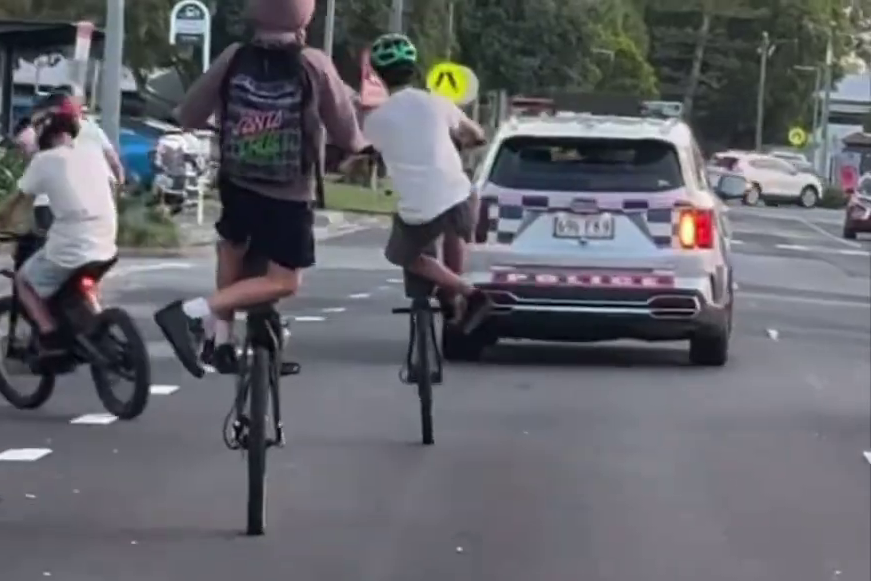
The state government announced the reforms last month following growing concern about illegal and high-powered e-mobility devices and a rise in injuries across Queensland.
More than 6000 e-scooter-related injuries were reported at emergency departments across 36 Queensland hospitals between 2022 and 2025.
Do you have an opinion to share? Submit a Letter to the Editor at Sunshine Coast News via news@sunshinecoastnews.com.au. You must include your name and suburb.
Under the first stage of the reforms, police would gain powers to seize and destroy illegal e-bikes and e-scooters and conduct random breath tests on riders in public places.
The laws would also ban devices capable of exceeding 25km/h without assistance and introduce a 12km/h speed limit in areas shared with pedestrians.
Penalties would increase for offences including speeding, riding without a helmet, carrying passengers illegally, careless riding and using personal mobility devices on prohibited roads.
Riders over the legal blood alcohol limit of 0.05 would face fines of more than $500 and maximum court penalties of up to $6908.
A second tranche of reforms, beginning on August 31, would introduce mandatory licensing requirements for riders, with exemptions for some people with medical conditions or disabilities.
However, the AMA has also criticised the proposed licensing framework, arguing it could place an unnecessary burden on doctors.
“Doctors did not seek licensing rules around e-mobility use, but the government now looks set to put that on our shoulders,” Associate Professor Gannon said.
“It should not be up to doctors, in particular GPs, to decide who is or isn’t allowed to ride these devices.”
She said emergency department staff regularly treated serious injuries linked to e-bike and e-scooter crashes, including broken bones, facial injuries and head trauma.
“Tragically some accidents are fatal, which is devastating for the families and communities of the victims, and for hospital staff involved,” she said.
The AMA also questioned whether making parents responsible for supervising teenage riders would be effective.
“Our concern is teenagers will take risks, as teenagers always have done, and those risks could have terrible consequences,” Associate Professor Gannon said.
Transport and Main Roads Minister Brent Mickelberg defended the reforms.
“Our reforms are based on extensive community and expert consultation and they strike the right balance between making our streets safer from those who do the wrong thing, while backing those people who do the right thing,” he said.