
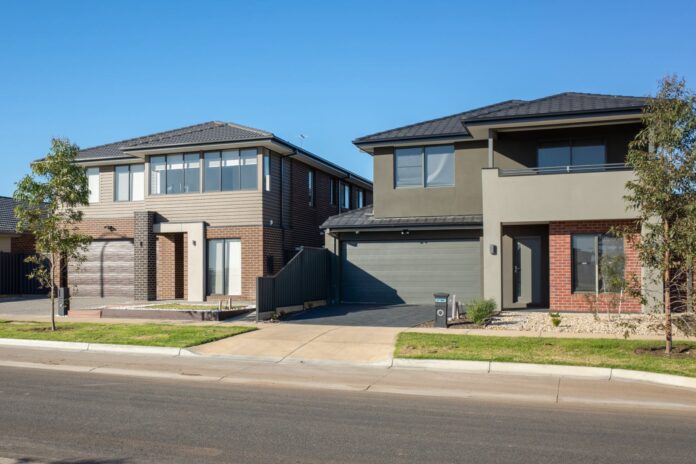
House and unit prices have climbed sharply amid chronic supply constraints, according to the state’s peak real estate body.
The Real Estate Institute of Queensland’s (REIQ) latest median sales data for the December 2025 quarter showed the statewide median house price rose 6.1 per cent over the quarter and 13.7 per cent over the year, to $880,000. For the unit market, the growth rate was even higher, at 7 per cent for the quarter and 16.13 per cent for the year, to $720,000.
The Sunshine Coast’s median house price rose 5.9 per cent over the quarter and 11.4 per cent over the year, to $1.17 million. For the local unit market, the rate was 5.9 per cent and 11.1 per cent, to $800,000.
The REIQ stated that chronic construction constraints for new housing, coupled with a listings drought for established homes, saw median house sale prices rise in virtually all of Queensland’s major regions across the final quarter of 2025 and year-on-year.
REIQ CEO Antonia Mercorella said that as property prices continued to march upward, the state’s significant housing supply shortfall was concerning.
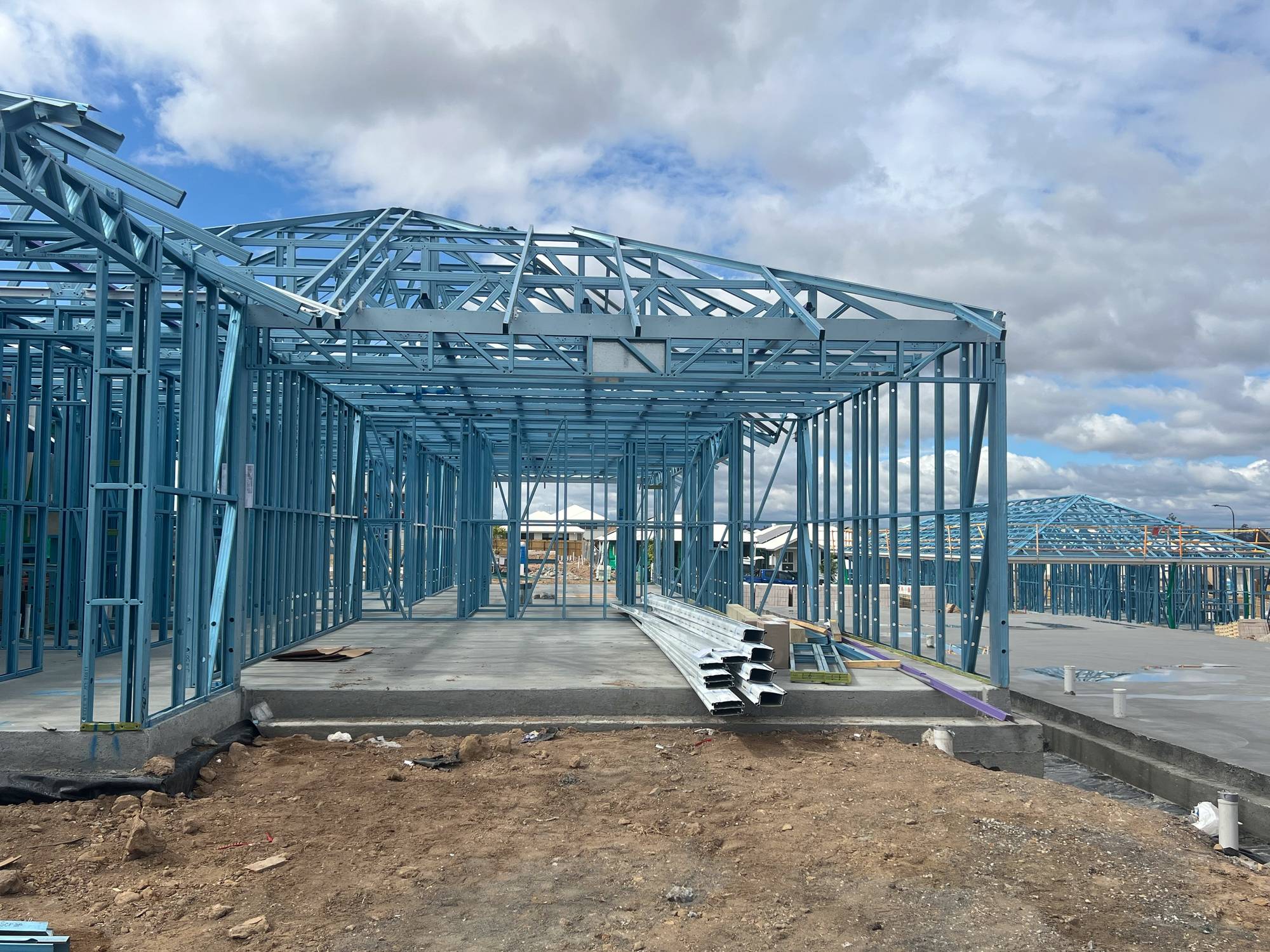
“We’re still not building at the scale and speed we need to relieve the supply squeeze, and with every quarterly target not met, we’re falling further behind,” she said.
“Under the National Housing Accord set from mid-2024, Queensland needs to build just over 49,000 new dwellings each year over five years. However, over each of the last four quarters (data to September 2025), only about 34,000 new dwellings were completed.
“Further, the pipeline is far from full. In January this year, there were only 3600 building approvals, compared with approximately 4100 required each month. Approvals are currently running at 42,700 per annum – which is approximately 13 per cent below the target.
“The properties we do have in the pipeline are heavily skewed towards high-end product, such as luxury apartments, due to high construction costs influencing feasibility.
Help keep independent and fair Sunshine Coast news coming by subscribing to our FREE daily news feed. All it requires is your email at the bottom of this article.
“The established housing market is still drip-feeding properties for sale but remains restricted as property owners hold on tight to their homes.
“Total listings during December 2025, show the Brisbane market had a 25 per cent fall in listings relative to the equivalent period last year, while regional Queensland fell 15 per cent. This was not just a seasonal phenomenon, with recent February data suggesting similar shortfalls.
“These persistent supply pressures are what’s underpinning property price growth, along with ongoing demand-side factors such as high interstate migration, expected strong population growth, and rental market strain seeing tenants transition to home ownership.
“First home buyers were also buoyed by the federal government’s 5 per cent deposit Sccheme this quarter which came into effect on October 1, lowering the deposit barrier to entry with property price thresholds of $1 million in Brisbane, Gold Coast and the Sunshine Coast, and $700,000 in other Queensland areas.
“Competition for housing is intensified around the lower quartiles of the market where affordability is greatest and it’s perceived potential gains are highest, and this demand tapers off as you move up the price spectrum, reflecting an increasingly divided two-speed market.”
Ms Mercorella said the flow-on impact of rising interest rates and recent global conflict could act as fuel on the fire of the construction crisis.
“While we’re all feeling the impact of global conflict at the petrol pump, the flow on inflationary impact to manufacturing and construction, through higher transport and logistics costs, couldn’t come at a worse time,” she said.
“Counting the cranes on the horizon has traditionally been a promising sign of what’s in the immediate pipeline, but with high-cost risks and exposure for builders and developers comes uncertainty.
“We’re already up against low productivity, rising material costs, and dire labour shortages in the context of Olympics-related infrastructure projects, so unfortunately this does not bode well for new housing supply.”