
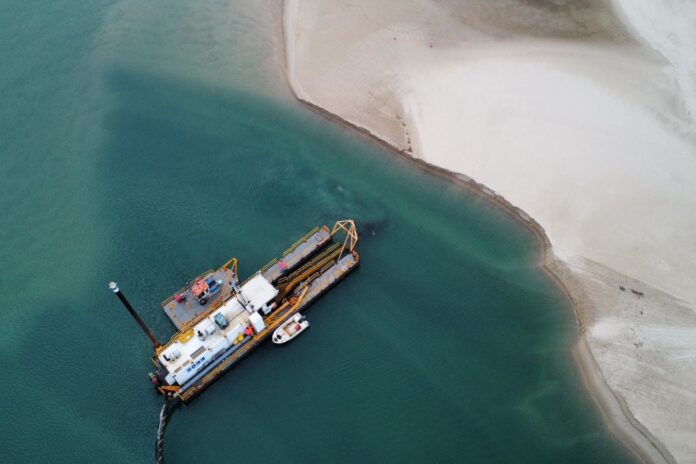
Sunshine Coast Council has applied to expand dredging and nourishment operations for two of South-East Queensland’s most popular beaches.
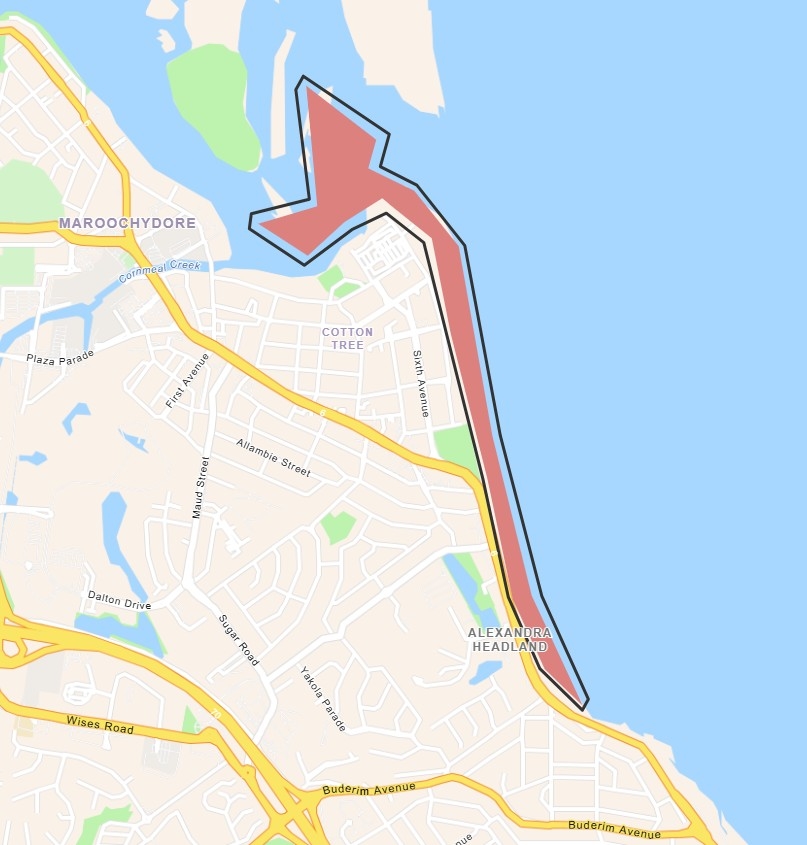
Local officials have asked the state government for an extension of its permit for the Maroochydore Beach Nourishment Program, which includes dredging and moving sand from the Maroochy River, via pipeline, to erosion-prone beaches at Maroochydore and Alexandra Headland.
The expansion would essentially allow council to dredge more often and over a broader area, to prop up the long stretches of sand.
A council spokesperson provided further details.
“At present, the allowable dredging windows are February to March and May to September. Council is seeking to expand this to include October to ensure the required 100,000m3 sand quota is achieved,” they said.
“We’ve also asked for a minor change to the allowable dredge area, so we can access the best quality and colour of sand to place on the beach at Maroochydore.
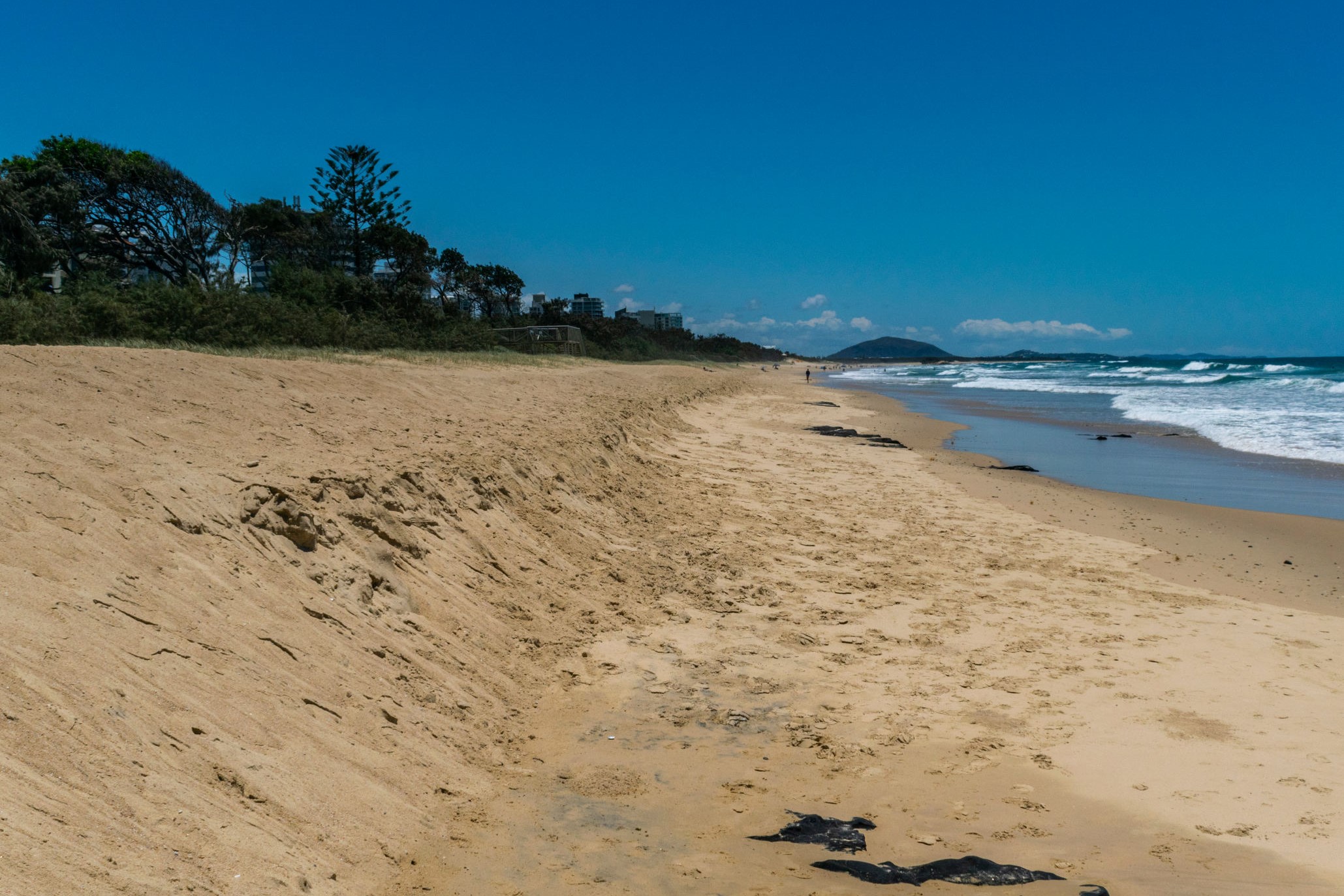
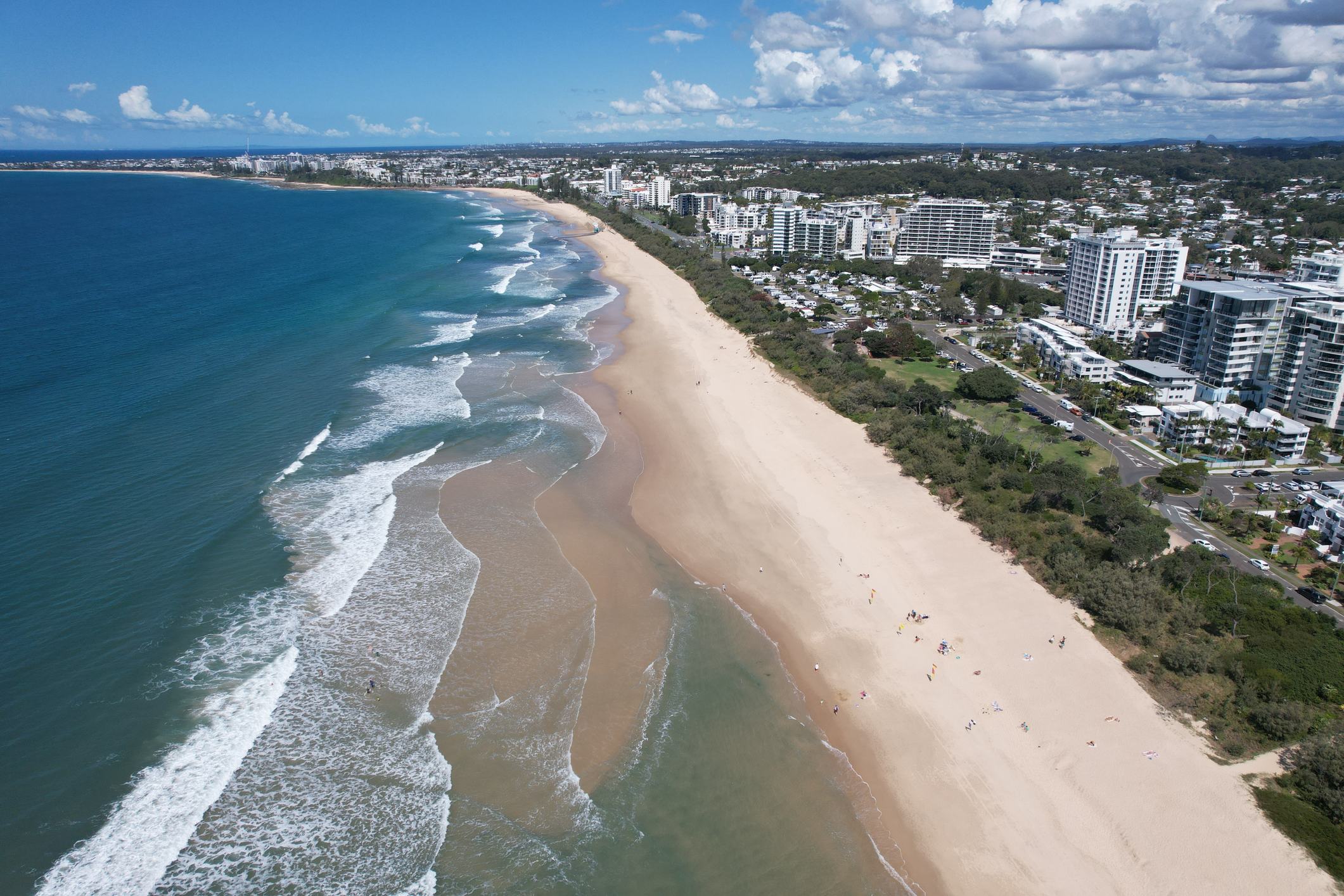
“Increasing the amount and quality of sand widens the beach and keeps the erosion buffer between the waves and the dunes, roads, paths and buildings, making our beaches more resilient to the impacts of storms.
“It also means there is more sand on the beach for our community to enjoy and supports events and activities held along this stretch of coast.”
The council is also seeking approval for “special event” campaigns so beach nourishment can occur after major storm events, such as TC Alfred. If approved, this would allow nourishment between normal dredging years.
“Being able to replenish sand after storms would create a greater buffer for infrastructure along Aerodrome Road and the Esplanade, and provide more beach area for dune building,” the spokesperson said.
The federal government is determining whether the proposal will need approval under national environmental law.
“As changes could affect shorebirds and marine turtles, an EPBC (Environment Protection and Biodiversity Conservation) referral helps confirm that council’s mitigation measures are strong enough to prevent significant impacts,” the spokesperson said.
“These measures will be included in the final decision notice and will complement existing permit conditions for dredging in February and March.”
Scroll down to SUBSCRIBE for our FREE news feed, direct to your inbox daily.
A spokesperson for the Department of Climate Change, Energy, the Environment and Water said the proposal was referred to the department in March.
“We are currently determining whether the proposal is likely to have a significant impact on matters of national environmental significance, thus requiring approval under national environmental law,” they said.
The referral outlines mitigation measures including a buffer between the dredging works and the sand banks where shorebirds have been observed; avoiding shorebird and turtle nests; relocating shorebird and turtle nests if necessary; and restrictions of pedestrian access (including dogs) from areas that shorebirds may seek respite.
The referral also states that a seawall is not a preferred solution, dredging operations should not be problematic and the proposed works are required.
“Installation of a seawall, for protection of the foreshore, would present a significant impact in this space and still require nourishment in front of it. For this reason, a seawall is not considered to be an acceptable alternative,” the referral stated.
“Sand in the nearby Maroochy River mouth displays the same characteristics as that of the beach and is quickly replenished when removed from this space.
“Should dredging and nourishment not occur, and not occur at a frequency so as to address the recessive nature of the beach (then) the dunes, vegetation and foreshore assets would quickly become at risk, an unacceptable outcome for Council and the community.”
Council’s dredging program costs about $700,000 each year and is funded through the council’s operational budget.
The council spokesperson said there are no changes to the approved sand volumes, and the requested amendments will not affect current budgets or beach operations.