
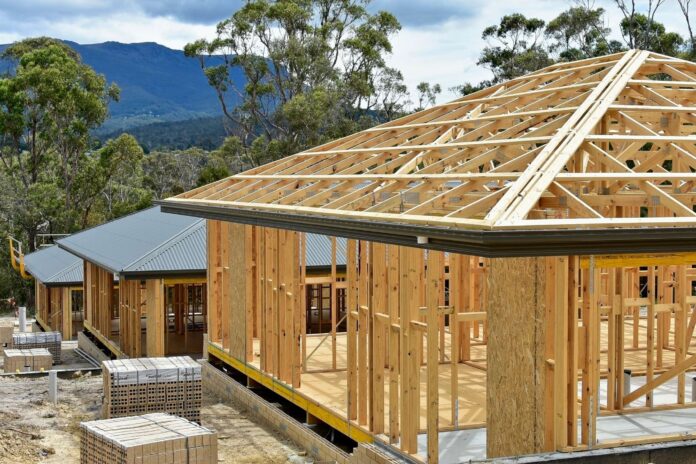
Home approvals in Australia have surged to a three-and-a-half year high but construction challenges will continue to constrain progress on housing affordability.
The number of dwellings approved for construction jumped 15.2 per cent to 18,406 in November, driven by a 34.1 per cent rise in apartments and townhouses.
It’s the highest monthly total since February 2022 and comes after a 6.1 per cent fall in October.
The positive result beat economist expectations for a two per cent rise, but given the volatile nature of the figures, was unlikely to be replicated next month, AMP economists Diana Mousina and My Bui said.
Dwelling approvals fluctuate month to month, but the trend has risen steadily since bottoming out about 13,000 in early 2024.
Help keep independent and fair Sunshine Coast news coming by subscribing to our FREE daily news feed. All it requires is your email at the bottom of this article.
Approvals are trending at about 16,500 per month, which would put the nation on track to build about 200,000 homes per year.
That’s still well below the 240,000 per year run rate set by the national housing accord target of 1.2 million new homes over five years.
Approvals are only one piece of the puzzle.
Builders still need to get homes onto the ground and rising construction costs, ongoing skills shortages and infrastructure bottlenecks are limiting the feasibility of many projects.
“Recent upticks in building costs as evident by today’s inflation data could be worrying for construction business sentiment, which will hurt approvals count,” Ms Mousina and Ms Bui said.
The Property Council’s Matthew Kandelaars said too many projects were stuck waiting for the next set of sign-offs following approval.
“If governments want more homes on the ground sooner, this is where the focus needs to shift,” he said.
“Streamline the post-permit pathway, set timeframes, coordinate utilities and keep pushing reforms that lift feasibility and delivery.”
The industry’s inability to get supply into the market has kept available properties scarce and drove up rental prices in 2025.
Rents rose 5.2 per cent over the year, pushing the national median to $681 a week, property data firm Cotality revealed in its latest Quarterly Rental Review this week.
The rental index has surged by 42.9 per cent over the past five years, amounting to an extra $204 per week to the median rental value.
The five years prior, rents increased by just 7.5 per cent or $33 per week.
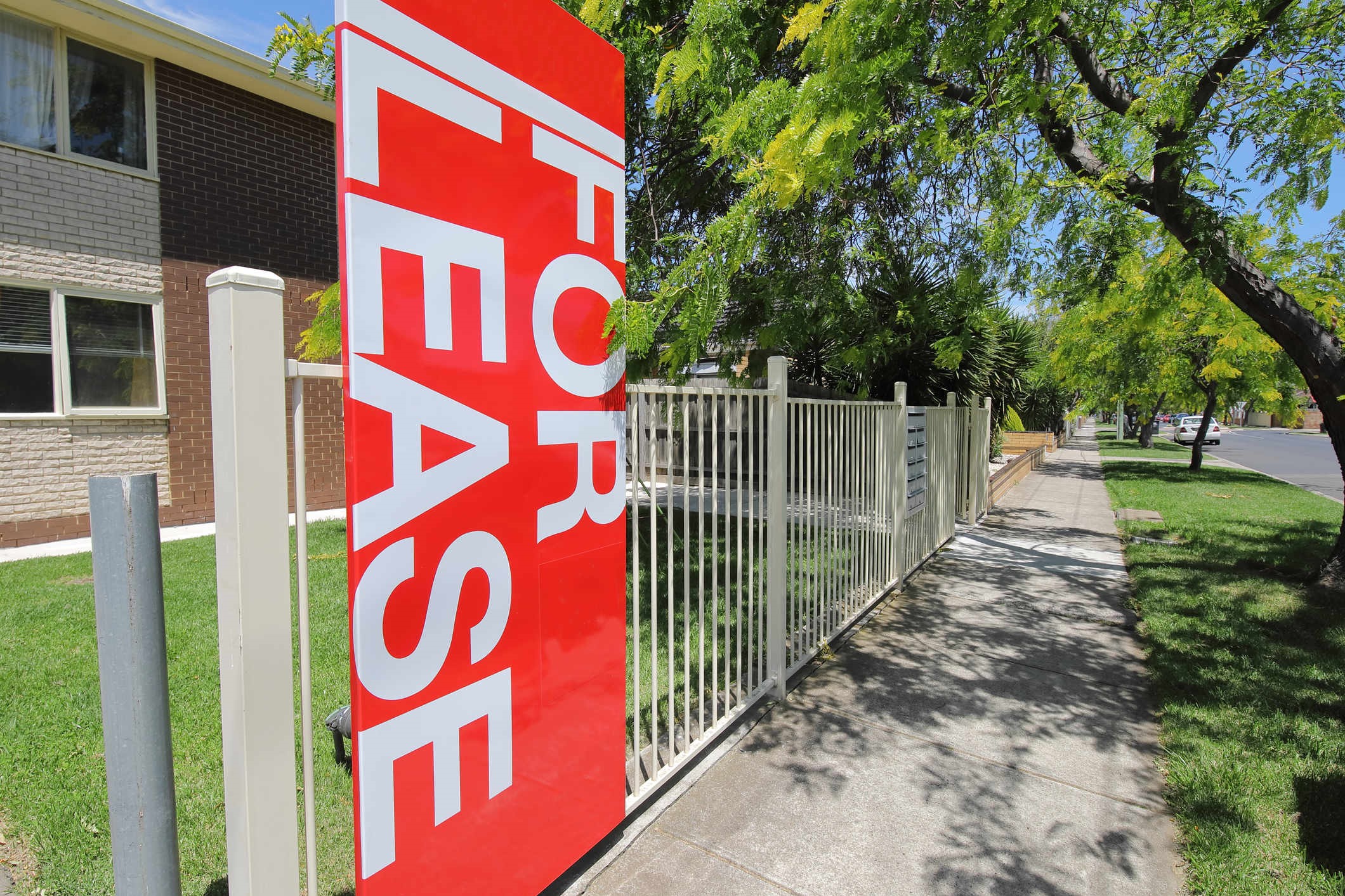
After rising by 0.9 per cent in the three months to September, rents climbed 1.3 per cent over the December quarter.
The re-acceleration was bad news for renters, inflation and the outlook for interest rates, Cotality research director Tim Lawless said.
“There isn’t really too much sign of any real alleviation in the scarcity of rental stock, which of course means there’s this ongoing upwards pressure on rents,” he said.
Vacancy rates fell to 1.7 per cent nationally in December, down from 2.1 per cent a year prior and well below the pre-COVID decade average of 3.3 per cent.
Adelaide remained the tightest rental market in the country, with a vacancy rate of just 1.1 per cent.
The sharpest annual jump in rents was in Darwin, up 8.2 per cent, albeit from a lower base.
Melbourne experienced the softest growth, up 2.9 per cent, while Sydney, the country’s most expensive market, rose 5.3 per cent to a median $817 a week.
Vaucluse, in the city’s eastern suburbs, was the costliest suburb in the country to rent, with a house in the seaside enclave setting tenants back a cool $2310 a week.