
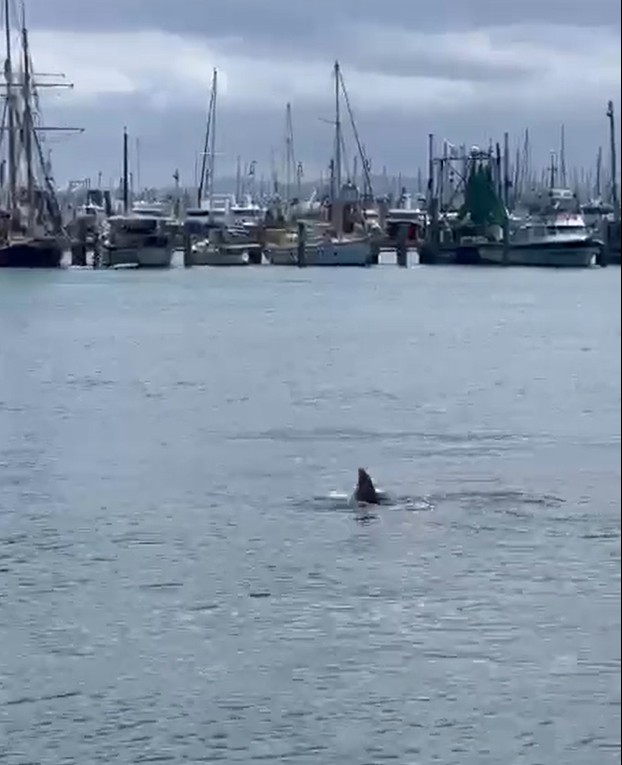
A shark has been spotted close to shore at a popular swimming spot on the Sunshine Coast.
The 2.5-metre shark of an unidentified species was filmed in the Mooloolah River near La Balsa Park at Buddina at about 2pm on Sunday, December 29.
Kristel Tevet captured footage of the shark and shared it to community Facebook groups to warn swimmers.
“Big shark at La Balsa. Just now — 2pm next to the playground and toilet,” she wrote.
The sighting was later shared online by Dorsal Shark Reports, a platform designed to alert communities to shark activity.
Dorsal was created following a string of fatal shark attacks in Australia in 2015, after it was revealed members of the public had seen sharks of a similar size and species in the same areas just hours earlier, with no way to warn others.
The platform now allows everyday citizens to share shark sightings and helps beachgoers stay informed about activity in their local area.
Marine researcher Dr Bonnie Holmes is currently leading a long-term program mapping the movement, ecology and genetics of the Sunshine Coast’s bull shark population, with the aim of improving management efforts and promoting safer interactions with humans.
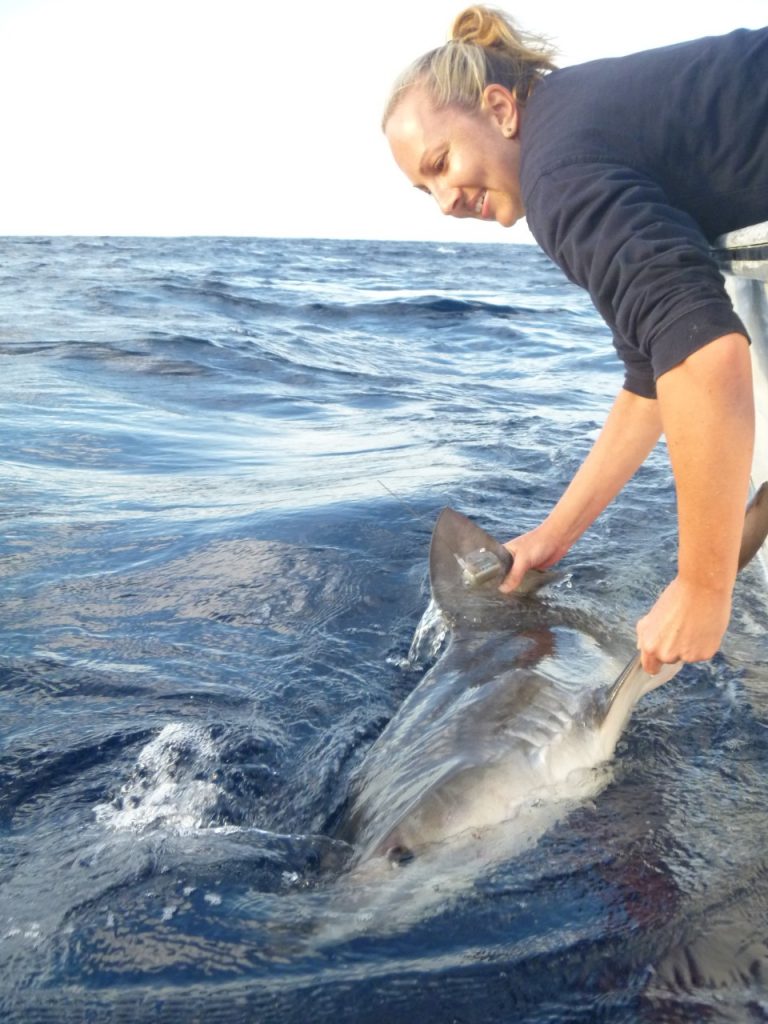
After two years of tagging and tracking sharks from Noosa to Moreton Bay, Dr Holmes said clear behavioural patterns were emerging.
“The data shows bull sharks on the Sunshine Coast are most active in the summer months — especially when the water is murky after rain. They are least active during the day, near the river mouths, when conditions were clear,” Dr Holmes told Tom Fowles of UniSC in October.
The research found that even as bull sharks ventured into coastal waters during their teenage years and into adulthood, they remained closely connected to the river systems in which they were born.
Dr Holmes said the findings provided valuable insight into the role bull sharks play in connecting local river systems and coastal environments.
It is hoped the data will help fill gaps in knowledge about the species and inform safer shared use of waterways.
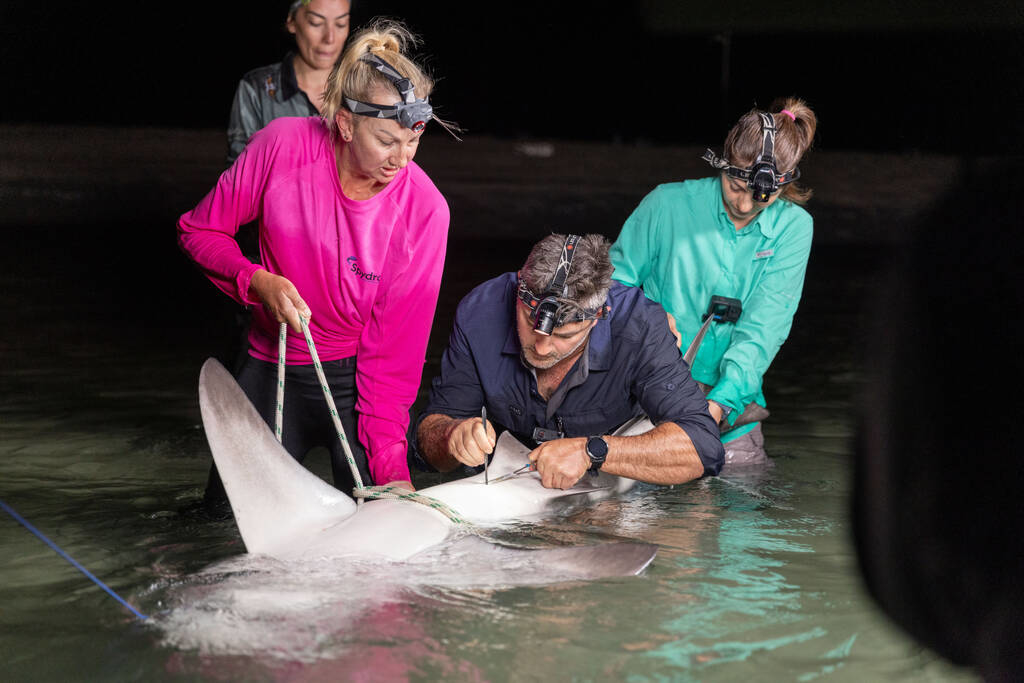
“Shark activity in south east Queensland starts picking up around this time of year, and we urge everyone to visit the DPI SharkSmart pages for information and practical steps on how to reduce your risk of interaction,” Dr Holmes said.
“Thankfully, for the most part, we already successfully share these waterways with a healthy population of local bull sharks. A large number of juveniles and sub-adults live in the lower reaches of the river estuaries from Noosa down to Golden Beach — but there’s been no reported interactions in recent history despite lots of human use.
“We always urge practicing caution in these areas. But they’re a good sign of a healthy ecosystem.”
Meanwhile, SmartShark drones have been introduced at two prominent Sunshine Coast beaches as part of a renewed effort to protect swimmers.
The new service at Kings and Happy Valley beaches began on December 19 and forms part of the Queensland Government’s broader investment in swimmer safety, including new drumlines, nets and drone surveillance.
Drones will also be permanently based at Alexandra Headland, Coolum North and Noosa Heads beaches following successful trials at those locations.