

Multiple factors are contributing to elevated airfares this holiday season, according to a University of the Sunshine Coast tourism academic.
Low competition, a shortage of aerospace engineers and increasing weather-related flight disruption are all leading to increased costs, senior lecturer Aaron Tham said.
“Aerospace engineers are a rare breed these days and airlines globally are clamouring to employ those who are qualified,” he said.
“The recent strikes at Qantas are not a standalone case, it’s happening around the world.
“It takes a long time to get new people up to speed, so the fastest way to recruit is to take someone who is already trained from a competing airline.
“This makes it easier for bigger airlines with bigger benefits to hire. For example, Malaysia Airlines recently lost 63 engineers, including 12 to Singapore Airlines.”
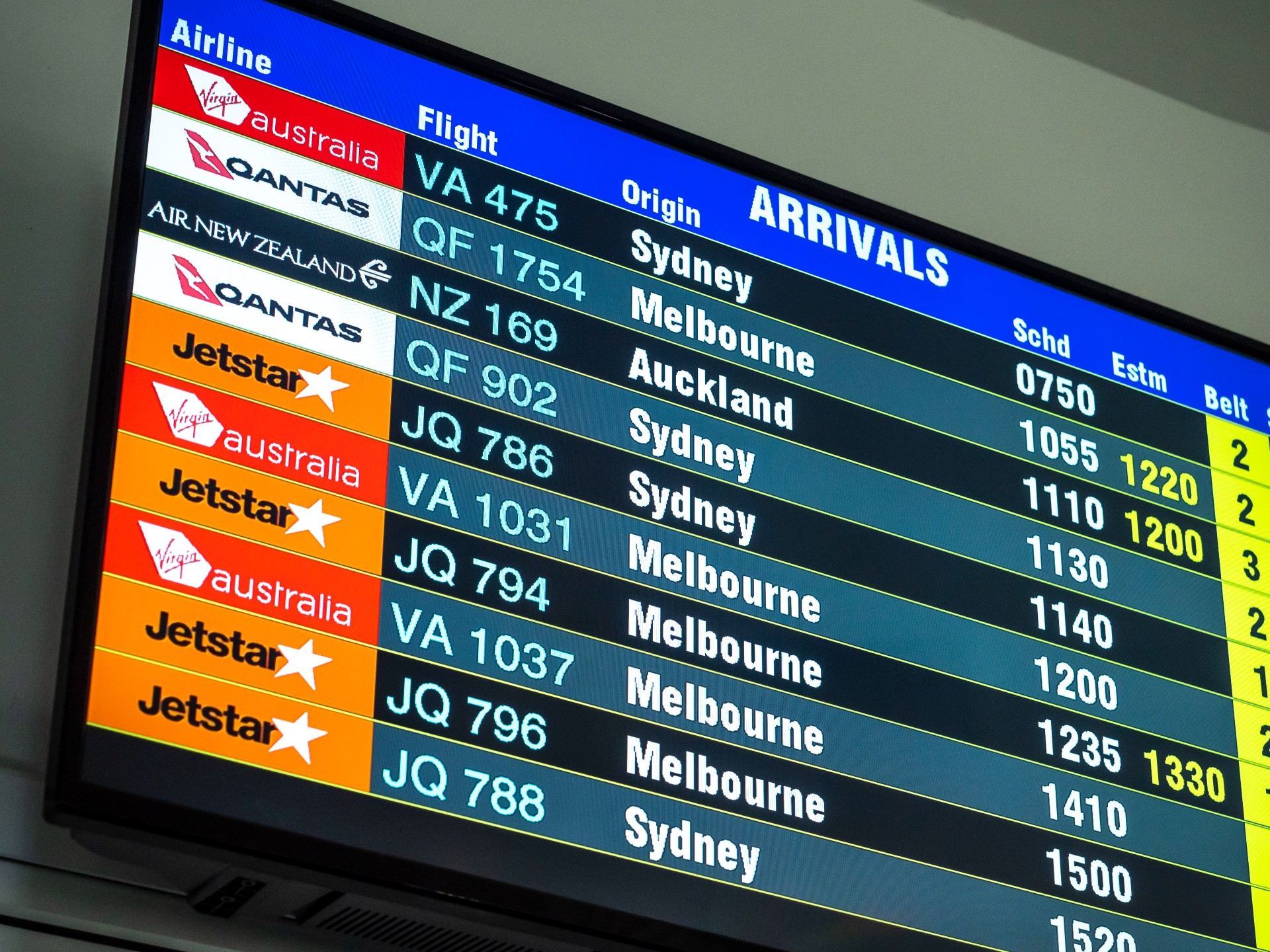
He said less competition was also playing a role.
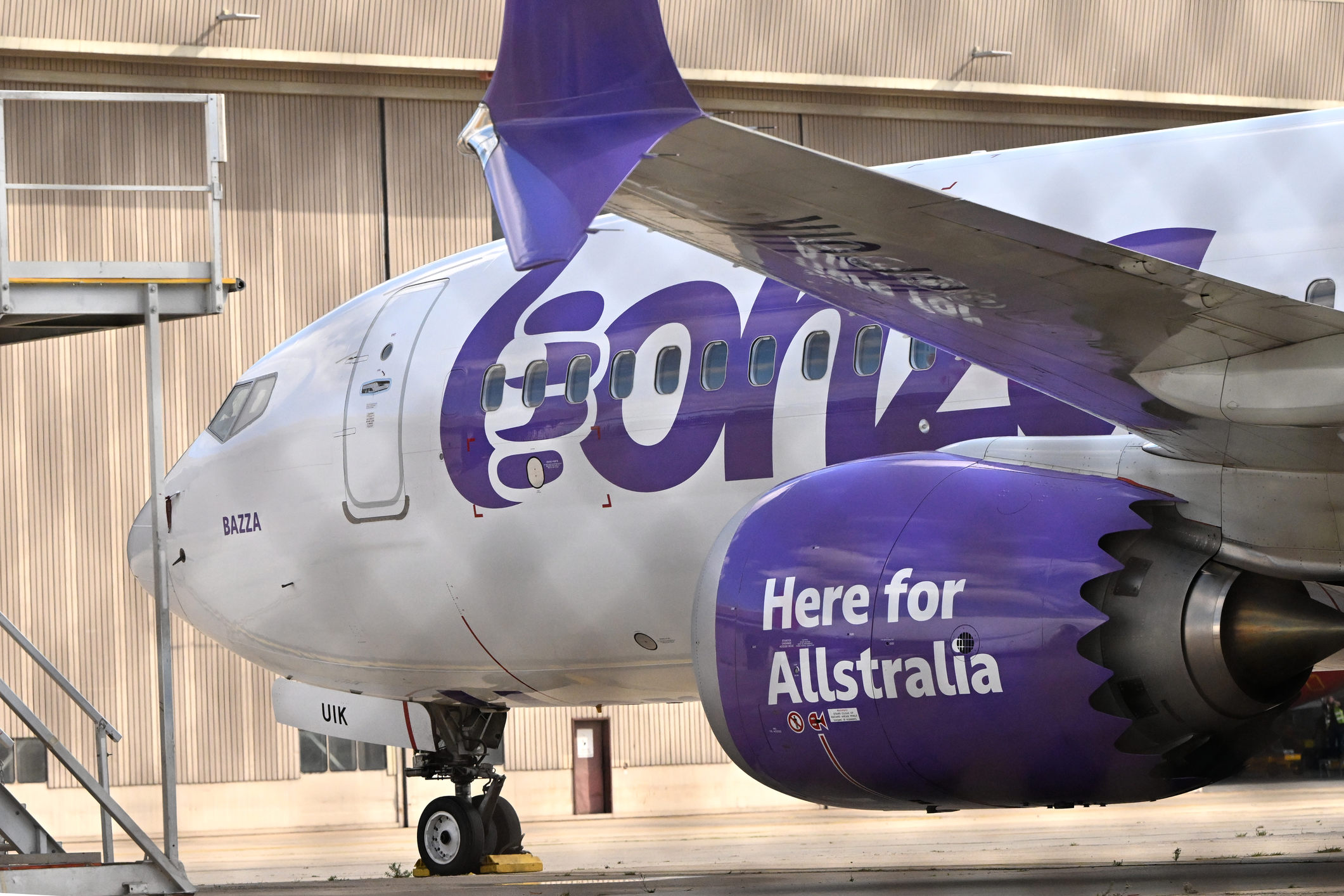
“Obviously the closure of Australia’s two smaller airlines Bonza and Rex has had an impact on the overall competition in Australia, but it’s also interesting to see the announcement of the new Koala Airlines who say they’re aware of the industry challenges and are working to avoid the pitfalls that have affected others,” he said.
“Considering the white paper released by the Federal Government’s new watchdog, I don’t think Australia will be any position to lower prices until we have more competition coming in.”
Want more free local news? Follow Sunshine Coast News on Facebook, LinkedIn and Instagram.
Dr Tham said the industry was still recovering from the impacts of the pandemic.
“In terms of international airline engagement, Australia is still only at about two thirds of where we were at pre-COVID,” he said.
“International airline access is not back to nearly where it once was.
“Australia has a unique dynamic in that we’re a very large country with a small travelling population, and so demand must be weighed with airport plane capacities and other cost pressures.”
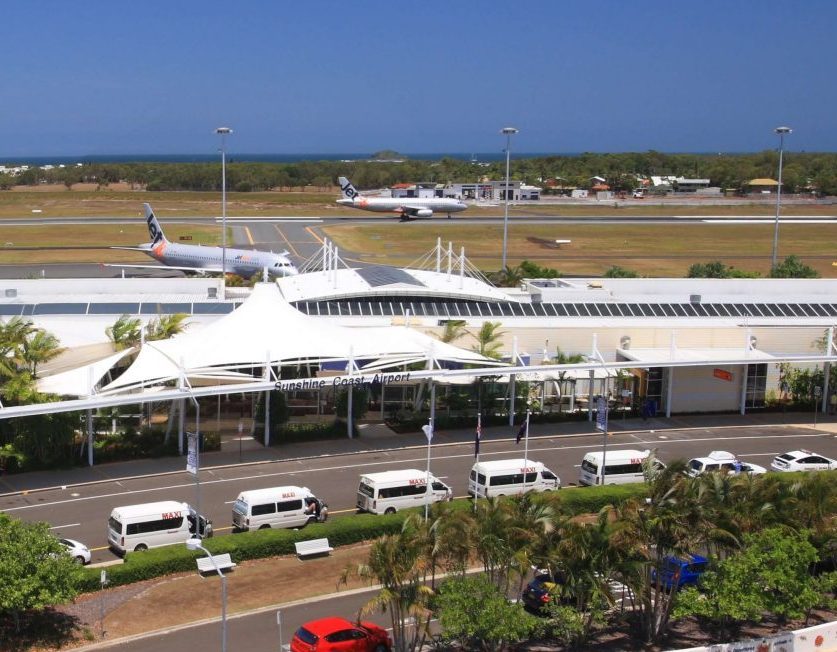
He also said climate change was also a factor.
“There’s a new level of uncertainty around disrupted flights that is adding to the cost,” he said.
“People are aware of their consumer rights and wanting to ensure flexibility if their flight is disrupted.
“And while we might immediately think of storms, we don’t always consider the domino effects of other factors such as smoke cover from bushfires, electrical blackouts affecting airports.
“We are also coming to a point where the cost of operations keeps rising including petrol and air conditioning – it’s costing billions more to keep the airports running and that’s something people don’t always think about.”
Dr Tham said climate change had led to changing behaviour.
“When I was in Dubai in August, it was 50 degrees, one of the hottest days,” he said.
“Outdoor workers were finishing at 10.30am because it was too hot.
“They had to extend the cooling into areas that don’t normally require it, including car parks.
“This is affecting tourists too.
“We can see that in the Middle East, China and India the temperatures could rise by 5 to 10 degrees, and the implications are that it’s quite unpleasant for people to move about.
“There are less tourists in the hotter months, and the tourists that are there are escaping to the comfort of their air conditioning.
“Given this level of uncertainty and disruption to their usual holidays, we’re seeing a global increase in people choosing to go camping or motor homing instead.”