
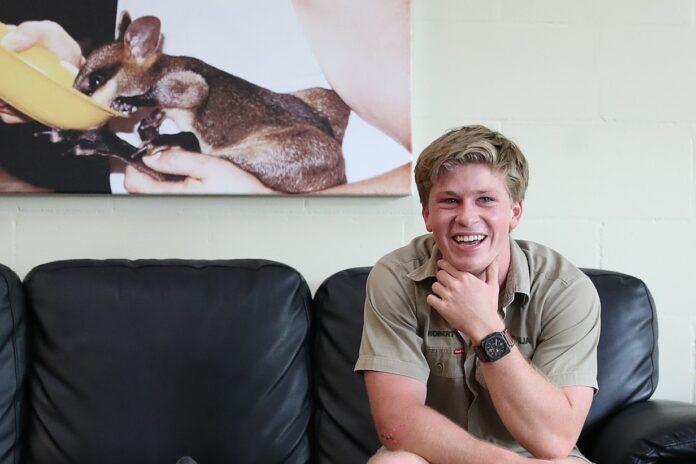
Conservationist and TV personality Robert Irwin says he is honoured and grateful to have a new species of snail named after him.
The 20-year-old from the Sunshine Coast had his name attached to figuladra robertirwini, to be commonly known as Robert Irwin’s banded snail.
The Australia Zoo zookeeper took to social media to announce the news to his millions of followers.
“I’ve got some really exciting news: a brand new species of snail that has just been discovered has been named after me,” he said, before displaying a photo of the gastropod.
“Have a look at him: isn’t he cute?
“What an honour … it means a lot.
“This is particularly meaningful for me because so much of my environmental work is based around habitat preservation and, even though this is a new species, we already know habitat destruction is one of the leading threats to this species.
Do you have an opinion to share? Submit a Letter to the Editor at Sunshine Coast News via news@sunshinecoastnews.com.au. You must include your name and suburb.
“I’m passionate about not only protecting big species like koalas, crocodiles and kangaroos, but also smaller animals.
“I love snails and they’re in need of our protection. These little legends are so cool and are a very important part of the ecosystem.”
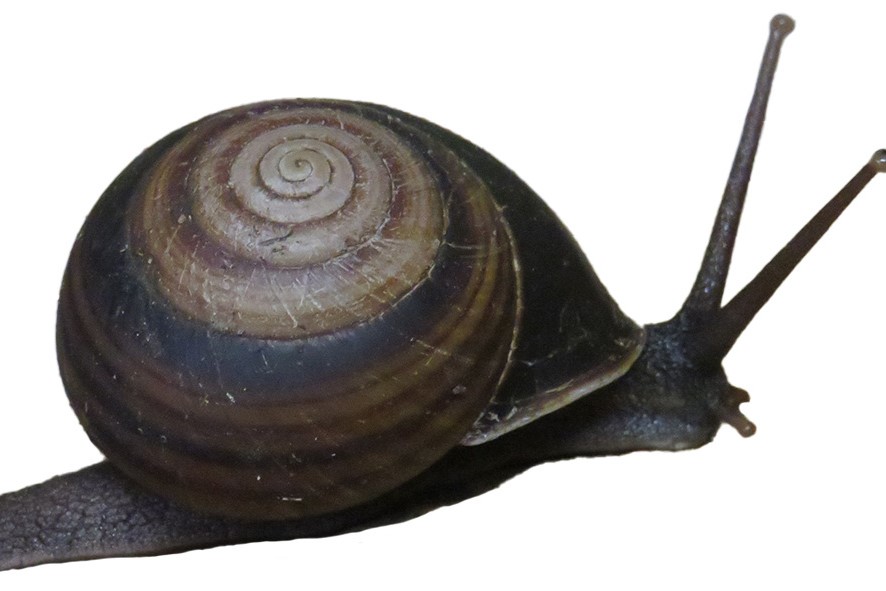
He thanked the scientists involved, before signing off with “snails rule”.
The snail was one of four newly discovered snail species.
Others were the seaforth banded snail and dundowran banded snail, both named after early Queensland settlers.
Another species, the bundaberg banded snail, is colloquially known as the “suitcase snail” because scientists found large numbers in a discarded suitcase.
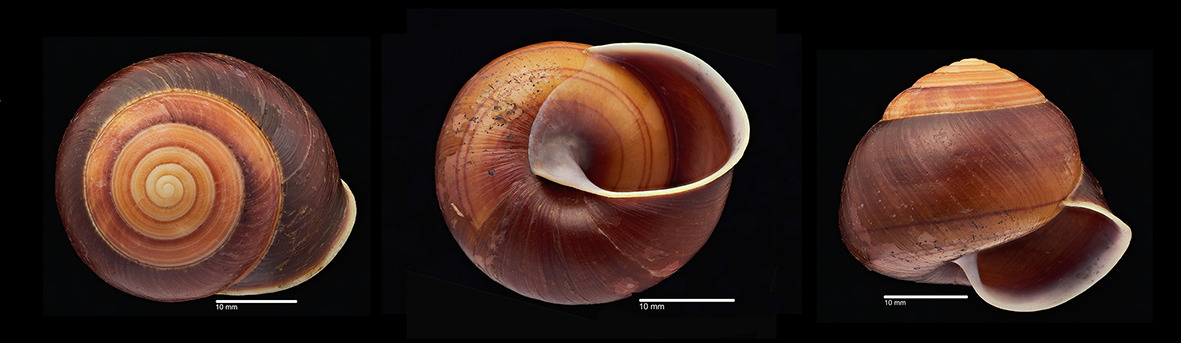
The snails are among 15 species of the figuladra group identified by Queensland Museum scientists.
This group of snails is found in dry vine thicket between the Mary River in southeast Queensland, as far north as the O’Connell River, near Proserpine.
They have been a source of confusion for scientists over the past four decades, with shells used as the primary identification tool.
The latest study instead used 270 dissections of snail reproductive structures and DNA analysis for more accurate identification of the species.
Queensland Museum’s Lorelle Stanisic said snails were important indicators of the health of their habitat, calling for conservation efforts for the creatures.
“Land snails generally coexist with other invertebrates and the destruction of their habitat affects what I would consider the hidden engine room of our forests,” she said.
“Land snail conservation should be a high priority.”
Dr Stanisic undertook the DNA analysis alongside John Stanisic and the Australian Museum’s Frank Kohler.
Their findings have been published in the journal Molluscan Research.
Subscribe to our FREE daily news feed. All it requires is your name and email at the bottom of this article.