
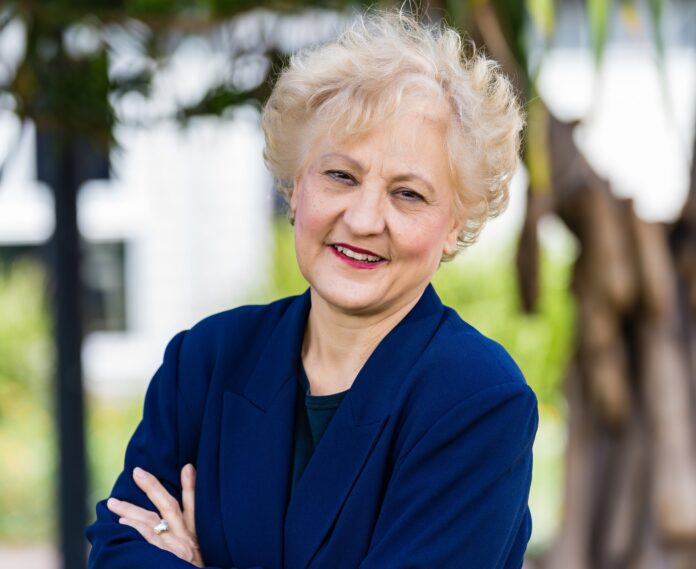
A renowned University of the Sunshine Coast environmental microbiologist has called for a global ban on glitter.
Associate Professor Ipek Kurtboke has called for an end to the tiny sparkles adorning decorations, gifts, crafts and much more during the holiday season.
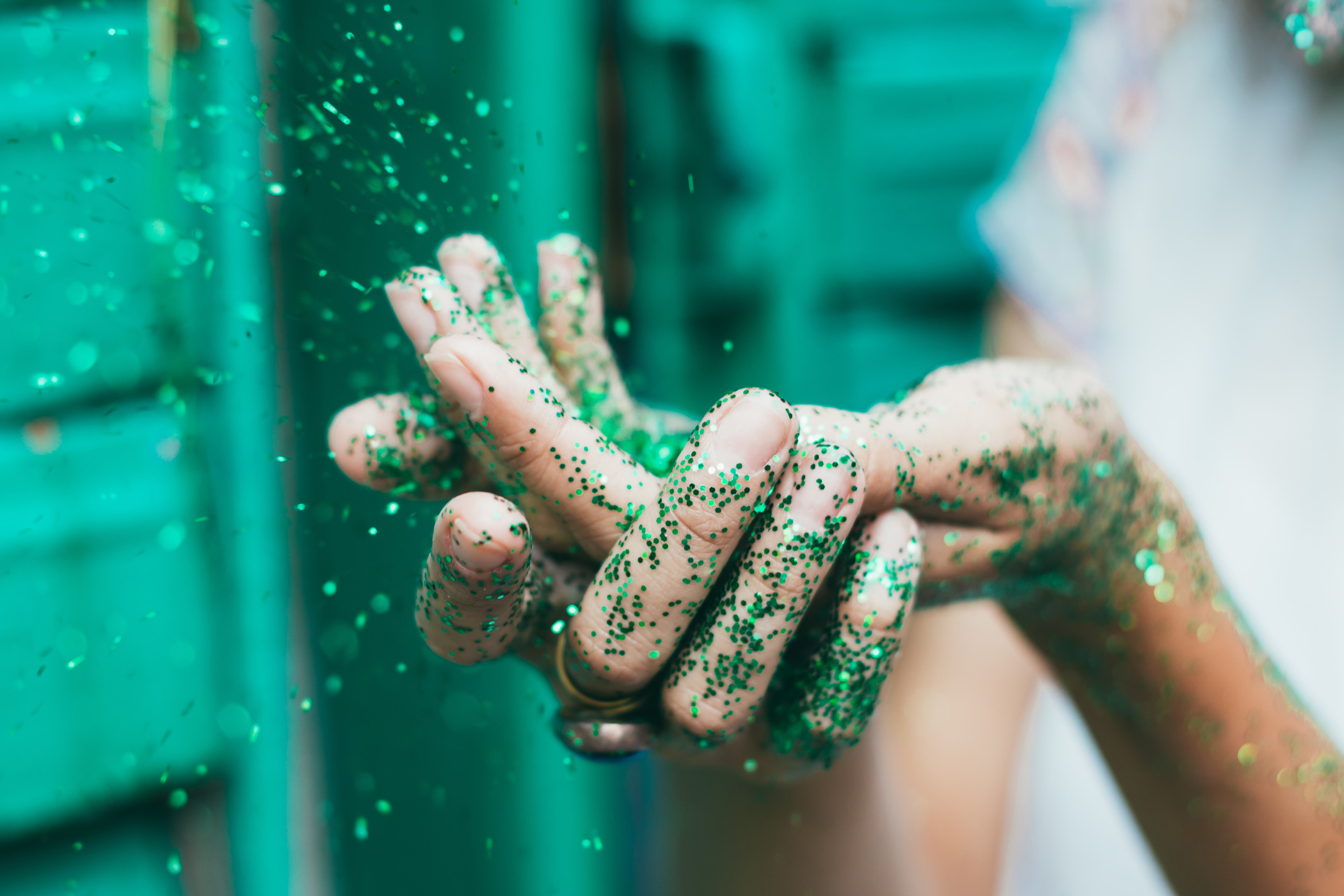
She was prompted to speak out when she was coated in glitter after handling products during a shopping trip to buy presents.
“I was covered in it,” she said.
“Even after I got home, it was very difficult to remove from my hands and clothes.
“Glitter is termed ‘microplastics in disguise’.
“In October, it was banned in the European Union and Australia should immediately review the sale of these imported particles, given their potential effects on the health of our environment.”
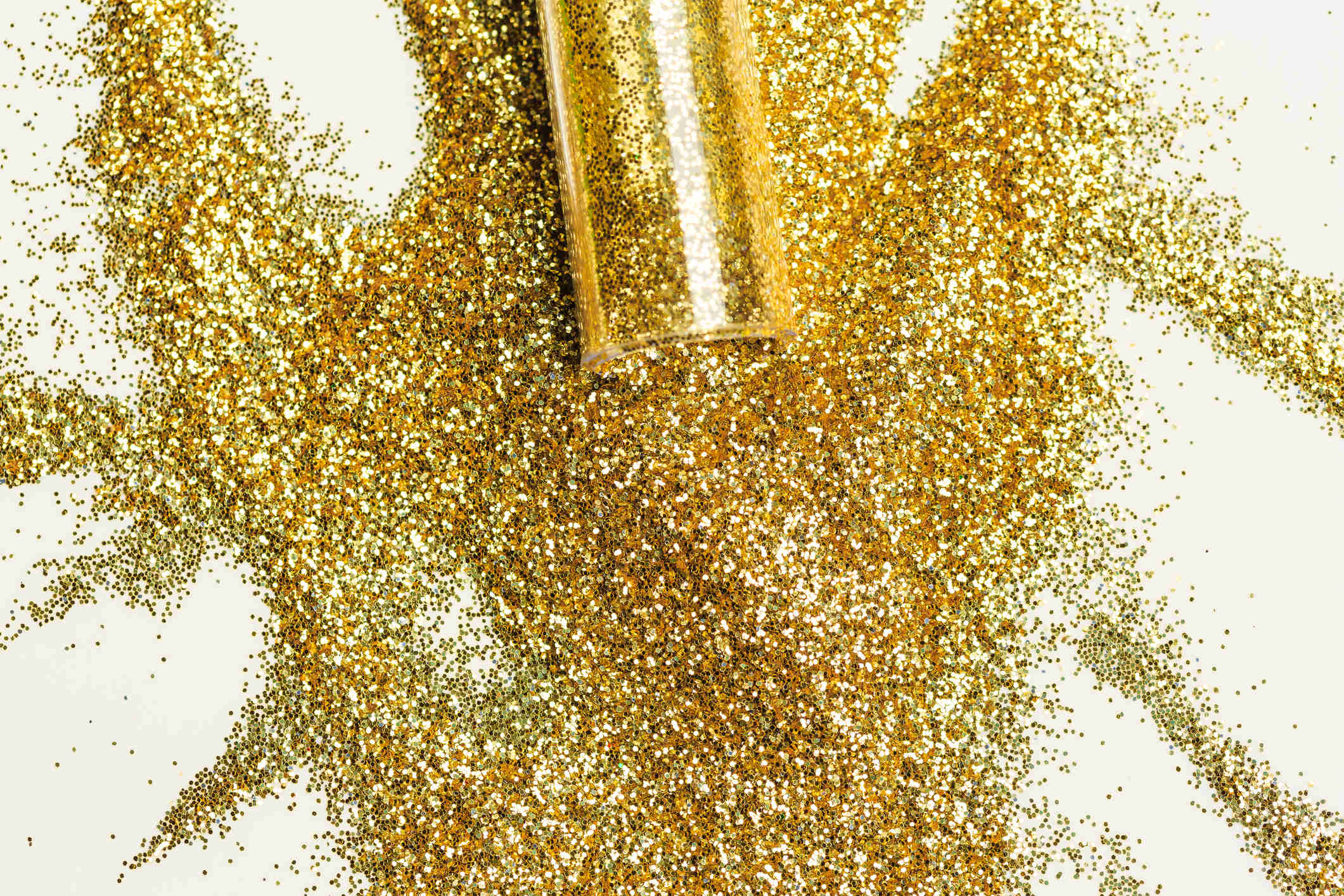
Dr Kurtboke said glitter was made of common plastics coated with synthetic materials to make the particles reflective.
“Like many other pollutants, glitter does not break down naturally and there is no mechanism to get rid of it once it is in our environment – on the land and in our waterways,” she said.
Do you have an opinion to share? Submit a Letter to the Editor at Sunshine Coast News via news@sunshinecoastnews.com.au. You must include your name and suburb.
“Because of its small size, wastewater treatment systems cannot filter it out and very large volumes end up in the oceans.
“There is overwhelming evidence on the threat it poses to aquatic life through ingestion, contact with its toxic ingredients and physical injury.
“In addition, pollutants like glitter can also attract microorganisms which gather at contaminated locations to degrade pollutants.”
Her team has been investigating these micro-organisms on Sunshine Coast beaches since 2003.
Dr Kurtboke said recent research indicated that even bio-glitter (made of biodegradable compounds) had potential problems.
“There are no safe alternatives,” she said.
“This glitter appears to be mostly composed of biodegradable cellulose, which can detrimentally impact marine organisms, reduce chlorophyll levels in water and impact microalgae.”
While her own research does not target glitter, she and her PhD students have been investigating the effects of microplastic contamination on tiny macrofauna living on Australia’s sandy beaches, such as crabs, worms and bugs.
Dr Kurtboke is the editor of a new book on bacteria in marine and extreme environments, with her research also informing several chapters.
It discusses new environmental sources of antibiotics and other therapeutic and biotechnologically important compounds.
She is currently president of the World Federation of Culture Collections and chair of the editorial board of Microbiology Australia.