
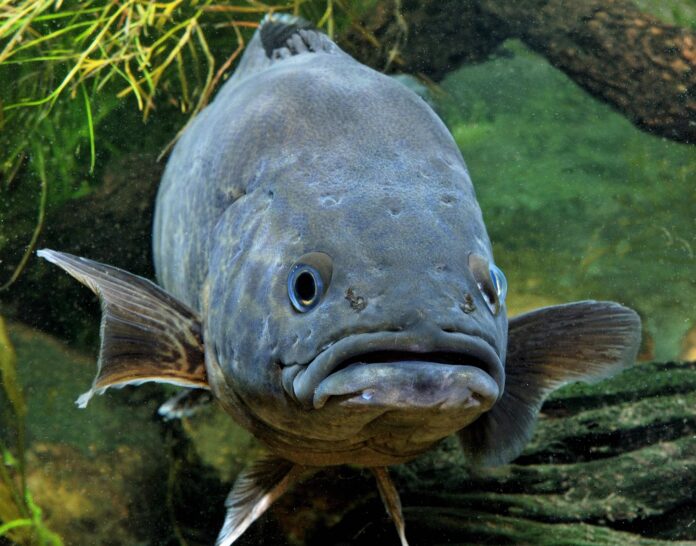
A three-month closed season for fishing in the Mary River and tributaries has begun, to protect the endangered Mary River cod during its breeding season.
Closed season means a ban on all fishing during August, September and October.
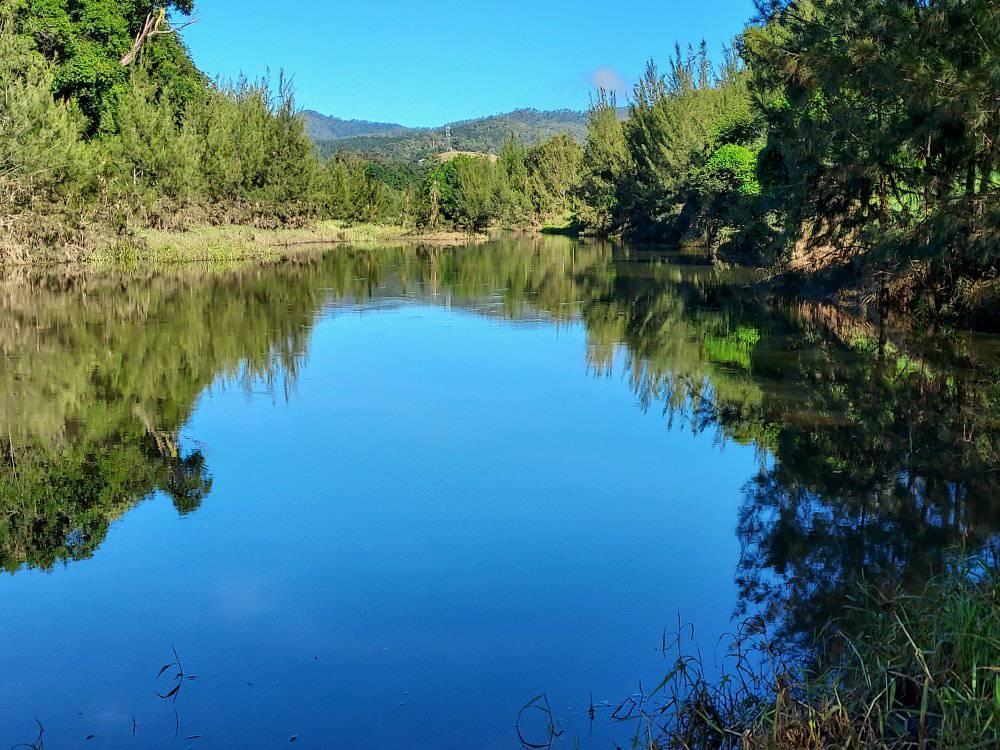
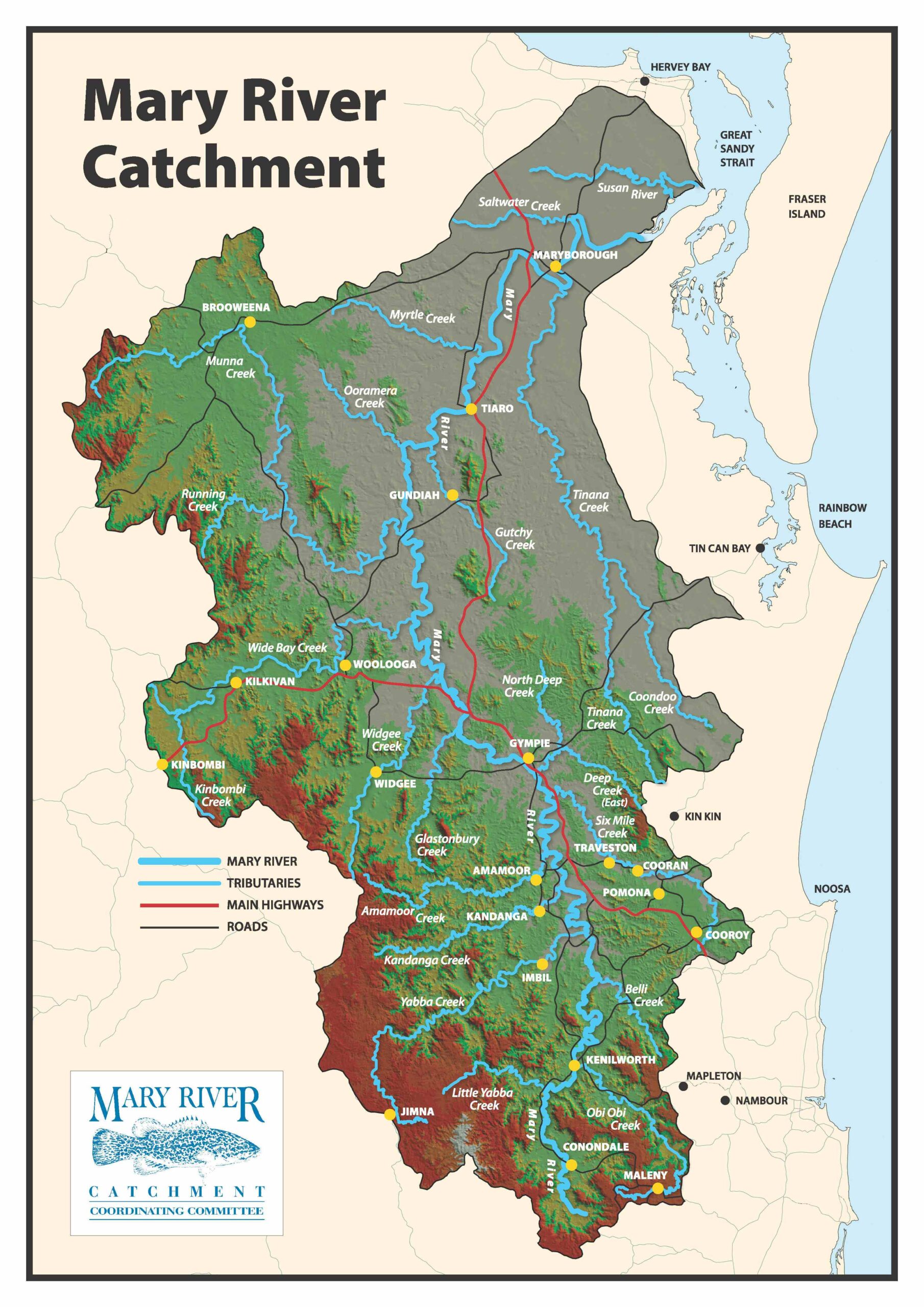
The ban applies to the Mary River upstream of Gympie and its tributaries, including Six Mile Creek, Amamoor Creek, Kandanga Creek, Yabba Creek, Little Yabba Creek, Belli Creek and Obi Obi Creek.
The ban coincides with the breeding season for the endangered Mary River cod and is specifically implemented to give the population of the species a chance to recover.
Mary River Catchment Coordinating Committee chairman Ian Mackay said a closed season was essential for the recovery of the Mary River cod and that fisheries patrols would be enforcing it.
“It is a well-recognised strategy to ensure fish for the future or, in this case, help a species come back from the brink,” he said.
“We would like to think that, while penalties might be a deterrent, responsible anglers will understand the reasoning and comply with the closed season.
“We’d particularly ask that proprietors of river and creek-side campgrounds bring the closed season to the attention of their patrons who may have come from outside the area and be unaware of it.”
The Mary River cod’s reproductive behaviour makes it particularly vulnerable during these three months as it is the male that defensively guards the eggs, while continuously fanning water over them to keep them oxygenated.
A MRCCC spokesperson said that in the past, anyone dangling a line in the vicinity of a male on egg-tending duties was more than likely to hook one.
“When a male is removed from his well-tended eggs, egg mortality is high – in even a short time,” the spokesperson said.
“The unsuspecting angler, taking time to unhook his catch, and maybe pose for the apparently obligatory picture, may well have consigned several thousand young cod to oblivion.
“This does not augur well for the species’ survival, and given that a population study estimated that there were as few as 600 Mary River cod still living in the Mary … any such loss is significant.”
There are hefty penalties for even being in possession of a fishing rod in the regions described.
The Department of Agriculture and Fisheries website says “a person must not possess or use a fishing line from August 1 to October 31 in the Mary River and adjoining waterways upstream of its junction with Six Mile Creek, near Gympie.”
The only exceptions to this in the Mary River catchment are Baroon Pocket Dam, Borumba Dam and Lake Macdonald, which are stocked impoundments and where fishing can take place during the closed season. However, a Stocked Impoundment Permit is required.
Anyone seen fishing in the prescribed area during the closed season should be reported to the 24-hour Fishwatch hotline on 1800 017 116. Providing a vehicle registration, if possible, may help fisheries officers when investigating.
Help us deliver more news by registering for our FREE daily news feed. All it requires is your name and email at the bottom of this article.